
Nepal’s 4G User Base Surpasses 26 Million as Mobile Broadband Adoption Continues to Expand
Nepal’s 4G subscriber base has exceeded 26 million users, underscoring the continued growth of mobile broadband adoption and the increasing…

Technology News and insights in the Middle East, South Asia, and Africa
Technology News and insights in the Middle East, South Asia, and Africa










Nepal’s 4G subscriber base has exceeded 26 million users, underscoring the continued growth of mobile broadband adoption and the increasing…

Arab Bank’s fintech accelerator AB Xelerate has partnered with Fuze to explore regulated digital asset services in Jordan. The collaboration will evaluate use cases, product design, and technical integration through Jordan’s regulatory sandbox, supporting the country’s digital finance ecosystem.

Omantel has invested over RO 500 million in digital infrastructure over six years, expanding from a telecom operator into a regional technology group. The company’s 5G leadership, submarine cable connectivity, and national data centres are positioning Oman as a regional digital hub and strengthening its digital sovereignty.

Dubai, United Arab Emirates, August, 19, 2025: Omnix International, a leader in digital transformation and innovative technology solutions, announces a…

stc Kuwait secures ISO 45001:2018 and ISO 37301:2021 certifications, setting new benchmarks in occupational health, safety, and compliance. These achievements affirm stc’s dedication to corporate governance, employee welfare, and regulatory adherence, underpinning its leadership role in Kuwait’s telecom sector.

Morocco has launched the “AI Made in Morocco” initiative to develop locally designed technological solutions for Industry X.0 and healthcare. As part of the Digital Morocco 2030 Strategy, the government also established the Al-Jazari Institute of Industry X.0 to foster collaboration between universities and industry. The plan seeks to position Morocco as a regional digital hub and capture a share of the projected $4.8 trillion global AI market.
The UAE’s Telecommunications and Digital Government Regulatory Authority (TDRA) has introduced a new regulatory framework for drone communications, strengthening oversight…
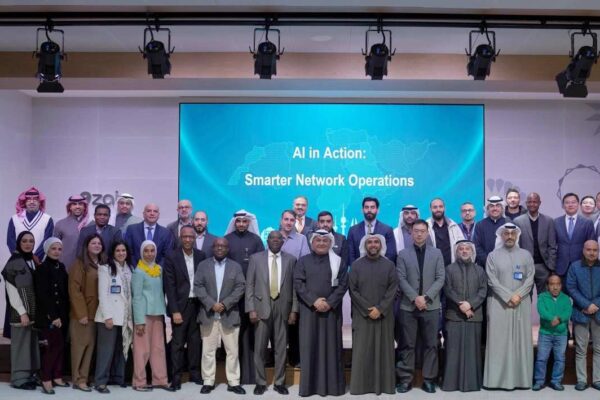
Through these initiatives, Zain continues to advance AI-driven automation across network and commercial operations, positioning artificial intelligence as a central component of its long-term technology and digital transformation strategy.

Pakistan’s mobile phone imports declined significantly by over 16% in the first eleven months of FY25, with a steep drop recorded in May 2025. However, overall merchandise exports showed positive growth of 5.15%, while total imports increased by 7.5%, indicating broader trade dynamics beyond the mobile sector.
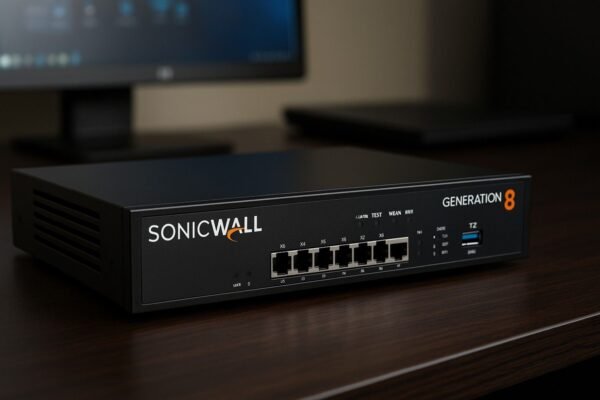
SonicWall’s Generation 8 launch delivers nine new firewalls combining unified management, embedded Zero Trust, co-managed services, and a $200K cyber warranty.