




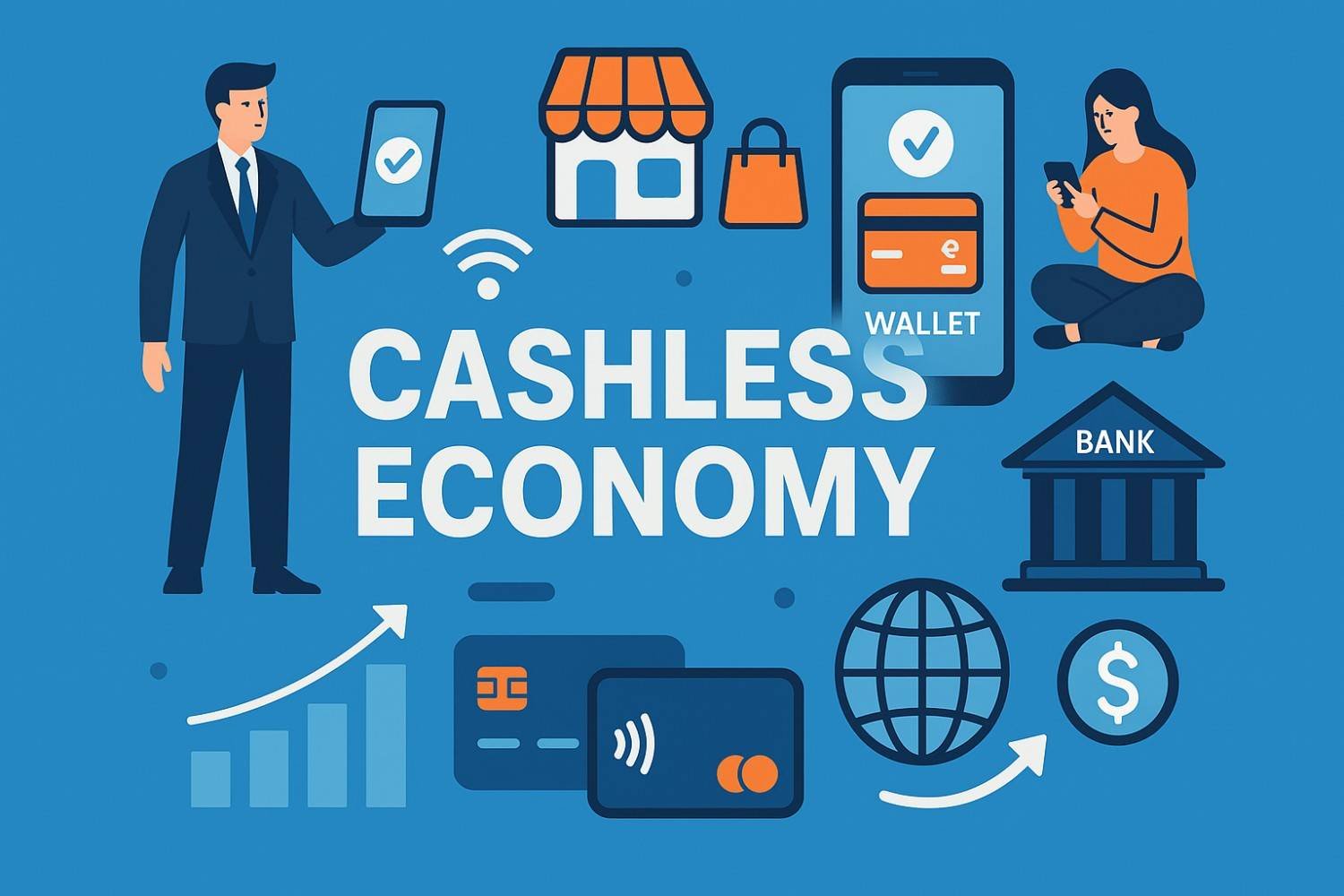
ISLAMABAD: Prime Minister-led committees promoting a cashless economy have set ambitious national goals for the State Bank of Pakistan (SBP), designed to accelerate digital financial adoption and reduce reliance on cash.
Key targets under the PM’s Cashless Economy Initiative include:
- Expanding the number of active digital merchants to 2 million by 2025-26.
- Growing mobile and internet banking users from 95 million to 120 million within a year.
- Doubling digital payment transactions to 15 billion annually.
- Routing 100% of overseas remittances through bank accounts or mobile wallets, up from the current 80%, to improve transparency and reduce cash payouts.
The SBP will lead efforts to extend mobile banking services nationwide, with a focus on financial inclusion across all demographics.
Minister for IT and Telecom Shaza Fatima noted that Pakistan’s 143 million broadband users present a strong base for digital payments. She highlighted that mobile wallets now outnumber traditional bank accounts, though only Jazz and Telenor have developed strong platforms.
Easypaisa, launched in 2009 as Pakistan’s first mobile wallet, has evolved into the country’s first digital bank, serving 18 million monthly active users (14m via mobile app). JazzCash, launched in 2012, leads the market with 21 million active users (15m via app), offering services such as nano loans, savings, insurance, and welfare disbursements.
While JazzCash dominates rural markets, Easypaisa retains strength in urban centers despite speculation following the Telenor-PTCL merger. Meanwhile, Ufone’s Upaisa has limited reach, and Zong has yet to introduce a mobile wallet.
Digital wallets, linked directly to mobile numbers and supported by shopkeeper agents, remain the backbone of Pakistan’s financial inclusion drive. Policymakers believe meeting these ambitious goals will not only modernize payments but also align remittance flows, business operations, and consumer behavior with the demands of a fully digital economy.