









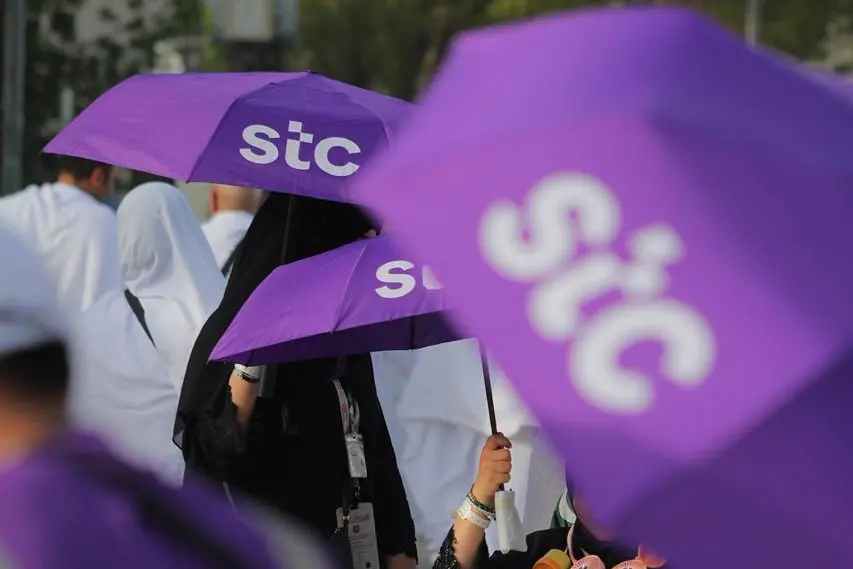
stc Group successfully managed a record surge in digital traffic on Arafah Day, highlighting the critical role of advanced telecommunications infrastructure, network resilience, and real-time operational management during one of the busiest periods of the Hajj season.
The achievement underscores Saudi Arabia’s growing ability to support massive connectivity demands generated by millions of pilgrims relying on mobile communications, digital services, navigation platforms, and online applications throughout the pilgrimage journey.
The performance also reflects the Kingdom’s broader investments in next-generation telecom infrastructure, AI-powered network operations, and digital transformation initiatives under Vision 2030.
Hajj Continues to Test Telecom Networks at Massive Scale
Arafah Day represents one of the most demanding operational periods for telecommunications providers due to the concentration of pilgrims within a limited geographic area and the simultaneous use of digital services.
Modern pilgrims increasingly depend on video communications, messaging applications, digital permits, navigation tools, mobile payments, and live content sharing, significantly increasing network traffic volumes.
To meet these demands, telecom operators deploy advanced network optimization technologies, additional mobile sites, fiber infrastructure, and intelligent traffic management systems designed to maintain service quality during peak periods.
The successful handling of record traffic levels demonstrates the growing maturity of Saudi Arabia’s telecommunications ecosystem.
Advanced Infrastructure and AI Drive Network Performance
Telecommunications operators are increasingly using artificial intelligence, predictive analytics, and automated network management systems to monitor performance and optimize capacity in real time.
stc Group has continued investing in 5G infrastructure, fiber networks, cloud technologies, and intelligent operational platforms to enhance network resilience and user experience.
AI-driven systems can identify congestion patterns, predict network stress points, and automatically allocate resources to maintain stable connectivity under extreme demand conditions.
These capabilities are becoming increasingly important as digital service usage continues to grow across large-scale public events and smart city environments.
Saudi Arabia Strengthens Leadership in Digital Infrastructure
The Kingdom has emerged as one of the region’s leading markets for telecommunications modernization and digital infrastructure development.
Hajj operations increasingly serve as a real-world showcase for the deployment of advanced connectivity technologies, smart operational systems, and AI-enabled infrastructure management.
The ability to support record traffic volumes during Arafah Day reflects years of investment in network expansion, digital resilience, and integrated technology ecosystems.
As Saudi Arabia advances its Vision 2030 agenda, telecommunications infrastructure continues to play a central role in supporting economic diversification, digital services, and future smart infrastructure initiatives.
Editor’s Note
The future of telecommunications is increasingly defined by the ability to manage extreme-scale connectivity environments. Saudi Arabia’s success in handling record digital traffic during Arafah Day demonstrates how investments in 5G, AI-powered network operations, and resilient digital infrastructure are enabling telecom operators to support some of the world’s most demanding real-time connectivity challenges.