








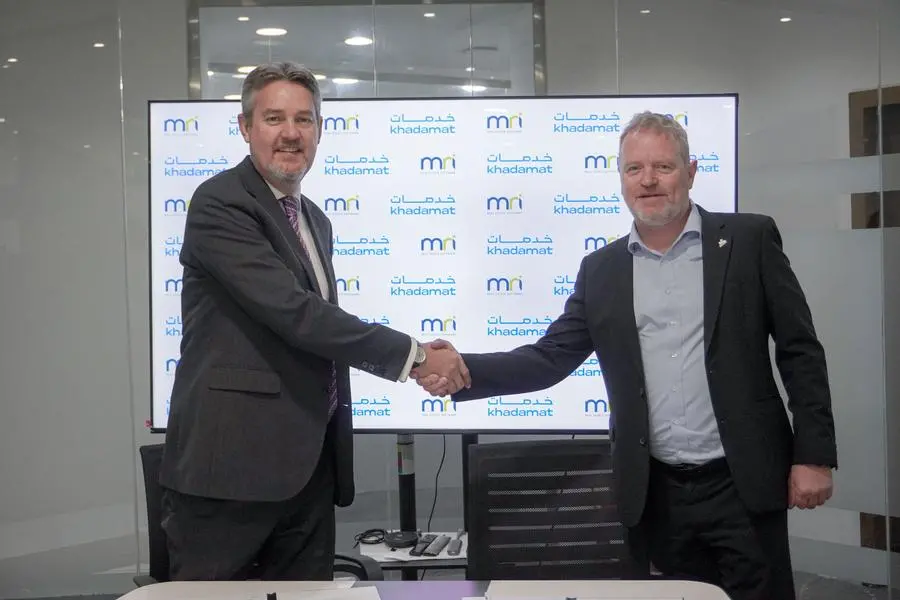
Khadamat has selected MRI Software to support its facilities management operations through a cloud-based platform, reinforcing the growing adoption of digital technologies within the UAE’s real estate, infrastructure, and property services sectors.
The deployment is designed to modernize facilities management processes by improving operational visibility, streamlining workflows, and enabling data-driven decision-making across Khadamat’s portfolio of managed assets. The move reflects a broader trend across the Gulf region, where organizations are increasingly leveraging cloud platforms to enhance efficiency, optimize resource allocation, and support large-scale property operations.
Facilities management has become an increasingly technology-driven discipline as building owners and service providers seek to improve operational performance while reducing costs. Cloud-based platforms are enabling organizations to manage maintenance activities, workforce scheduling, asset performance, compliance requirements, and service delivery through integrated digital environments.
For Khadamat, the implementation of MRI Software’s platform is expected to support greater operational agility by centralizing information and providing real-time access to critical facilities management data. This can help improve service responsiveness, enhance maintenance planning, and support more efficient management of complex property portfolios.
The adoption comes as the UAE continues to expand investments in commercial, residential, hospitality, and mixed-use developments. As property portfolios grow in size and complexity, facilities management providers are under increasing pressure to maintain service quality while improving operational efficiency and sustainability outcomes.
Cloud technologies are playing a central role in this transformation. By moving operational systems to cloud environments, organizations can access scalable computing resources, improve collaboration across teams, and gain deeper visibility into performance metrics. Cloud-based facilities management platforms also support integration with emerging technologies such as Internet of Things (IoT) sensors, predictive maintenance systems, and advanced analytics tools.
The deployment reflects a broader digitalization trend within the real estate sector. Property owners and operators are increasingly adopting smart building technologies, automated workflows, and data-driven management systems to improve tenant experiences, reduce operational costs, and optimize asset performance throughout the building lifecycle.
Facilities management is also becoming an important contributor to sustainability initiatives. Digital platforms can help organizations monitor energy consumption, improve maintenance efficiency, reduce resource waste, and support environmental performance objectives. These capabilities are becoming increasingly valuable as businesses and governments pursue sustainability and carbon reduction goals.
The partnership between Khadamat and MRI Software highlights how technology providers and facilities management specialists are working together to modernize operational environments and support the growing demand for intelligent building management solutions across the UAE.
Editor’s Note
The significance of this deployment extends beyond facilities management software. It reflects the ongoing digital transformation of the built environment, where buildings are increasingly managed as data-rich operational assets rather than purely physical structures.
Across the Gulf, real estate and infrastructure sectors are embracing cloud computing, IoT, artificial intelligence, and analytics to improve how properties are operated and maintained. This shift is creating smarter, more efficient environments capable of delivering better experiences for tenants, occupants, and property owners.
For the UAE, the adoption of cloud-based facilities management platforms aligns with broader ambitions around smart cities, digital infrastructure, and sustainable urban development. Efficient management of buildings and public infrastructure is becoming a critical component of long-term economic competitiveness and quality-of-life strategies.
The initiative also highlights the growing role of operational technology within digital transformation programmes. While much attention is given to customer-facing applications and enterprise systems, technologies that improve day-to-day operational performance often generate significant business value through cost savings, productivity improvements, and asset optimization.
Another important dimension is the relationship between cloud adoption and future AI deployment. Facilities management platforms generate large volumes of operational data that can eventually support predictive maintenance, automated service management, energy optimization, and intelligent resource planning. Cloud-based environments provide the foundation necessary for these advanced capabilities.
From a digital economy perspective, the modernization of facilities management demonstrates how traditional industries are increasingly becoming technology-driven. Real estate, property services, and infrastructure management are evolving into data-centric sectors where operational intelligence is a key differentiator.
As smart buildings and connected infrastructure become more prevalent across the region, organizations that invest in cloud-enabled operational platforms will be better positioned to improve efficiency, support sustainability goals, and unlock the long-term value of digital transformation.