








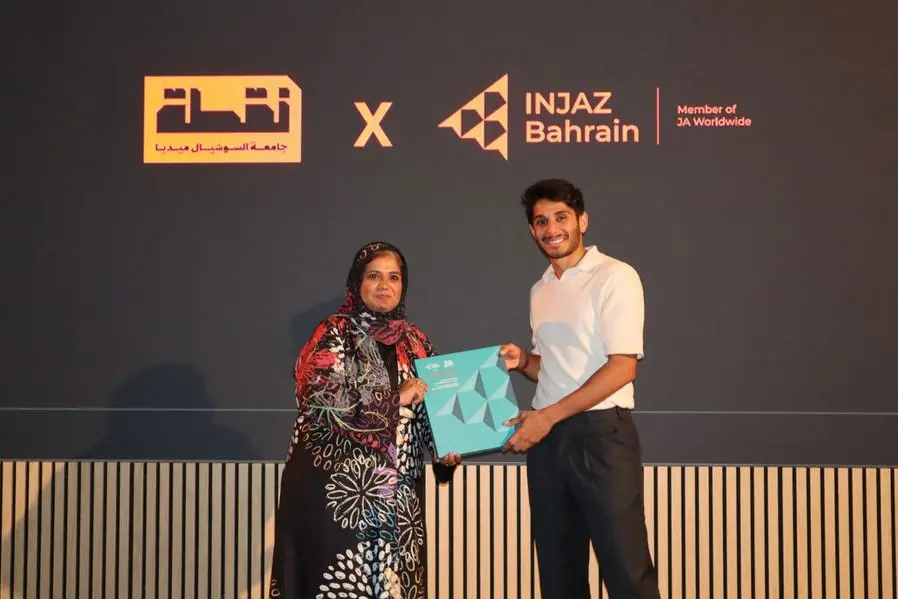
INJAZ Bahrain and Noqta have concluded a digital content creation bootcamp aimed at equipping young people with practical skills for the creator economy, digital entrepreneurship, and the evolving demands of the digital workforce.
The programme brought together participants to develop capabilities in content creation, digital storytelling, audience engagement, and online brand building, reflecting the growing importance of digital skills in modern labor markets. As social media platforms, digital commerce, and creator-led businesses continue to expand, content creation is increasingly being recognized as a viable career path and entrepreneurial opportunity.
The initiative aligns with broader efforts across Bahrain and the Gulf region to prepare young people for a technology-driven economy where digital literacy, creativity, and communication skills are becoming increasingly valuable. Governments, educational institutions, and private sector organizations are investing in programmes designed to help youth participate more effectively in emerging digital industries.
Content creation has evolved significantly in recent years. What was once viewed primarily as a marketing function is now a major component of the digital economy, supporting industries such as media, advertising, e-commerce, education, entertainment, tourism, and personal branding. Digital creators increasingly operate as entrepreneurs, building audiences, generating revenue, and influencing consumer behavior across multiple platforms.
The bootcamp focused on practical skills that can help participants navigate this changing landscape. Digital storytelling, video production, content strategy, platform optimization, and audience engagement have become important competencies for professionals across a wide range of sectors, not just those pursuing careers in media.
The programme also reflects the growing role of digital skills development in workforce readiness strategies. As technology reshapes employment markets, employers are placing greater emphasis on skills related to digital communication, creativity, adaptability, and online engagement. These capabilities complement technical competencies and are increasingly relevant across both traditional and emerging industries.
For Bahrain, initiatives that strengthen digital capabilities among young people support broader economic objectives related to innovation, entrepreneurship, and diversification. The country has invested in digital transformation, startup development, and skills enhancement programmes designed to create opportunities for the next generation of professionals.
The rise of the creator economy is creating new forms of employment and business activity globally. Content creators, influencers, educators, consultants, and entrepreneurs are leveraging digital platforms to reach audiences, build communities, and generate income through a variety of monetization models. As a result, content creation skills are becoming increasingly relevant within the broader digital economy.
Partnerships between organizations such as INJAZ Bahrain and Noqta demonstrate how public, private, and community stakeholders are working together to develop practical skills that align with changing workforce requirements and emerging economic opportunities.
Editor’s Note
This bootcamp highlights a trend that is often overlooked in discussions about digital transformation: the creator economy is becoming a legitimate pillar of workforce development and economic participation.
Much of the focus on digital skills tends to center on coding, artificial intelligence, cybersecurity, and software development. While these remain critical areas, the ability to create, communicate, and engage audiences through digital channels is also becoming an increasingly valuable economic skill.
For younger generations, content creation is no longer limited to social media influence. It is evolving into a broader professional capability that supports marketing, education, commerce, entrepreneurship, and personal brand development. Businesses across sectors increasingly rely on digital storytelling and audience engagement to connect with customers and differentiate themselves in crowded markets.
The initiative also reflects a broader shift in employment patterns. Digital platforms have lowered barriers to entry for entrepreneurship, allowing individuals to create businesses, educational services, media brands, and commercial ventures with relatively limited capital. This is creating new opportunities for youth participation in the economy.
For Bahrain and other Gulf economies, developing these capabilities supports wider goals related to innovation, diversification, and digital competitiveness. As economies become more digital, success will depend not only on technological infrastructure but also on the ability of individuals to create value through digital channels.
The broader significance of programmes such as this lies in their contribution to workforce adaptability. The future labor market will increasingly reward individuals who can combine technical knowledge with creativity, communication, and digital engagement skills. Initiatives that help young people develop these competencies are therefore contributing to a more resilient and future-ready workforce.
As the creator economy continues to expand globally, content creation skills are likely to become an increasingly important component of digital literacy, entrepreneurship, and economic participation across the Middle East and beyond.