








Digital booking platforms are playing an increasingly important role in boosting tourism activity in Oman’s Dhofar Governorate, helping travelers access accommodation, transportation and tourism services more efficiently while supporting the region’s broader tourism development goals.
The growing adoption of online booking channels is contributing to increased visitor activity across Dhofar, one of Oman’s most prominent tourism destinations, particularly during the annual Khareef season when the region attracts large numbers of domestic and international tourists.
Industry stakeholders report that digital platforms are improving the visibility of tourism offerings while making it easier for visitors to plan and manage their travel experiences. The shift reflects changing consumer preferences, with travelers increasingly relying on mobile applications and online marketplaces to research destinations, compare options and complete bookings.
The expansion of digital booking services aligns with Oman’s wider efforts to modernize its tourism sector through technology adoption and enhanced visitor experiences. Tourism has been identified as a key pillar of economic diversification under Oman Vision 2040, prompting investments in infrastructure, destination development and digital transformation initiatives.
For tourism operators, digital platforms provide access to broader customer bases and new marketing opportunities. Hotels, tour operators, transport providers and hospitality businesses can leverage online channels to improve occupancy rates, optimize pricing and engage directly with potential visitors.
The increasing use of digital booking tools is also generating valuable data that can help tourism authorities and businesses better understand visitor behavior, demand patterns and service preferences. These insights can support more effective planning and destination management strategies.
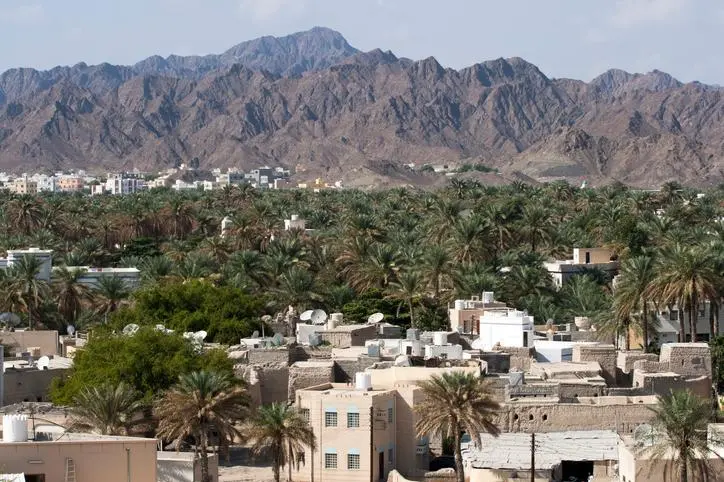
Dhofar has become one of Oman’s most significant tourism regions, attracting visitors with its unique seasonal climate, natural landscapes and cultural attractions. The annual Khareef season, characterized by cooler temperatures and lush greenery, has become a major driver of tourism activity and economic growth in the governorate.
As digital adoption accelerates, tourism ecosystems are becoming increasingly interconnected. Travelers now expect seamless digital experiences spanning destination discovery, accommodation booking, transportation arrangements and payment services. This trend is encouraging tourism stakeholders to invest in integrated digital capabilities that improve convenience and customer satisfaction.
The role of technology in tourism is expanding beyond reservations and transactions. Artificial intelligence, data analytics and personalized recommendation engines are increasingly being deployed to enhance visitor engagement and create more tailored travel experiences.
For Oman, strengthening digital tourism capabilities supports broader objectives around attracting visitors, improving competitiveness and maximizing the economic contribution of the tourism sector. Digital platforms can also help smaller tourism operators reach international audiences that may have previously been difficult to access.
Why This Matters
Digital platforms are becoming essential infrastructure for modern tourism economies. Their ability to connect travelers with tourism services quickly and efficiently can improve visitor experiences while creating new growth opportunities for local businesses.
For destinations such as Dhofar, increased digital engagement can enhance tourism visibility, support visitor growth and contribute to regional economic development. For tourism operators, digital booking channels provide access to broader markets and more data-driven business models.
Editor’s Note
The growth of digital booking platforms in Dhofar illustrates how tourism competitiveness is increasingly shaped by digital experiences as much as physical attractions. Destinations that make it easier for travelers to discover, book and manage their journeys are often better positioned to capture growing tourism demand. As Gulf countries continue investing in tourism as a driver of economic diversification, digital platforms will play an increasingly important role in connecting visitors to destinations and supporting the evolution of smarter, more data-driven tourism ecosystems.