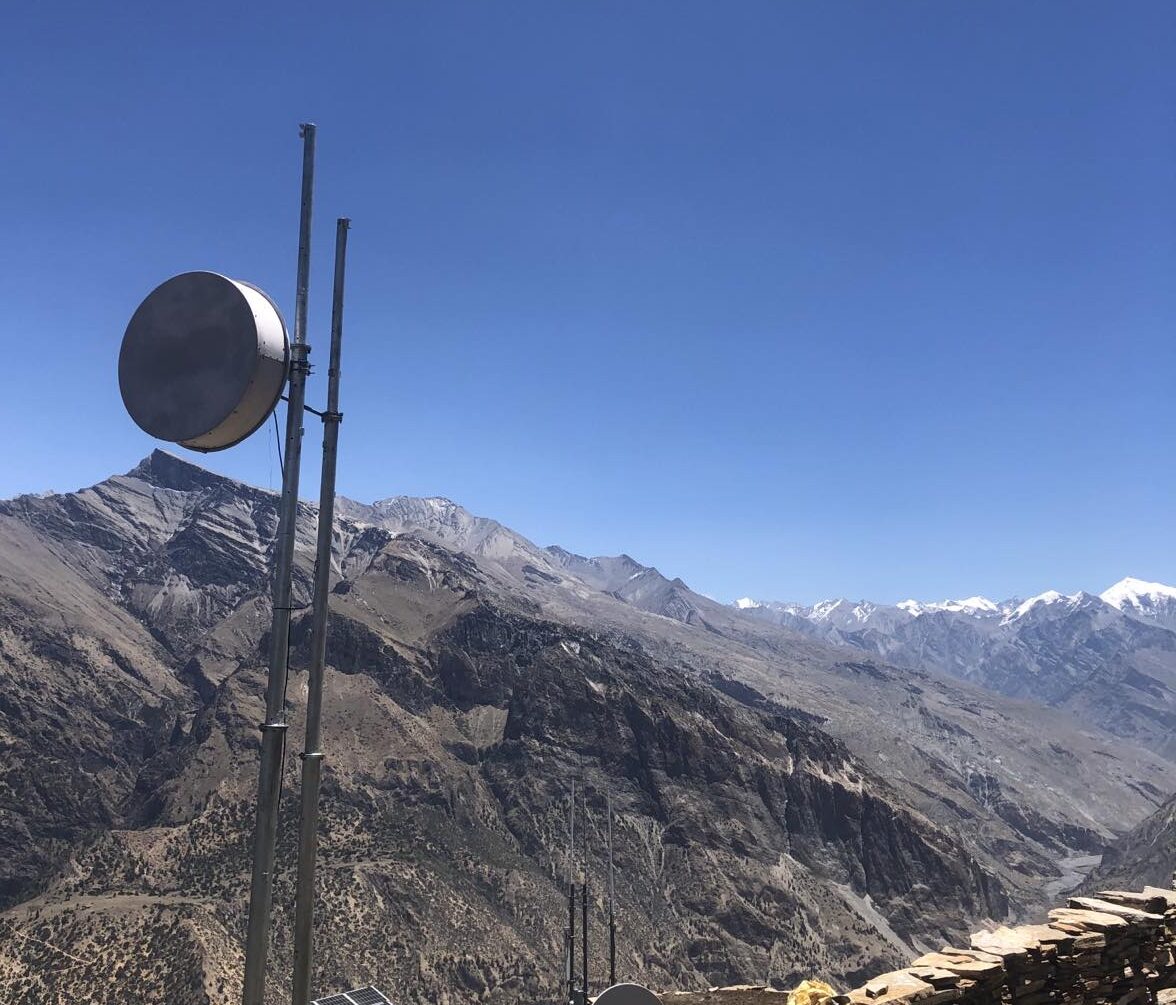










Nepal Telecom has launched 4G mobile services at Murmatap, a popular tourist destination overlooking Rara Lake, extending high-speed mobile connectivity to one of Nepal’s most scenic and remote locations while supporting tourism and digital inclusion.
The deployment improves mobile broadband access for residents, businesses and visitors in the region, reinforcing Nepal Telecom’s ongoing efforts to expand nationwide connectivity and bridge the digital divide between urban and remote communities.
The rollout reflects the growing recognition that reliable telecommunications infrastructure is essential not only for economic development but also for tourism, public safety and access to digital services.
Extending 4G Beyond Urban Centers
Expanding mobile broadband into remote regions has become a priority for operators seeking to deliver more inclusive digital access.
Deployments in mountainous and rural areas help connect communities that have historically faced limited telecommunications coverage, enabling greater participation in the digital economy.
For visitors, improved connectivity enhances travel experiences through access to navigation, digital payments, emergency communications and online travel services.
For local communities, mobile broadband supports education, healthcare, government services and small business development.
Digital Infrastructure Supports Tourism
Tourism destinations increasingly depend on high-quality digital connectivity.
Travelers expect reliable mobile internet for sharing content, booking services, accessing maps and communicating throughout their journeys.
For tourism operators, better connectivity enables digital marketing, online reservations, cashless payments and improved customer engagement.
The expansion of 4G services at Murmatap strengthens the digital infrastructure supporting one of Nepal’s most visited natural attractions while improving the destination’s overall accessibility.
Bridging Nepal’s Digital Divide
Nepal continues investing in telecommunications infrastructure to improve nationwide connectivity and reduce disparities between urban and rural areas.
Expanding 4G coverage supports broader national objectives related to digital inclusion, economic development and equitable access to information and communications technologies.
Reliable mobile broadband also strengthens resilience by improving emergency communications and enabling faster coordination during natural disasters or public safety incidents in remote regions.
As network coverage expands, more communities can benefit from digital public services and online economic opportunities.
Preparing for Future Digital Growth
While 4G remains the primary mobile broadband platform across much of Nepal, continued network expansion lays the groundwork for future digital services and eventual next-generation network evolution.
Improved connectivity creates opportunities for cloud-based applications, digital education, telemedicine and smart tourism initiatives that depend on reliable broadband access.
Telecommunications operators are increasingly viewing rural coverage not only as a social responsibility but also as a long-term investment in national digital development.
The latest rollout reflects Nepal Telecom’s continued commitment to expanding modern communications infrastructure across the country.
Why This Matters
Extending mobile broadband to remote destinations strengthens digital inclusion while supporting tourism, local economic development and access to essential digital services. High-quality connectivity is increasingly becoming a core component of sustainable tourism infrastructure.
For Nepal Telecom, the launch of 4G services at Murmatap overlooking Rara Lake reinforces its nationwide network expansion strategy. For Nepal, the deployment demonstrates continued progress toward building a more connected and digitally inclusive economy where even remote destinations benefit from modern telecommunications infrastructure.
Editor’s Note
Universal connectivity is becoming a defining measure of digital transformation. Expanding high-speed mobile services to remote tourism destinations demonstrates that telecommunications infrastructure now serves multiple roles, supporting economic development, tourism competitiveness, public safety and digital inclusion simultaneously. Nepal Telecom’s latest deployment illustrates how extending broadband beyond cities helps unlock new opportunities for communities and businesses while ensuring that the benefits of the digital economy reach every corner of the country. As digital services continue to evolve, comprehensive nationwide connectivity will remain fundamental to inclusive and sustainable growth.