





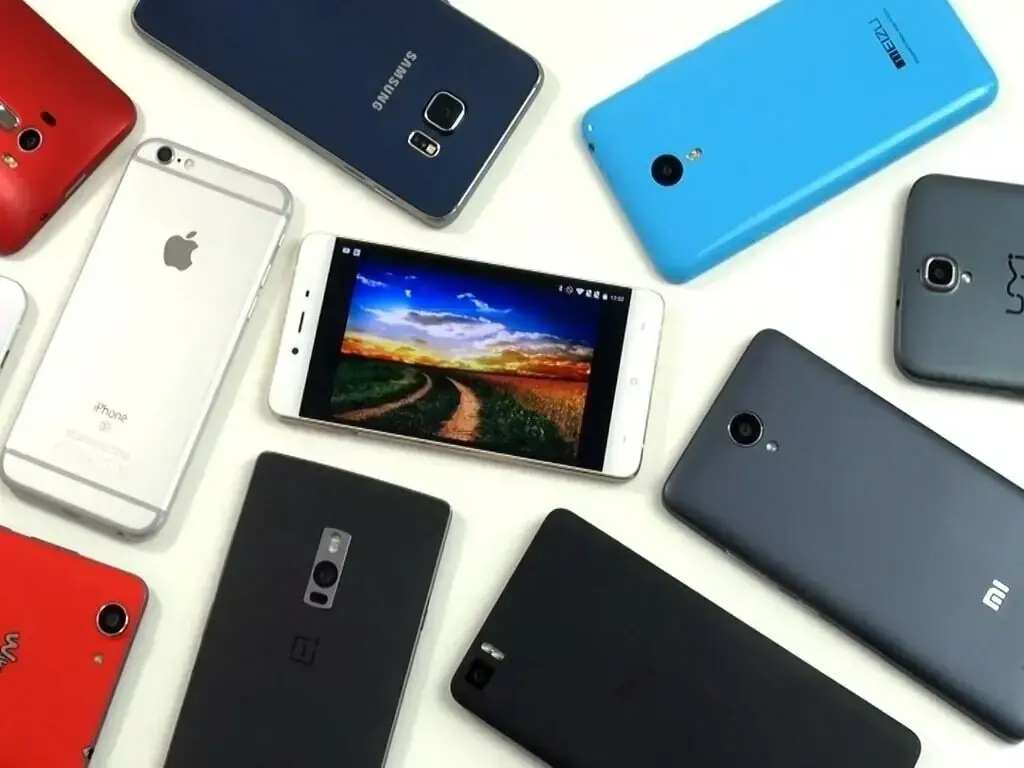
Pakistan’s mobile phone imports rebounded strongly in fiscal year 2025-26, rising 26.55 percent year-on-year to USD 1.889 billion, according to official trade data. The increase marks a sharp recovery from the previous fiscal year, when imports had declined by more than 21 percent amid economic pressures and import restrictions.
In local currency, mobile phone imports reached Rs 530.492 billion, up 27.24 percent from Rs 416.937 billion recorded in FY2024-25. The growth highlights improving market demand as consumer spending gradually recovers and smartphone adoption continues to expand across the country.
The latest figures also point to sustained momentum in Pakistan’s broader telecommunications sector, with telecom imports climbing alongside increased investment in mobile connectivity and digital services.
Telecom Imports Reflect Growing Digital Infrastructure Demand
Beyond mobile devices, Pakistan’s overall telecom imports reached USD 2.690 billion during FY2025-26, representing a 27.97 percent increase from USD 2.102 billion in the previous fiscal year.
The rise suggests continued investment in telecommunications equipment, network infrastructure and consumer devices as operators expand capacity to support rising mobile data consumption and prepare for future technologies, including 5G.
Growing telecom imports also reflect the increasing importance of digital infrastructure in supporting Pakistan’s digital economy, enterprise connectivity and online services.
Local Manufacturing Continues to Dominate the Handset Market
Despite the increase in imports, Pakistan’s domestic mobile phone manufacturing and assembly industry remains the primary source of devices entering the local market.
During the first five months of calendar year 2026, local manufacturing and assembly plants produced 11.17 million mobile phones, compared with 1.91 million commercially imported handsets over the same period.
Of the locally assembled devices, 4.92 million were smartphones, while 6.25 million were 2G feature phones, demonstrating continued demand across multiple consumer segments.
The strong output builds on an impressive 30.21 million locally manufactured or assembled handsets during calendar year 2025, significantly exceeding the 2.37 million imported devices recorded during the same period.
Smartphone Adoption Continues to Expand
Pakistan’s smartphone ecosystem continues to mature, supported by increasing local production and wider consumer adoption.
According to Pakistan Telecommunication Authority (PTA) data, 72.3 percent of mobile devices currently operating on Pakistani networks are smartphones, while 27.7 percent remain 2G devices.
The continued migration toward smartphones is expected to drive greater usage of digital financial services, e-commerce, cloud-based applications and online government services, strengthening the country’s broader digital transformation agenda.
However, the pace of 5G-ready device production remains relatively modest. Local manufacturers assembled 101,005 5G-enabled smartphones in May 2026, highlighting that while consumer readiness is improving, widespread 5G adoption will also depend on future spectrum allocation and commercial network deployments.
Monthly Imports Show Continued Market Recovery
Monthly trade figures indicate that demand remained resilient through the end of the fiscal year.
Mobile phone imports reached USD 141.556 million in June 2026, an increase of 11.88 percent compared with USD 126.527 million in May 2026.
On an annual basis, June imports were 2.62 percent higher than the USD 137.941 million recorded in June 2025, suggesting steady consumer demand despite broader economic challenges.
Why This Matters
The recovery in mobile phone imports, coupled with sustained domestic manufacturing, reflects improving confidence in Pakistan’s mobile market and continued growth in digital connectivity. Increased smartphone availability supports wider adoption of digital banking, e-commerce, cloud services and online public services, all of which are essential components of the country’s digital economy.
At the same time, the dominance of local handset assembly demonstrates the success of policies aimed at strengthening domestic manufacturing while reducing dependence on imported finished devices. As Pakistan moves closer to future 5G deployment, both handset availability and continued investment in telecom infrastructure will play a critical role in enabling next-generation digital services.
Editor’s Note
Pakistan’s mobile ecosystem is entering a more mature phase where growth is increasingly driven by smartphone penetration, local manufacturing and expanding digital services rather than basic mobile adoption. The rebound in handset imports signals renewed consumer demand, while the country’s strong local assembly capacity provides resilience against external supply chain disruptions. Looking ahead, the next phase of market growth will depend on accelerating the transition from 2G devices to smartphones, expanding affordable 5G-capable handsets and investing in network infrastructure that can support AI-powered applications, cloud services and the country’s long-term digital economy ambitions.