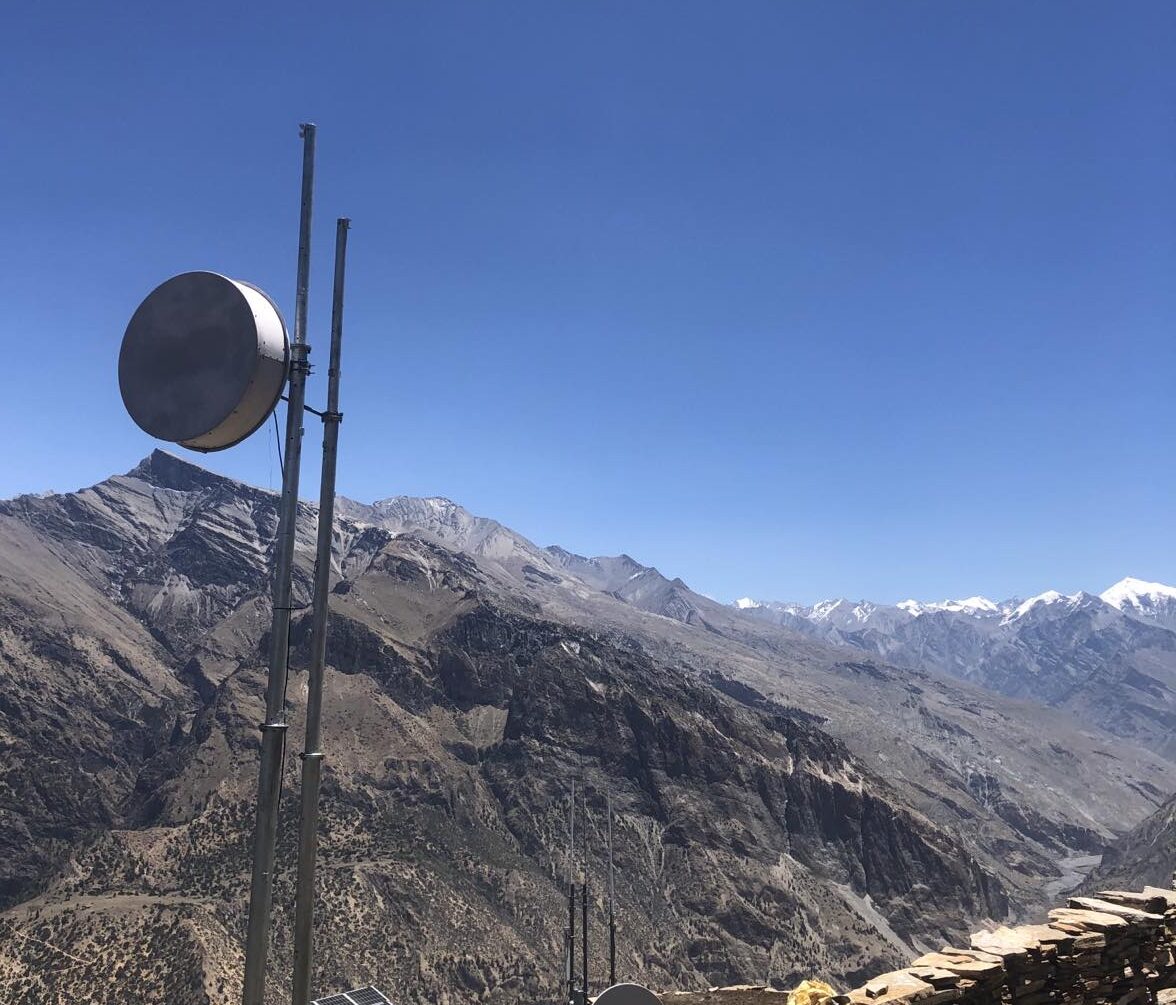









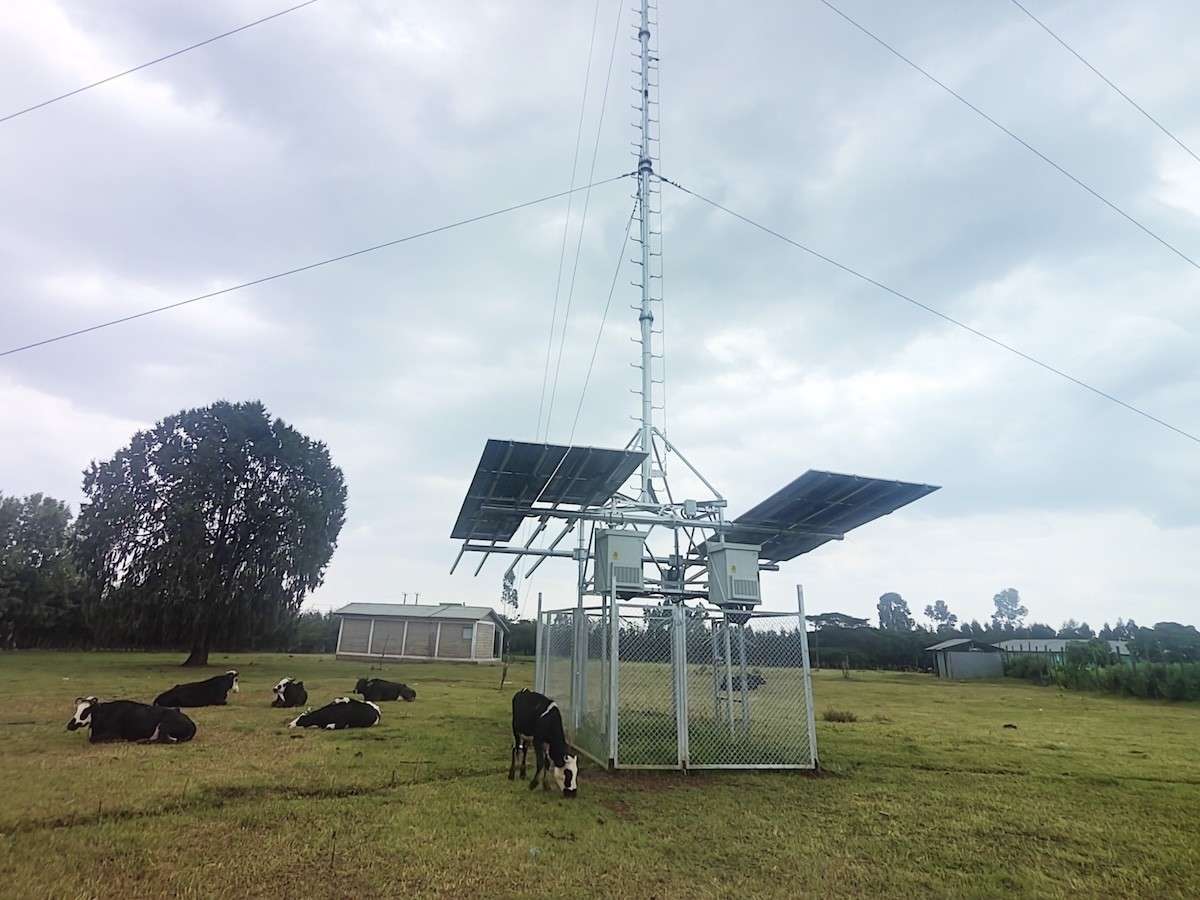
Ethio Telecom and ZTE have completed the deployment of 152 new rural base stations across remote regions of Ethiopia, extending 2G, 3G and 4G coverage to more than one million people in underserved communities.
The rollout uses ZTE’s modular Rural Ecosystem solution, which combines EcoSite low-power multi-band outdoor base stations, microwave backhaul, EcoEnergy solar-powered systems with lithium batteries, and the EcoDevice module offering affordable devices such as smartphones, CPEs and MiFi units. This integrated design improves connectivity while lowering operational and energy costs for rural deployments.
ZTE applied a Lego-style modular tower construction approach that reduced site-build costs by 80% and shortened deployment timelines by 75% compared to traditional methods. Meanwhile, Ethio Telecom used ZTE’s iEPMS 4.0 and intelligent tools like Netmax to optimize construction, operations and network performance.
As of September 2025, the joint network now covers more than 100 low-density areas, enabling digital services such as e-learning, remote healthcare and the widely used Telebirr mobile payments system. The project has also developed local technical capacity by training hundreds of engineers and technicians.
Ethio Telecom reported 86.1 million subscribers as of October 2025, including over 47 million mobile broadband users. Mobile coverage now reaches 99.4% of the population, while 4G availability has risen from 37.5% in 2024 to 70.8% in 2025. Telebirr continues rapid growth with more than 57.59 million users.
Despite strong revenue and subscriber expansion in FY2025, an audit revealed a 70% drop in net profit due to foreign exchange losses. CEO Frehiwot Tamiru has set an ambitious target to nearly double annual revenue by the end of FY2026, supported by ongoing network growth and rising data usage.