









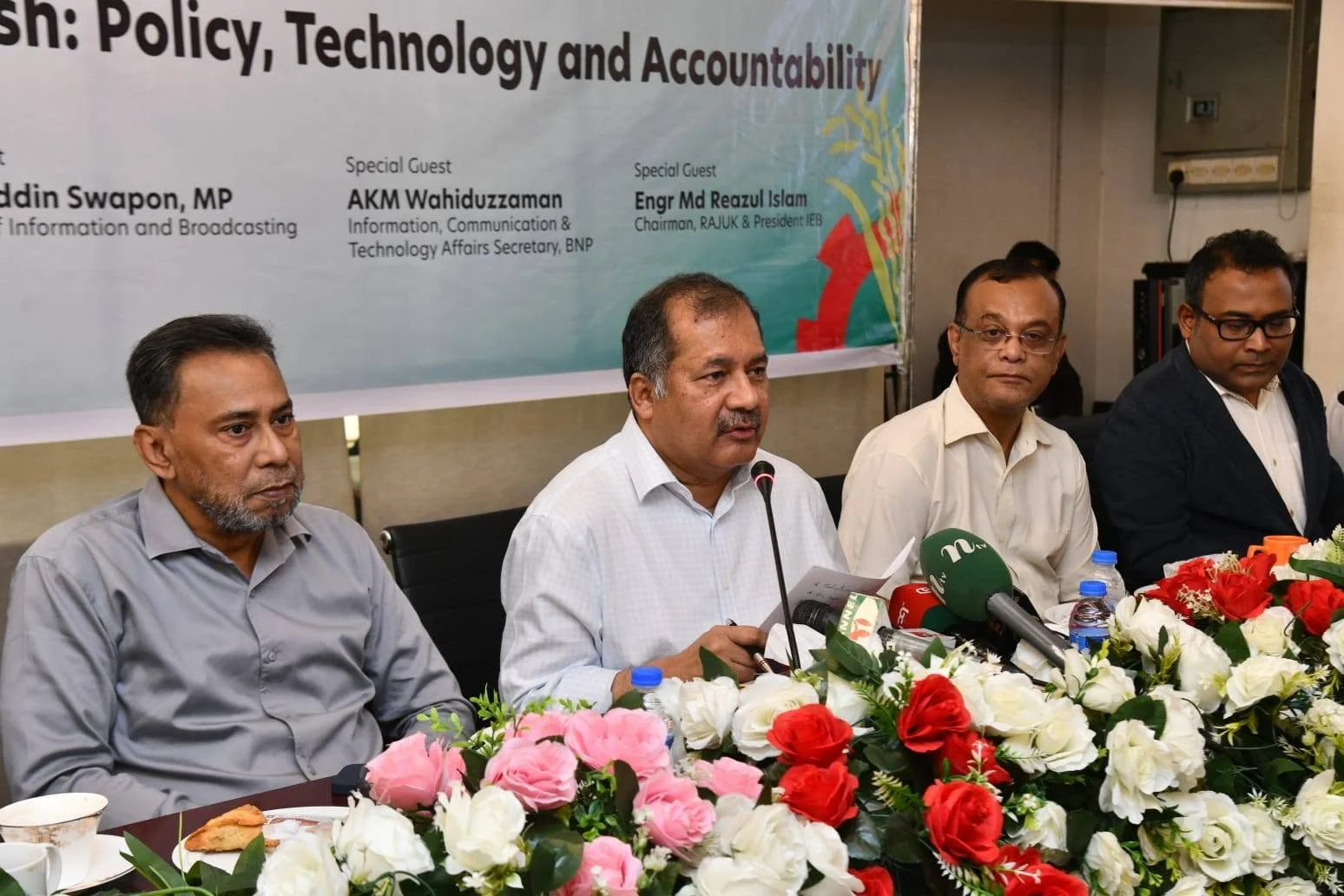
Bangladesh is moving to strengthen its response to misinformation, online safety challenges, and broader digital risks, with the Ministry of Information and Broadcasting calling for the development of a draft national action plan aimed at tackling fake news and safeguarding the country’s evolving digital ecosystem.
The initiative reflects growing concerns among governments worldwide about the societal, economic, and security implications of misinformation, particularly as digital platforms, social media networks, and AI-powered content generation tools continue to expand their influence. As Bangladesh advances its digital transformation agenda, policymakers are increasingly focused on ensuring that digital growth is accompanied by mechanisms that protect information integrity and public trust.
According to officials, the proposed action plan will seek to address the spread of false information while examining a wider range of digital threats that can affect citizens, institutions, businesses, and public confidence in digital platforms. The effort forms part of broader discussions around responsible digital governance and the creation of a safer online environment.
The challenge of misinformation has become increasingly complex in recent years. The rapid growth of social media platforms, messaging applications, and AI-generated content has significantly accelerated the speed at which information can be created, shared, and amplified. While these technologies have expanded access to information and enhanced digital participation, they have also introduced new risks related to misinformation, manipulation, fraud, and online harm.
For Bangladesh, the issue carries particular significance as internet penetration, smartphone adoption, digital payments, e-commerce activity, and online public services continue to expand. A trusted digital environment is increasingly important for sustaining economic growth, supporting digital commerce, and encouraging greater participation in online services.
The development of a national action plan could help establish a coordinated framework involving government agencies, technology platforms, media organizations, educational institutions, and civil society stakeholders. Such frameworks are increasingly being adopted globally to improve digital literacy, strengthen fact-checking capabilities, enhance cybersecurity awareness, and promote responsible online behavior.
Beyond misinformation, governments are also confronting a wider range of digital risks, including cyber fraud, identity theft, online scams, deepfake content, data privacy concerns, and the misuse of emerging technologies. As artificial intelligence becomes more accessible, the challenge of distinguishing between authentic and manipulated content is expected to become more significant for both policymakers and the public.
Bangladesh has been investing heavily in digital infrastructure and digital government initiatives as part of its broader economic modernization efforts. Maintaining confidence in digital platforms and online services will be critical to ensuring that these investments deliver long-term economic and social benefits.
The proposed action plan therefore represents more than a media or communications initiative. It forms part of a broader effort to strengthen digital resilience and create an environment where innovation, connectivity, and digital participation can continue to grow while minimizing associated risks.
Editor’s Note
This development reflects a global shift in how governments view misinformation and digital risk management. What was once considered primarily a media challenge is increasingly being treated as a matter of digital infrastructure, national resilience, and economic stability.
As countries digitize government services, expand digital payments, promote e-commerce, and deploy AI technologies, trust becomes a critical component of the digital economy. Citizens and businesses are far more likely to embrace digital platforms when they have confidence in the integrity of information and the security of online environments.
For Bangladesh, the timing is particularly relevant. The country has emerged as one of South Asia’s fastest-growing digital economies, with significant investments in connectivity, fintech, digital government, and technology-enabled services. However, the benefits of these investments can be undermined if misinformation, fraud, and online manipulation erode public trust.
The initiative also highlights the growing intersection between AI governance and information integrity. The rise of generative AI, synthetic media, and deepfake technologies is forcing governments worldwide to rethink traditional approaches to online regulation and digital literacy. Future digital strategies will increasingly need to balance innovation with safeguards that protect users from emerging threats.
Ultimately, the countries that succeed in building trusted digital ecosystems will gain an advantage in attracting investment, accelerating digital adoption, and supporting long-term economic growth. Addressing misinformation and digital risks is therefore not only a governance issue but also a strategic component of national digital transformation and competitiveness.