









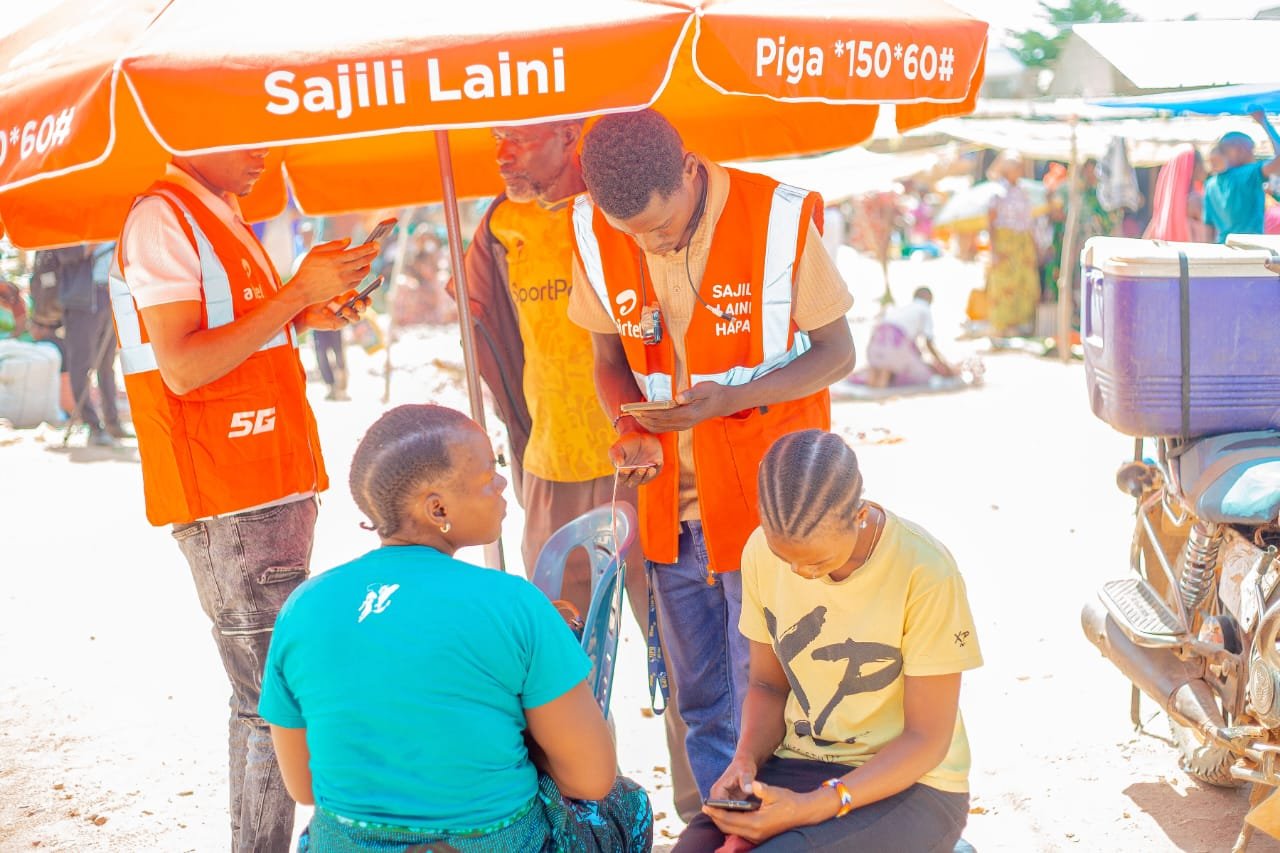
Airtel Tanzania is extending high-speed mobile broadband access to thousands of previously underserved residents through the deployment of grid-powered 4G towers, supporting both digital inclusion and more sustainable network expansion in rural communities.
The initiative highlights the continuing importance of mobile infrastructure investment in bridging connectivity gaps across Africa, where mobile networks remain the primary gateway to digital services for millions of people.
By leveraging grid-powered infrastructure, Airtel is improving network coverage while reducing dependence on diesel-powered energy systems that have traditionally been used to support telecommunications sites in remote locations. The approach not only lowers operational costs but also contributes to more sustainable network operations and reduced environmental impact.
The expansion is expected to provide communities with access to faster and more reliable internet services, enabling greater participation in digital activities including online education, mobile financial services, e-commerce, digital government platforms and healthcare applications.
Rural connectivity remains one of the biggest challenges facing digital transformation efforts across Africa. While urban centers have benefited from substantial investments in broadband infrastructure, many rural communities continue to experience limited access to high-speed connectivity. Telecommunications operators and governments are increasingly prioritizing rural network expansion as a key component of national digital inclusion strategies.
For Tanzania, improved rural broadband access supports broader economic and social development objectives. Connectivity can help create opportunities for entrepreneurship, improve access to information and enable participation in digital services that were previously difficult to reach.
Mobile broadband has become particularly important in markets where fixed broadband infrastructure remains limited. 4G networks provide a practical and scalable solution for extending internet access to geographically dispersed populations while supporting growing demand for data services.
The deployment also reflects a broader industry trend toward sustainable telecommunications infrastructure. Operators across Africa are exploring ways to reduce energy costs and carbon emissions while maintaining network reliability. Grid-connected sites, renewable energy systems and energy-efficient technologies are becoming increasingly important components of network modernization programs.
For Airtel, rural network expansion strengthens its ability to reach new customer segments while supporting national connectivity goals. Increased coverage can also stimulate demand for digital services, creating opportunities for growth in mobile data, fintech and digital platform usage.
Industry observers note that connectivity investments in rural areas often generate benefits that extend beyond telecommunications. Improved internet access can contribute to financial inclusion, educational opportunities, agricultural productivity and access to public services, helping create broader socio-economic impacts.
Why This Matters
Rural connectivity remains one of the most important drivers of digital inclusion across Africa. Extending 4G coverage enables communities to access digital services that support education, healthcare, financial inclusion and economic participation.
For operators, sustainable network deployment models can improve the economics of rural expansion while supporting environmental objectives. For governments, expanding broadband access is critical to ensuring that digital transformation benefits reach underserved populations.
Editor’s Note
The next phase of Africa’s digital transformation will be shaped not only by advanced technologies such as AI and cloud computing, but also by the ability to connect communities that remain underserved by digital infrastructure. Airtel’s deployment of grid-powered 4G towers demonstrates how connectivity expansion and sustainability can advance together. As countries seek to close digital divides, investments in rural broadband infrastructure will remain among the most impactful drivers of inclusive digital economy growth.