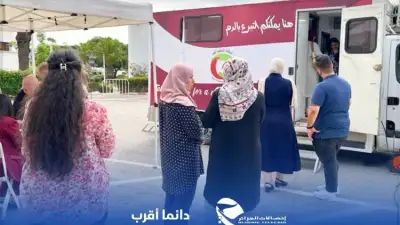









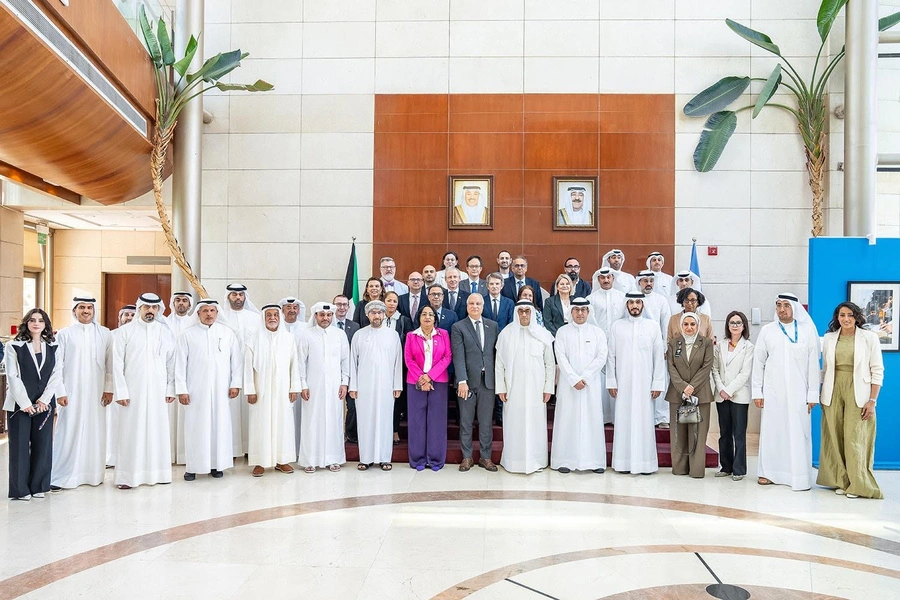
Zain Group and the United Nations High Commissioner for Refugees (UNHCR) have commemorated a decade of partnership, highlighting ten years of collaboration to support refugees and vulnerable communities through digital connectivity, humanitarian assistance and sustainable development initiatives.
The milestone reflects the growing role of telecommunications operators in humanitarian response, where mobile connectivity, digital services and financial support are becoming essential tools for improving access to education, healthcare, financial inclusion and emergency communications.
The partnership underscores how technology companies are increasingly contributing to global development objectives beyond their traditional commercial operations.
Connectivity Becomes a Humanitarian Lifeline
Access to reliable communications has become a critical component of humanitarian assistance.
For displaced populations, mobile connectivity enables refugees to communicate with family members, access essential information, receive digital cash assistance and connect with education and healthcare services.
Telecommunications operators are increasingly supporting humanitarian organizations by providing connectivity, digital platforms and technology expertise that improve the delivery of aid.
The decade-long collaboration between Zain and UNHCR illustrates how digital infrastructure can strengthen humanitarian resilience.
Public-Private Partnerships Drive Social Impact
Long-term partnerships between private sector organizations and international humanitarian agencies are becoming increasingly important in addressing complex global challenges.
By combining UNHCR’s humanitarian expertise with Zain’s regional telecommunications network and digital capabilities, the partnership has supported initiatives benefiting displaced communities across multiple markets.
Such collaborations demonstrate how technology companies can contribute to sustainable development while advancing broader environmental, social and governance (ESG) objectives.
Industry observers increasingly view digital inclusion as an essential element of humanitarian and development strategies.
Digital Technologies Support Refugee Inclusion
Digital solutions are transforming humanitarian operations through mobile connectivity, digital identity, online education, telemedicine and electronic financial assistance.
These technologies help improve operational efficiency while expanding access to services for vulnerable populations.
Telecommunications infrastructure also enables humanitarian agencies to communicate more effectively during emergencies and deliver support more quickly.
As digital transformation extends across humanitarian sectors, partnerships with technology providers are expected to play an increasingly important role.
Strengthening Corporate Social Responsibility
The anniversary reinforces Zain’s long-standing commitment to corporate sustainability and community development across the Middle East.
Beyond network services, telecommunications operators are expanding investments in digital inclusion, education, entrepreneurship, environmental sustainability and humanitarian initiatives.
These programs demonstrate how telecom companies are leveraging their infrastructure and regional presence to create broader social and economic value.
The continued partnership with UNHCR reflects the industry’s evolving role in supporting inclusive digital development.
Why This Matters
Digital connectivity has become an essential component of humanitarian assistance, enabling displaced populations to access critical services, information and financial support. Partnerships between telecommunications companies and humanitarian organizations help strengthen digital inclusion while improving the effectiveness of aid delivery.
For Zain, the 10-year partnership with UNHCR reinforces its commitment to social impact and sustainable development. For the wider telecommunications industry, it demonstrates how digital infrastructure can contribute to humanitarian resilience and inclusive development beyond traditional commercial services.
Editor’s Note
Telecommunications networks have become more than commercial infrastructure; they are increasingly part of the social infrastructure that supports communities during times of crisis. The decade-long partnership between Zain and UNHCR highlights how connectivity can improve humanitarian outcomes by enabling communication, education, financial inclusion and access to essential services. As digital technologies continue to reshape humanitarian response, collaborations between telecom operators and international organizations will play an increasingly important role in ensuring that vulnerable populations are not left behind in the global digital transformation.