








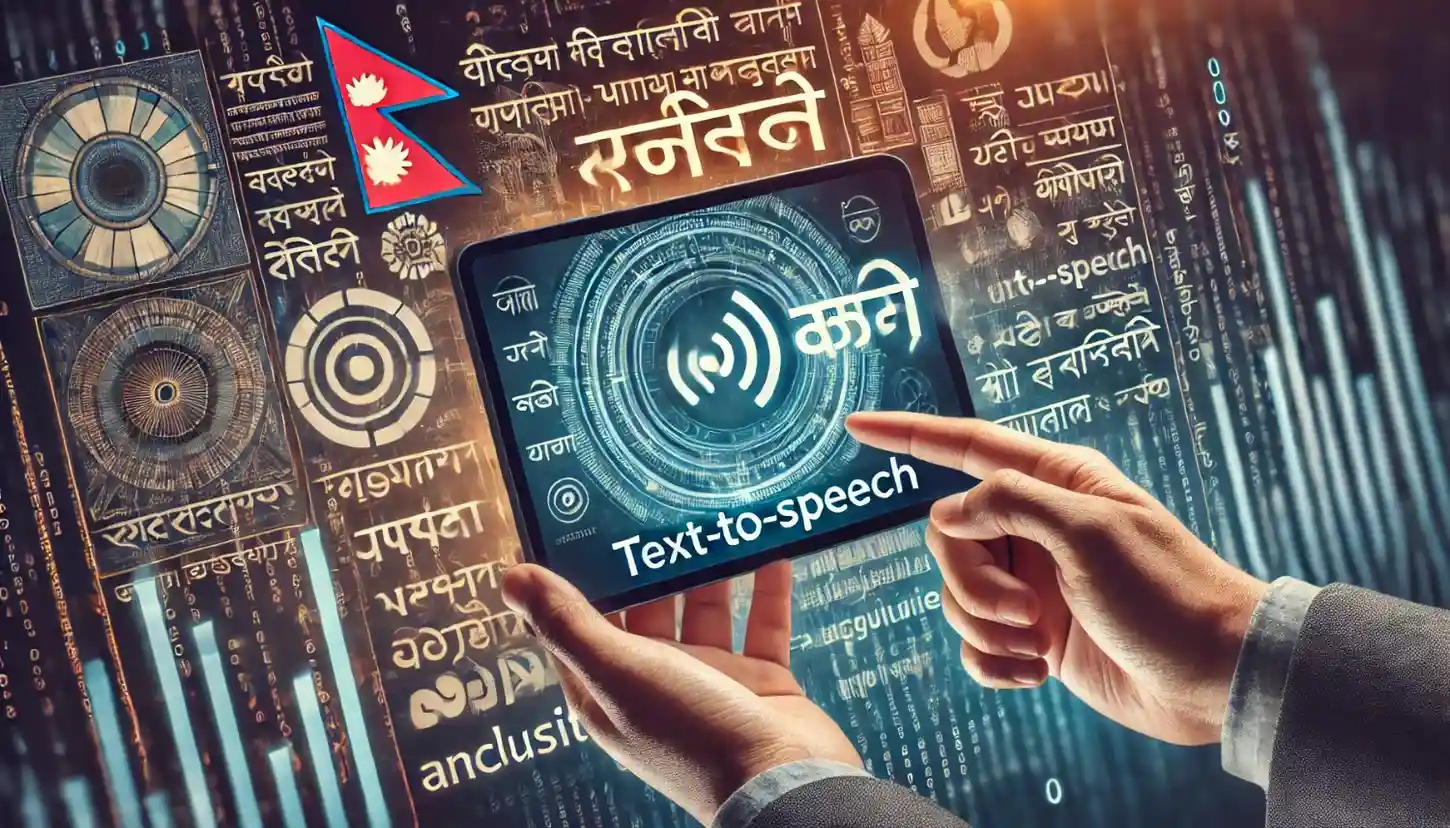
In a significant move to improve digital accessibility for individuals with visual impairments in Nepal, UNICEF and ATscale have jointly launched “दिना,” a Nepali text-to-speech (TTS) voice software. This innovative software is now available for free download, marking a transformative step in making digital content more accessible through realistic Nepali voices.
TTS technology has long been a vital tool for enhancing independence among people with visual impairments by converting written text into audio. However, until now, the lack of support for Nepali and similar languages had led to issues with incorrect pronunciations, limiting the effectiveness of TTS solutions.
To address this, UNICEF and ATscale developed Dina, which works seamlessly with Windows and Android operating systems and is compatible as an add-on for screen readers like TalkBack, NVDA, and other SAPI-5-compatible software. As an open-source tool, Dina can be further enhanced and adapted, ensuring its future adaptability across various platforms and offering greater accessibility to digital content for all ages in Nepal.
Pascal Bijleveld, CEO of ATscale, emphasized the importance of this technology in fulfilling the basic human right to access information. “With Dina, we are helping to ensure that persons with visual impairments in Nepal have a voice, providing them with a pathway to access vital resources that can transform their lives,” Bijleveld said.
In the development of Dina, UNICEF and ATscale worked closely with youth volunteers with visual impairments to test and refine the software. Approximately 15 young people provided crucial feedback, ensuring that the voice quality and overall user experience met the needs of those with visual impairments. Nir Shrestha, a disability rights youth advocate and one of the volunteers, shared his excitement: “I’m delighted to see the Nepali TTS voice developed with a natural tone. It will be a valuable tool for all Nepali users, especially those with visual impairments.”
This collaboration not only enhances the software for Nepali users but also empowers young volunteers by involving them in the technological development process, ensuring that their voices are heard in shaping solutions for their community.
Alice Akunga, UNICEF Representative to Nepal, expressed her gratitude to the volunteers and stressed the importance of community-based engagement in making digital solutions effective and inclusive. “This initiative opens up new possibilities, especially for visually-impaired children and young people in Nepal. I encourage all stakeholders to raise awareness and ensure that those who can benefit from this software are informed and able to use it effectively.”
The launch of Dina is a significant step toward making digital content accessible to all, particularly in Nepal’s visually-impaired community.