









Bangladesh’s telecom sector is under mounting pressure as persistent power outages and fuel shortages threaten the stability of mobile network operations, prompting urgent regulatory intervention.
The Bangladesh Telecommunication Regulatory Commission (BTRC) has initiated high-level discussions with the Bangladesh Petroleum Corporation, mobile operators, infrastructure providers, and tower companies to secure uninterrupted fuel and electricity supply. Additional coordination with power sector agencies is underway to stabilise energy access for telecom infrastructure.
Operators have become increasingly reliant on generators to keep mobile towers, data centres, and core network sites operational amid widespread load shedding. However, tightening fuel supplies are now limiting backup capabilities, raising the risk of widespread service disruptions.
Industry stakeholders have warned that network outages could escalate to a full shutdown if the situation persists. Tower companies are urging the government to classify telecom infrastructure as an “essential service” to ensure priority access to fuel and logistical support.
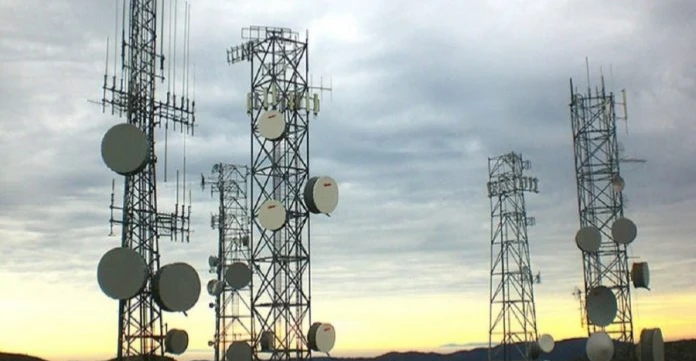
With more than 45,000 telecom towers dependent on grid electricity and fuel-powered backups, the crisis is exposing structural vulnerabilities in Bangladesh’s digital infrastructure. Maintaining uptime has become increasingly challenging as operators balance rising operational costs with limited energy availability.
The BTRC has emphasised the need for immediate intervention, including securing fuel transport and ensuring uninterrupted power supply, to safeguard nationwide connectivity.
Editor’s Note:
Energy reliability is emerging as a critical dependency for telecom infrastructure in emerging markets. Bangladesh’s situation highlights how power and fuel constraints can directly threaten network continuity and digital economy stability.