









Pakistan is accelerating its push toward a digitally driven economy, with government officials highlighting digital assets and blockchain as key pillars of future economic stability.
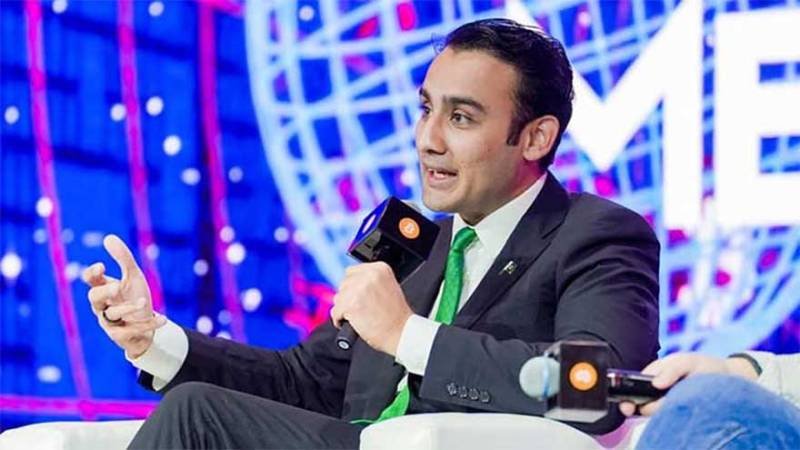
Speaking at a leadership summit focused on blockchain and digital assets, Minister of State Bilal Bin Saqib said the country is actively working to position digital assets as a meaningful contributor to national economic growth. The move aligns with the broader vision to modernize Pakistan’s financial ecosystem and reduce reliance on traditional structures.
A central focus of the government’s approach is the transition of digital assets from the informal economy into a regulated and documented financial system. This shift is expected to improve transparency, attract investment, and create a more structured environment for innovation in fintech and blockchain-based services.
Saqib emphasized that developing digital skills among the country’s youth will be critical to sustaining long-term growth. With a large and increasingly tech-aware population, Pakistan is aiming to build a talent pipeline capable of supporting emerging sectors such as crypto, decentralized finance, and blockchain infrastructure.
The government is also signaling openness to investors, with assurances of full support for those entering the digital assets space. This includes efforts to create a secure and transparent market environment that can accommodate both local and international participation.
Beyond finance, blockchain is being positioned as a transformative technology with potential applications across multiple industries, including supply chains, governance systems, and digital identity frameworks. Officials see this as an opportunity not just for economic growth, but for structural modernization across sectors.
Pakistan’s evolving stance reflects a broader regional trend, as governments across emerging markets explore regulatory frameworks to harness the economic potential of digital assets while managing associated risks.
The success of this strategy will depend on how quickly Pakistan can implement clear regulations, build institutional capacity, and foster trust in a sector that has historically operated outside formal financial systems.
Editor’s Note
Pakistan is not just “exploring” digital assets anymore. This is the early signal of a policy shift toward formalization and control.
The real story is not crypto adoption. It is economic documentation.
By bringing digital assets into the formal financial system, the government is targeting three things: capital visibility, tax capture, and controlled innovation. That is the same playbook we have seen across emerging markets that want to unlock fintech growth without losing regulatory grip.
The opportunity is real. Pakistan has a young, digitally native population and one of the highest crypto adoption rates globally. If regulation is executed well, this could unlock new rails for payments, remittances, and cross-border commerce.
The risk is just as clear. Overregulation will push activity back into the shadows. Underregulation will stall institutional trust.
What matters now is execution. Not announcements.
If Pakistan can build a credible, transparent framework, it has a chance to position itself as a serious digital asset market in South Asia. If not, this becomes another policy headline with no structural impact.