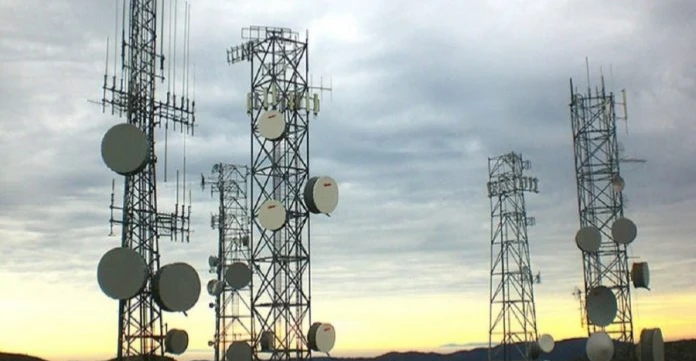









Afghanistan’s Ministry of Communications and Information Technology says efforts to expand telecommunications services and digital infrastructure across the country are continuing as connectivity becomes increasingly important to economic activity, education access, and daily communication.
Ahead of World Telecommunication and Information Society Day, ministry officials highlighted ongoing progress in telecom expansion, mobile usage growth, and digital service accessibility across multiple provinces.
The development reflects how telecommunications infrastructure continues to play a critical role in supporting digital inclusion and economic participation across emerging and developing markets.
Mobile and Internet Usage Expanding Nationwide
According to the Ministry of Communications and Information Technology, telecommunications and internet services have expanded significantly in recent years, with millions of Afghans now using mobile and internet services across the country.
Officials also noted that Afghanistan’s nationwide SIM card registration initiative is nearing completion.
“One of the ministry’s main responsibilities, which is also a public demand and a market requirement, is the process of SIM card registration. This process is now nearing completion, and 30 million SIM cards have been registered according to the established procedure,” said ministry spokesperson Enayatullah Alokozay.
SIM registration frameworks are increasingly being adopted globally to improve telecom governance, enhance digital security, and strengthen regulatory oversight across mobile ecosystems.
Consumers Continue Facing Connectivity Challenges
Despite ongoing infrastructure expansion, users continue highlighting challenges around internet affordability and service quality.
Residents in Kabul said telecommunications growth has improved communication access and information availability, but concerns remain regarding high service costs and inconsistent internet performance.
“The more telecommunications develop, the more the world becomes connected, and the growth of telecommunications is of special importance in people’s daily lives,” said Kabul resident Zalmai.
Another resident, Omidullah, said poor internet quality and high telecom costs continue affecting businesses and daily digital activities.
Affordable and reliable internet access remains a major challenge across many developing markets where infrastructure limitations, economic pressures, and investment gaps continue impacting service delivery.
Digital Infrastructure Seen as Economic Growth Enabler
Technology experts in Afghanistan emphasized that investment in digital infrastructure and telecommunications could support broader economic development, employment creation, and educational access.
“Investment in the information technology sector can be highly beneficial, especially in creating more job opportunities for youth. Educational institutions will also expand,” said technology expert Payman Noori.
Another technology specialist, Hadi Faizi, highlighted the broader role of digital infrastructure in supporting national development and modernization efforts.
Globally, digital infrastructure investment is increasingly linked to economic competitiveness, innovation ecosystems, workforce development, and public service accessibility.
Telecommunications Becoming Strategic National Infrastructure
The expansion of telecom services in Afghanistan reflects wider regional trends where connectivity infrastructure is becoming essential to social inclusion and long-term economic resilience.
Mobile broadband networks, internet accessibility, and digital services are increasingly central to enabling e-commerce, online education, telehealth, fintech services, and government digitization initiatives.
As digital dependency grows worldwide, investment in telecom infrastructure and internet accessibility is expected to remain a strategic priority for developing economies seeking greater participation in the global digital economy.
Afghanistan Continues Telecom Expansion as Digital Connectivity Demand Grows
Afghanistan’s Ministry of Communications and Information Technology says telecom and internet services continue expanding nationwide as the country advances SIM registration efforts and broader digital infrastructure development.