









Yemen’s Ministry of Telecommunications and Information Technology has called on the international community, the International Telecommunication Union (ITU), the United Nations, and humanitarian organizations to help protect the country’s telecommunications infrastructure and ensure the neutrality of telecom facilities amid ongoing conflict conditions.
In a statement issued during World Telecommunication and Information Society Day, the ministry said Yemen’s telecommunications sector continues operating under severe pressure caused by prolonged conflict, infrastructure damage, and restrictions affecting the import and maintenance of civilian telecom equipment.
The ministry urged international institutions to intervene against what it described as continued attacks on telecommunications infrastructure and efforts that risk further weakening the country’s digital connectivity ecosystem.
Telecommunications Infrastructure Under Severe Pressure
According to the ministry, more than 35 percent of Yemen’s telecommunications and information technology infrastructure has been damaged during more than a decade of conflict.
The statement said thousands of incidents have affected submarine cable systems, telecom sites, data infrastructure, and communications networks, significantly impacting national connectivity and digital service continuity.
Telecommunications infrastructure is increasingly viewed globally as critical civilian infrastructure due to its role in supporting emergency communications, banking systems, humanitarian coordination, healthcare access, education, and broader economic activity.
In conflict-affected regions, maintaining network resilience and digital access remains a major challenge for operators and public institutions.
Digital Connectivity Becoming Humanitarian Priority
The ministry stated that restrictions on telecommunications equipment and infrastructure maintenance continue to hinder efforts to restore and modernize services across the country.
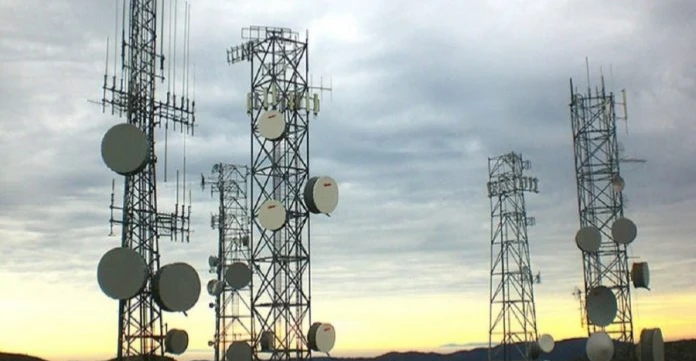
Authorities called for the lifting of barriers affecting the import of telecom technologies and spare parts required to repair damaged towers, expand connectivity, and restore services in affected regions.
The statement also emphasized the importance of submarine cable infrastructure, including calls for facilitating deployment and operation of the SMW5 submarine cable branch and landing station in Hodeidah Governorate.
Submarine cable systems remain strategically important for global internet connectivity, cloud access, and international communications capacity.
Yemen Continues Digital Infrastructure Recovery Efforts
Despite the operational challenges, the ministry said efforts are ongoing to rehabilitate damaged infrastructure and improve digital services across Yemen.
According to the statement, ongoing projects include improving fixed and mobile internet services, expanding fourth-generation network coverage, enhancing connectivity reliability, strengthening cloud technology adoption, and supporting broader digital transformation initiatives.
The ministry also highlighted efforts around digital empowerment and narrowing the country’s digital divide despite limited operational resources.
Digital Resilience Increasingly Critical in Conflict Environments
The situation in Yemen reflects broader global concerns around the protection of civilian digital infrastructure during periods of instability and conflict.
International organizations and regulators have increasingly emphasized the importance of safeguarding telecommunications systems due to their central role in humanitarian operations, economic continuity, and public access to information.
As digital dependency grows globally, telecom infrastructure resilience is becoming more closely tied to national stability, recovery efforts, and long-term development.
Yemen Calls for International Support to Protect Telecom Infrastructure and Digital Connectivity
Yemen’s Ministry of Telecommunications has urged international organizations to help safeguard telecom infrastructure, submarine cable systems, and digital connectivity as the country continues efforts to maintain communications services under prolonged conflict conditions.