








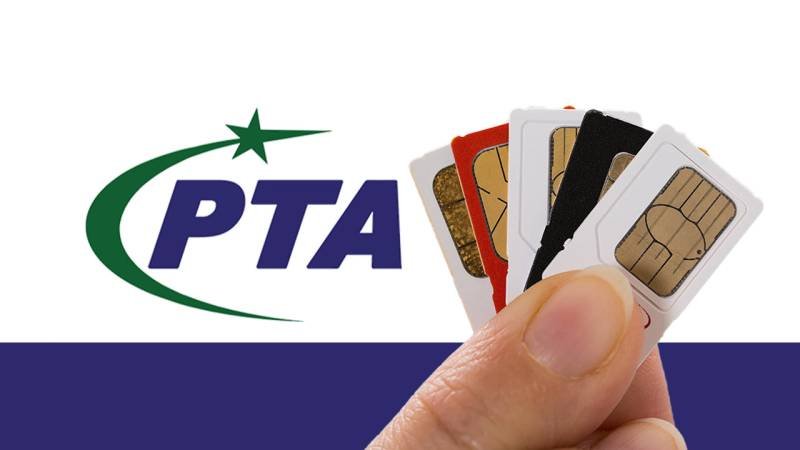
Pakistan Telecommunication Authority (PTA) has extended the SIM disownment period to one year, reinforcing efforts to strengthen consumer protection, identity security, and regulatory oversight within the country’s telecommunications sector.
The extension allows users a longer timeframe to report and disown SIM cards that may have been issued fraudulently or are no longer under their control, helping reduce risks tied to unauthorized mobile usage and identity misuse.
The move reflects increasing regulatory focus on digital identity management and telecom security as mobile connectivity becomes more deeply integrated into financial services, digital platforms, and online communications.
SIM Ownership and Identity Security Gain Importance
Mobile SIM registration systems play a critical role in Pakistan’s digital ecosystem due to their connection with banking services, mobile wallets, online authentication, and government-linked digital platforms.
Unauthorized SIM usage and identity-related fraud have remained ongoing concerns for regulators and consumers across many emerging digital markets.
By extending the SIM disownment period, PTA aims to provide users with greater flexibility to manage and verify mobile connections linked to their identity credentials.
Telecommunications regulators globally are increasingly strengthening SIM governance frameworks as digital identity systems become more interconnected with national digital infrastructure.
Pakistan Expands Focus on Telecom Consumer Protection
Pakistan’s telecommunications sector has experienced rapid growth in mobile broadband usage, smartphone adoption, and digital service integration over recent years.
As mobile devices increasingly function as gateways to financial services, e-commerce platforms, and online public services, telecom security and user verification systems are becoming strategically important.
PTA has continued implementing initiatives tied to cybersecurity awareness, SIM verification, digital compliance, and telecom consumer rights as part of broader sector modernization efforts.
The expansion of digital ecosystems is also increasing the importance of protecting users against identity misuse and unauthorized network activity.
Telecom Regulation Evolving Alongside Digital Transformation
Regulatory frameworks across emerging economies are evolving to address new challenges tied to digital identity management, fraud prevention, and online security.
SIM registration systems are increasingly viewed as critical infrastructure supporting broader digital trust ecosystems and secure digital participation.
Measures tied to verification, ownership transparency, and consumer protection are expected to become increasingly important as mobile-first digital economies continue expanding.
Editor’s Note
Mobile identity systems are becoming foundational components of modern digital economies. As telecommunications networks evolve into gateways for banking, commerce, and digital public services, stronger SIM governance and consumer protection frameworks are playing an increasingly important role in supporting digital trust, cybersecurity resilience, and secure digital participation.