



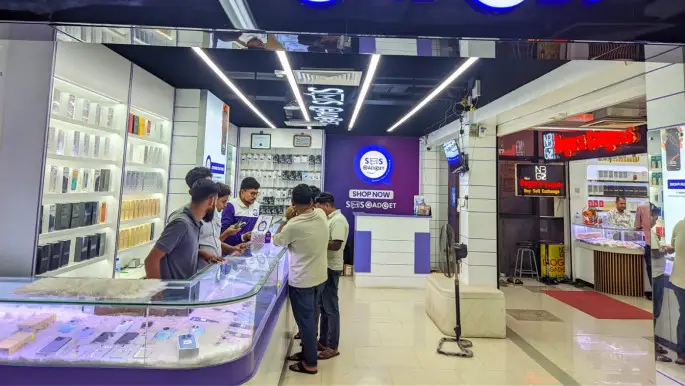
SMS Gadget is expanding its footprint across Bangladesh as the company strengthens its position in the country’s rapidly growing consumer technology retail sector, reflecting rising demand for smartphones, digital devices, and connected technologies among Bangladeshi consumers.
The retailer’s nationwide expansion comes amid broader growth in Bangladesh’s digital economy, where increasing internet penetration, smartphone adoption, mobile financial services, and digital commerce are driving demand for consumer technology products and services.
As digital connectivity becomes more deeply integrated into everyday life, access to affordable and reliable devices has emerged as a critical component of digital inclusion. Smartphones, tablets, laptops, wearables, and connected devices increasingly serve as gateways to education, financial services, e-commerce, entertainment, and digital government platforms.
The company’s growth reflects changing consumer behavior across Bangladesh, where rising digital engagement is creating opportunities for technology retailers and device manufacturers. Demand is being fueled by expanding mobile broadband coverage, increasing use of digital applications, and growing reliance on online services for both personal and professional activities.
Bangladesh has experienced significant progress in digital transformation over the past decade. Mobile connectivity has expanded rapidly, while government and private sector initiatives have encouraged greater adoption of digital services. These developments have contributed to a growing market for consumer electronics and technology products.
Technology retailers play an important role within this ecosystem by improving access to devices that enable participation in the digital economy. Beyond product sales, retail networks often provide customer support, financing options, device education, and after-sales services that help broaden technology adoption.
The expansion also highlights the increasing importance of organized technology retail channels. As consumers become more reliant on digital devices, demand for trusted retail brands offering authentic products, warranties, and professional support continues to grow.
Bangladesh’s growing middle class and youthful population are further contributing to technology consumption trends. Younger consumers are driving demand for smartphones, gaming devices, wearables, and productivity tools that support communication, education, content creation, and digital entrepreneurship.
The retail technology market is also benefiting from the expansion of mobile financial services and digital payment platforms, which are helping simplify transactions and improve accessibility for consumers across both urban and emerging markets.
As digital services continue to expand across sectors including education, finance, healthcare, and commerce, demand for consumer technology devices is expected to remain a key driver of growth within Bangladesh’s digital economy.
Editor’s Note
The growth of technology retail brands such as SMS Gadget highlights an often-overlooked aspect of digital transformation: access to devices is just as important as access to connectivity.
Governments and telecommunications operators frequently focus on broadband networks, mobile coverage, and digital services. However, individuals cannot fully participate in the digital economy without the hardware required to access those services. Smartphones and connected devices have become essential infrastructure for consumers.
For Bangladesh, rising demand for consumer technology reflects broader progress in digital adoption. Increased device ownership supports access to online education, digital banking, e-commerce platforms, remote work opportunities, and digital government services. In this sense, technology retail growth serves as an indicator of digital economy maturity.
The expansion is also significant from an inclusion perspective. As retailers expand beyond major urban centers, they help reduce barriers to technology access and support broader participation in digital ecosystems. This can have positive implications for economic opportunity, financial inclusion, and skills development.
Another important trend is the growing relationship between device adoption and digital commerce. Consumers increasingly use smartphones as primary tools for shopping, payments, communication, and content consumption. As a result, device availability directly influences the growth potential of digital services across multiple sectors.
From a broader market perspective, Bangladesh’s technology retail sector is becoming an increasingly important component of the country’s digital infrastructure ecosystem. While data centers, cloud platforms, and telecommunications networks form the backbone of digital transformation, consumer devices are the point at which individuals engage with those systems.
The continued expansion of technology retail therefore signals more than commercial success. It reflects the deepening integration of digital technologies into everyday life and highlights the importance of ensuring that access to devices keeps pace with investments in connectivity and digital services.