









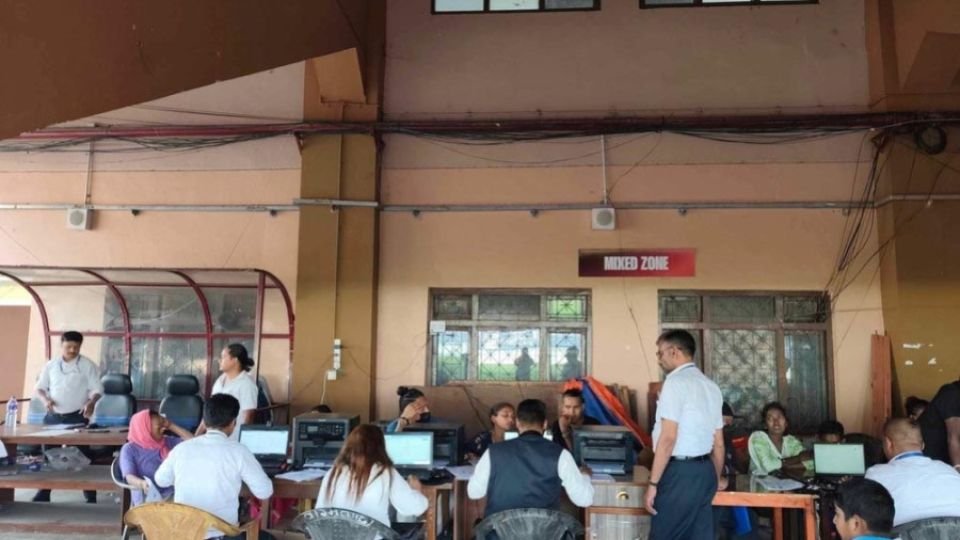
Nepal has resumed the digital verification of displaced squatters, signaling a renewed push to modernize land administration, improve beneficiary identification and strengthen the use of digital technologies in public service delivery.
The initiative is designed to verify and document eligible displaced households through digital processes, helping authorities improve data accuracy, reduce administrative inefficiencies and support more transparent decision-making in land and social welfare programs.
The resumption of digital verification reflects a broader trend among governments worldwide to digitize citizen records and public administration systems. By replacing manual verification methods with digital workflows, authorities can improve the reliability of beneficiary databases while accelerating service delivery and policy implementation.
For Nepal, the program is particularly important given the long-standing challenges associated with land management, informal settlements and the identification of displaced communities. Accurate and up-to-date records are essential for developing effective housing, resettlement and social support initiatives.
The use of digital verification tools can help streamline the collection, validation and management of citizen data. Such systems can reduce duplication, improve transparency and support more consistent application of eligibility criteria across large populations.
Governments across South Asia are increasingly investing in digital identity systems, e-government platforms and data-driven public administration models as part of broader digital transformation strategies. These technologies are enabling more efficient delivery of public services while improving accountability and governance.
The initiative also highlights the growing role of digital technologies in addressing complex socio-economic challenges. Beyond improving administrative efficiency, digital verification systems can help ensure that support reaches intended beneficiaries while reducing the risk of errors or fraudulent claims.
For displaced communities, accurate digital records can facilitate access to government services, social protection programs and future housing initiatives. Reliable data can also support better policy planning and resource allocation by providing authorities with clearer visibility into the scale and nature of displacement challenges.
The resumption of the program comes as Nepal continues to expand digital government capabilities and improve public sector service delivery. Investments in digital administration are increasingly viewed as essential for supporting inclusive development and improving citizen engagement.
Industry observers note that successful digital verification initiatives depend not only on technology deployment but also on effective governance, data protection and stakeholder engagement. Ensuring public trust and maintaining data accuracy are critical factors in achieving long-term program objectives.
Why This Matters
Digital verification systems can significantly improve the efficiency and transparency of government programs by creating more accurate and reliable beneficiary databases. For Nepal, the initiative supports efforts to modernize public administration while addressing long-standing land and housing challenges.
For policymakers, digitized verification processes can improve planning and resource allocation. For citizens, they can help ensure fairer access to public services and social support mechanisms.
Editor’s Note
The resumption of digital verification for displaced squatters highlights how digital transformation is increasingly being applied to complex social and governance challenges rather than solely to commercial or administrative services. As governments seek to improve the effectiveness of public programs, digital identity, verification and data management systems are becoming critical tools for delivering more transparent and inclusive services. The long-term success of such initiatives will depend on balancing technological efficiency with citizen trust, data protection and equitable access to public services.