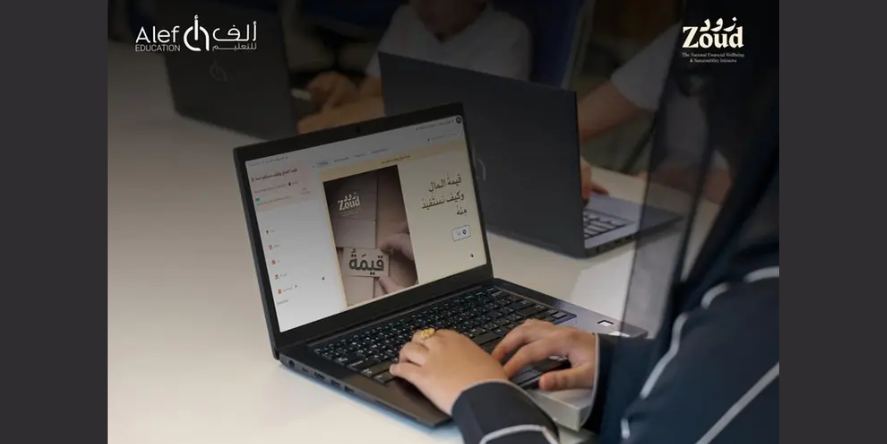









UAE-based Alef Education is emphasizing the importance of technology-supported learning activities during school breaks, highlighting how digital education platforms can help students maintain academic engagement and reduce learning loss during the summer months.
The company advocates for the use of interactive educational technologies to support continuous learning outside the classroom, reflecting a broader shift toward blended and personalized learning models that extend beyond traditional school calendars.
As education systems increasingly incorporate digital tools, schools and families are exploring ways to leverage technology to sustain student development during extended holidays while balancing learning with recreation and personal growth.
Addressing Summer Learning Loss Through Technology
Educational researchers have long identified the challenge of “summer learning loss,” where students may lose some of the knowledge and skills acquired during the academic year due to prolonged breaks from structured learning.
Digital learning platforms offer an opportunity to address this challenge by providing flexible access to educational content, interactive exercises and personalized learning pathways that students can engage with at their own pace.
Technology-supported learning activities can help reinforce key concepts while encouraging curiosity, independent learning and skill development throughout the holiday period.
Alef Education’s focus aligns with a growing recognition that learning is increasingly becoming a continuous process rather than one confined to classroom environments.
Personalized Learning Gains Momentum
Modern educational technologies are increasingly powered by artificial intelligence and data analytics, enabling more personalized learning experiences.
These systems can adapt content to individual student needs, identify knowledge gaps and provide targeted recommendations designed to support academic progress.
The ability to customize learning experiences is particularly valuable during school breaks, where students often have varying interests, schedules and learning requirements.
AI-driven educational platforms can also provide parents and educators with insights into student engagement and progress, helping ensure that learning objectives remain on track.
Digital Education as a Strategic Priority
The growing role of educational technology reflects wider investments in digital learning ecosystems across the Middle East.
Governments and education providers are increasingly incorporating digital tools into curricula, teacher training and student engagement strategies as part of broader efforts to prepare learners for technology-driven economies.
The UAE has been particularly active in promoting innovation within education, leveraging digital platforms, AI-powered learning systems and smart education initiatives to enhance learning outcomes and future workforce readiness.
Educational technology providers are responding by developing platforms that support both formal classroom instruction and informal learning experiences outside traditional school settings.
Preparing Students for a Digital Future
Beyond academic continuity, technology-supported learning can help students develop digital literacy and self-directed learning skills that are increasingly important in modern workplaces.
As economies become more dependent on technology and innovation, educational systems are placing greater emphasis on cultivating adaptability, critical thinking and lifelong learning habits.
Interactive learning environments can encourage students to engage with educational content in ways that feel more relevant and engaging, helping build familiarity with digital tools and technologies.
Why This Matters
Maintaining learning continuity during school breaks can help improve educational outcomes while encouraging lifelong learning habits. Digital platforms provide flexible opportunities for students to remain engaged with educational content regardless of location or schedule.
For education systems, technology-supported learning can complement traditional classroom instruction and contribute to broader digital education goals. For students and families, it offers accessible tools for continued development and skills building throughout the year.
Editor’s Note
The conversation around educational technology is evolving from digital access to learning continuity. While much of the focus in recent years has been on digitizing classrooms, the next phase of education innovation is about creating seamless learning experiences that extend beyond school walls. Companies such as Alef Education are helping shape this transition by demonstrating how AI, personalized learning and digital engagement can support students throughout the year. As education becomes increasingly technology-enabled, the distinction between classroom learning and independent learning is likely to become progressively less defined.