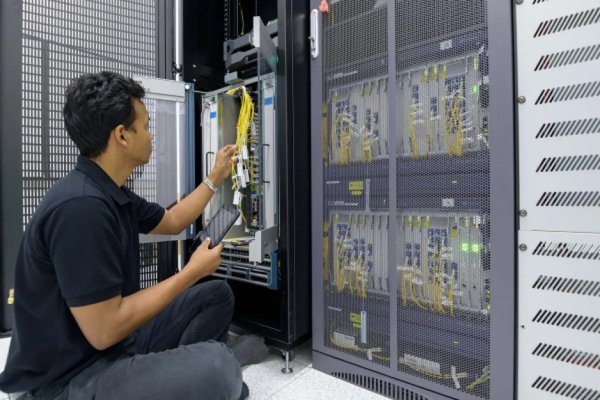







Maroc Telecom has outlined a continued focus on infrastructure investment and network modernization as it seeks to support growing demand for digital services, broadband connectivity and next-generation telecommunications capabilities across its markets.
The operator’s investment strategy underscores the critical role of telecommunications infrastructure in enabling digital transformation, economic development and technology adoption across North and West Africa.
As data consumption, cloud adoption and digital service usage continue to expand, operators are under increasing pressure to enhance network capacity, improve service quality and prepare for future connectivity requirements.
Infrastructure Remains Central to Growth Strategy
Maroc Telecom’s investment priorities are centered on strengthening network performance and expanding telecommunications infrastructure to support rising consumer and enterprise demand.
Telecommunications operators across Africa are navigating a period of significant transformation as customers increasingly rely on digital platforms for communication, entertainment, commerce and business operations.
To meet these requirements, operators are investing in mobile broadband expansion, fiber deployments, network modernization and enhanced digital service capabilities.
For Maroc Telecom, continued infrastructure investment is viewed as essential to maintaining competitiveness while supporting long-term growth opportunities across its footprint.
Rising Demand for Broadband and Data Services
The telecommunications landscape is increasingly shaped by growing demand for high-speed internet connectivity.
Consumers are using more data-intensive applications, including video streaming, social media, cloud services and online gaming, while businesses are accelerating digital transformation initiatives that require reliable broadband access.
These trends are driving higher network traffic volumes and increasing the need for operators to invest in capacity upgrades and network resilience.
The evolution toward more advanced connectivity services is also creating opportunities to introduce new digital products and enterprise solutions.
Preparing for the Next Generation of Connectivity
The investment focus comes as African telecommunications markets prepare for broader adoption of next-generation technologies.
5G deployments, cloud services, Internet of Things (IoT) applications and digital financial services are expected to create new demand for robust communications infrastructure over the coming years.
Operators that invest early in network modernization are likely to be better positioned to support these emerging opportunities while improving customer experiences.
Industry analysts note that telecommunications infrastructure has become increasingly important as a foundation for digital economy growth, supporting sectors ranging from education and healthcare to financial services and government modernization.
Digital Infrastructure Drives Economic Development
Beyond supporting telecommunications services, network investments contribute to broader economic and social development objectives.
Reliable connectivity enables digital inclusion, facilitates access to online services and supports entrepreneurship and innovation ecosystems.
Governments across Africa are prioritizing digital infrastructure development as part of national strategies aimed at improving competitiveness and accelerating economic diversification.
Maroc Telecom’s continued investment plans align with these broader regional trends and reinforce the role of operators as key contributors to digital transformation.
Why This Matters
Telecommunications infrastructure remains one of the most important enablers of digital economy growth. Continued investment in networks helps improve connectivity, support digital services and create the foundation for future technology adoption.
For Maroc Telecom, infrastructure modernization supports long-term competitiveness and service quality objectives. For consumers, businesses and governments, stronger networks provide the connectivity required to participate more effectively in increasingly digital economies.
Editor’s Note
Across Africa, telecommunications operators are entering a new investment cycle driven by rising data consumption and the growing importance of digital services. While discussions often focus on emerging technologies such as AI and 5G, the underlying infrastructure required to support these innovations remains critical. Maroc Telecom’s emphasis on network investment reflects a broader industry reality: digital transformation ultimately depends on the quality, resilience and reach of communications infrastructure. Operators that continue investing in these foundations will play a central role in shaping the next phase of Africa’s digital economy development.