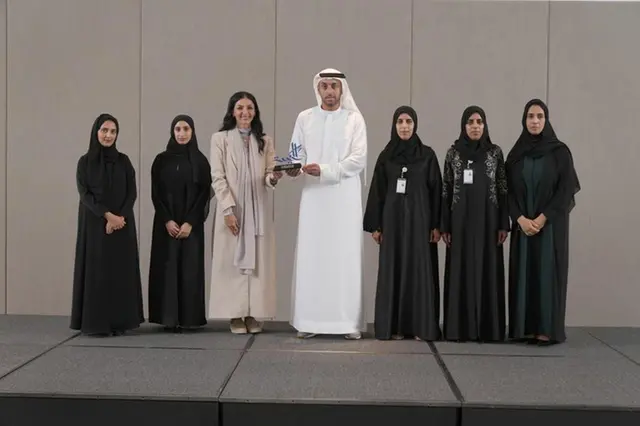









Egypt and France have signed agreements to establish two new applied technology schools, strengthening bilateral cooperation in technical education and workforce development to support Egypt’s growing digital and industrial economy.
The initiative aims to equip students with industry-relevant technical skills through vocational education aligned with labor market needs, helping develop a future-ready workforce capable of supporting sectors such as advanced manufacturing, digital technologies and industrial innovation.
The agreements reinforce Egypt’s broader strategy of modernizing technical education while strengthening partnerships with international institutions to improve skills development and economic competitiveness.
Technical Education Supports the Digital Economy
As industries increasingly adopt automation, artificial intelligence and digital technologies, demand for technically skilled professionals continues to grow.
Applied technology schools bridge the gap between education and employment by combining classroom learning with practical, industry-focused training that prepares students for real-world careers.
By establishing two new institutions, Egypt aims to expand access to specialized technical education while ensuring graduates possess skills that align with evolving industrial and technological requirements.
The initiative reflects a wider shift toward competency-based education that emphasizes practical expertise alongside academic learning.
Egypt Expands International Education Partnerships
The collaboration with France highlights the growing role of international partnerships in strengthening education systems.
Cross-border cooperation enables countries to share expertise, modernize curricula and introduce internationally recognized training standards that improve graduate employability.
France has extensive experience in vocational and technical education, making the partnership an opportunity to enhance Egypt’s capacity in applied learning and workforce preparation.
Such collaborations also support knowledge transfer between educational institutions and industry partners.
Building Talent for Future Industries
Egypt continues to invest in digital infrastructure, manufacturing, artificial intelligence, cloud computing and technology-enabled industries as part of its broader economic development agenda.
These investments require a pipeline of skilled technicians, engineers and digital professionals capable of supporting industrial modernization and technological innovation.
Applied technology schools help address this demand by producing graduates with practical skills suited to advanced manufacturing, automation and emerging technologies.
Industry analysts increasingly view workforce development as one of the most important enablers of sustainable digital transformation.
Education and Industry Become More Connected
Modern vocational education is increasingly shaped by collaboration between governments, educational institutions and private industry.
Curricula are being designed around employer needs, ensuring students develop competencies that match current and future labor market demands.
This approach improves employment outcomes while helping businesses access the skilled workforce needed to support innovation and productivity.
The new schools are expected to contribute to Egypt’s long-term objectives of strengthening industrial competitiveness and building a knowledge-based economy.
Why This Matters
Applied technology education plays a critical role in developing the workforce required for digital transformation and industrial modernization. International partnerships help strengthen technical education systems while improving alignment between education and industry.
For Egypt, the agreements with France reinforce national efforts to build a skilled workforce capable of supporting advanced industries and digital innovation. For students, the initiative creates greater access to practical, career-focused education aligned with emerging economic opportunities.
Editor’s Note
The success of digital transformation ultimately depends on people as much as technology. While governments continue investing in AI, cloud infrastructure and advanced manufacturing, these investments require a workforce equipped with practical technical skills. Egypt’s partnership with France reflects a growing recognition that vocational education is strategic infrastructure for the digital economy. As industries become increasingly technology-driven, applied education models that combine academic learning with real-world experience will play a central role in building competitive and resilient economies.