







Kenya is witnessing a rapid migration from legacy mobile technologies to 4G and 5G networks, underscoring the country’s accelerating digital transformation as consumers and businesses increasingly demand faster, more reliable mobile broadband services.
The latest market data shows subscribers are steadily moving away from 2G and 3G services in favor of high-speed mobile connectivity, driven by wider network coverage, greater smartphone adoption and increasing use of data-intensive digital applications.
The transition reflects Kenya’s growing position as one of Africa’s most advanced mobile broadband markets, with operators continuing to invest in next-generation network infrastructure to support the country’s expanding digital economy.
Mobile Broadband Becomes the Primary Connectivity Platform
The migration to 4G and 5G highlights the changing role of mobile networks from voice-centric communications to high-capacity digital infrastructure.
Consumers increasingly rely on mobile broadband for financial services, video streaming, cloud applications, online education, e-commerce and digital public services.
Higher-speed networks also provide the low latency and capacity needed to support emerging technologies such as artificial intelligence, Internet of Things (IoT) deployments and smart city applications.
Industry analysts expect mobile data consumption to continue rising as digital lifestyles become more deeply embedded across Africa.
5G Adoption Gains Momentum
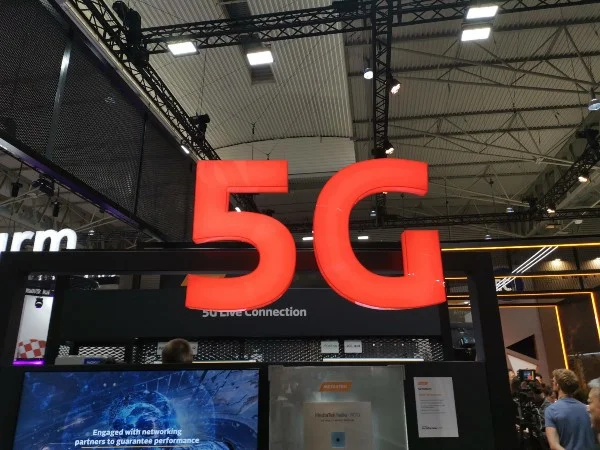
While 4G remains the dominant broadband platform, 5G adoption is steadily increasing as operators expand network coverage and compatible devices become more widely available.
Fifth-generation networks offer significantly higher speeds, lower latency and greater network efficiency, enabling enterprise applications such as industrial automation, private networks, advanced healthcare and intelligent transportation systems.
The gradual migration toward 5G also positions Kenya to support future innovations in AI, cloud computing and edge computing.
Telecommunications operators are increasingly viewing 5G as both a consumer and enterprise growth opportunity.
Digital Transformation Drives Network Investment
Kenya’s digital economy continues to benefit from sustained investment in telecommunications infrastructure.
Operators are expanding network capacity, upgrading spectrum assets and modernizing transport infrastructure to accommodate rising mobile broadband demand.
Improved connectivity supports innovation across fintech, agriculture, logistics, education and healthcare while strengthening digital inclusion in underserved communities.
The continued decline of legacy networks also enables operators to refarm spectrum more efficiently for higher-capacity technologies.
Modern Networks Enable Economic Growth
Reliable broadband infrastructure has become a key driver of economic competitiveness.
As businesses adopt cloud platforms, AI-powered applications and digital commerce solutions, access to fast and resilient mobile connectivity is increasingly essential.
The shift toward 4G and 5G strengthens Kenya’s ability to attract technology investment while supporting entrepreneurship and the expansion of digital services.
Industry observers expect mobile broadband to remain the primary engine of Africa’s digital growth over the coming decade.
Why This Matters
The migration from legacy mobile technologies to 4G and 5G strengthens national digital infrastructure, improves user experience and creates the foundation for AI, cloud computing and advanced digital services. It also enables operators to optimize spectrum resources and expand next-generation connectivity.
For Kenya, the rapid adoption of 4G and 5G demonstrates continued progress toward a digitally connected economy and reinforces the country’s leadership in Africa’s mobile broadband market. For telecommunications operators, the transition creates opportunities to expand enterprise services, improve network efficiency and support the next wave of digital innovation.
Editor’s Note
Kenya’s rapid shift toward 4G and 5G illustrates a broader transformation taking place across Africa’s telecommunications sector. Mobile networks are no longer simply communications infrastructure; they are becoming the backbone of digital economies, enabling everything from fintech and e-commerce to AI-powered enterprise applications. As operators continue retiring legacy technologies and expanding high-speed broadband coverage, countries with strong next-generation mobile infrastructure will be better positioned to attract investment, foster innovation and accelerate inclusive economic growth.