







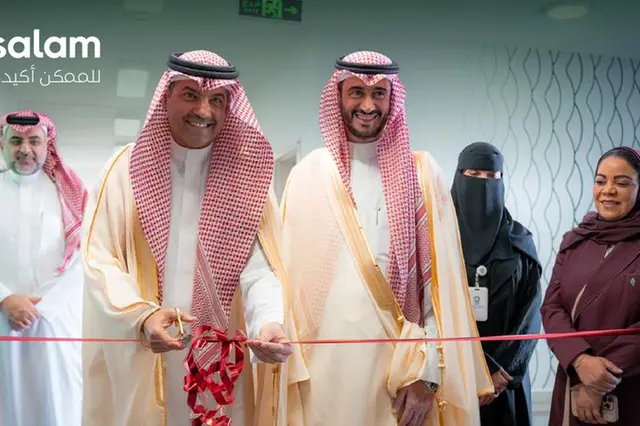
Saudi telecommunications and digital infrastructure provider Salam has launched its second Research and Technical Innovation Center in Al Ahsa, expanding its investment in technology education, research and workforce development to support the Kingdom’s digital transformation agenda.
The new center is designed to provide students, researchers and aspiring technology professionals with access to advanced technical training, innovation programs and research opportunities, reinforcing Salam’s commitment to developing local digital talent and fostering innovation across Saudi Arabia.
The initiative aligns with Saudi Vision 2030, which places human capital development, digital innovation and knowledge-based industries at the center of the Kingdom’s economic diversification strategy.
Investing in the Next Generation of Digital Talent
As artificial intelligence, cloud computing and cybersecurity reshape industries, developing skilled technology professionals has become a national priority.
Research and innovation centers play an important role in bridging the gap between academic education and industry requirements by providing practical training, collaborative research opportunities and exposure to emerging technologies.
By expanding its innovation network, Salam aims to help prepare Saudi youth for careers in high-growth technology sectors while supporting the country’s long-term digital workforce objectives.
Industry analysts increasingly identify talent development as one of the most important factors determining national competitiveness in the AI era.
Innovation Centers Strengthen Technology Ecosystems
Beyond education, innovation centers serve as collaborative environments where academia, industry and entrepreneurs can develop and test new technologies.
Such facilities encourage research in areas including artificial intelligence, networking, cloud computing, cybersecurity and digital infrastructure while promoting innovation-driven entrepreneurship.
They also create opportunities for collaboration between universities, technology companies and government institutions, accelerating knowledge transfer and commercialization of new ideas.
As digital economies mature, research hubs are becoming integral components of national innovation ecosystems.
Supporting Saudi Vision 2030
The launch reinforces Saudi Arabia’s broader efforts to build a diversified, knowledge-based economy through investments in education, research and advanced technologies.
The Kingdom continues to expand initiatives focused on AI, digital skills, cloud computing and telecommunications infrastructure, recognizing that talent development must evolve alongside technology investment.
Salam’s latest innovation center complements national programs designed to strengthen local capabilities and reduce dependence on imported technical expertise.
The initiative also contributes to regional development by expanding access to advanced technical education outside major metropolitan areas.
Telecom Operators Expand Beyond Connectivity
Telecommunications companies are increasingly positioning themselves as technology ecosystem enablers rather than traditional network providers.
Alongside investments in fiber, data centers and cloud platforms, operators are supporting innovation through digital skills initiatives, research partnerships and startup development programs.
By investing in human capital, Salam is reinforcing its role in Saudi Arabia’s wider digital transformation while helping cultivate the expertise needed to support future technologies and digital services.
This evolution reflects the growing convergence of telecommunications, education and innovation policy.
Why This Matters
Developing digital talent is becoming as important as investing in digital infrastructure. Research and innovation centers help prepare future technology professionals, accelerate applied research and strengthen national innovation ecosystems.
For Salam, opening its second Research and Technical Innovation Center in Al Ahsa expands its contribution to Saudi Arabia’s technology ecosystem beyond telecommunications services. For Saudi Arabia, the initiative supports Vision 2030 by strengthening digital skills, encouraging innovation and building the human capital required to sustain long-term growth in AI, cloud computing and advanced digital technologies.
Editor’s Note
The global race for digital leadership is increasingly becoming a race for talent. While investments in AI infrastructure, cloud platforms and next-generation networks remain essential, long-term competitiveness depends on developing the people who will build, manage and innovate on those technologies. Salam’s expansion of its research and innovation network reflects this reality, demonstrating how telecommunications operators are playing a broader role in shaping national technology ecosystems. As Saudi Arabia accelerates its digital transformation, sustained investment in education, research and workforce development will be critical to translating infrastructure investments into lasting economic and technological value.