





South Korea and Qatar have agreed to deepen bilateral cooperation beyond traditional energy ties, expanding into advanced industries such as artificial intelligence, semiconductors, and biotechnology.
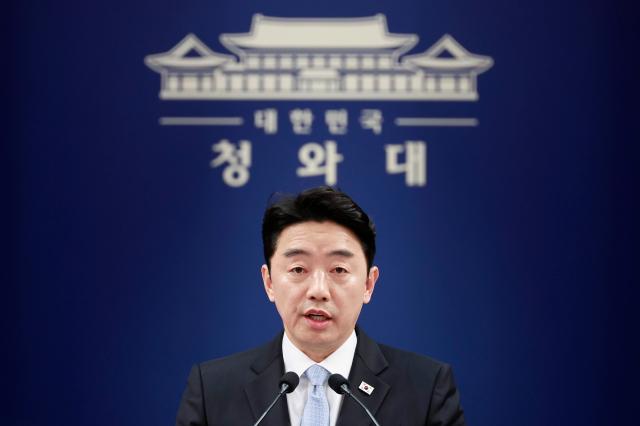
The development follows high-level discussions between South Korean presidential chief of staff Kang Hoon-sik and Qatar’s Minister of State for Foreign Trade Ahmed bin Mohammed Al-Sayed. The talks build on momentum from Kang’s earlier visit to Doha, where both sides signalled intent to diversify cooperation into technology-driven sectors.
A key signal of urgency came with Qatar dispatching a large delegation to Seoul within weeks of the initial discussions. The delegation, led by Al-Sayed, is engaging with investors and leading technology firms, indicating a shift from dialogue to execution.
Historically, South Korea and Qatar have maintained strong ties centred on LNG and energy trade. This new phase reflects a broader strategic realignment, where both countries are looking to capture value in high-growth sectors such as AI infrastructure, semiconductor supply chains, and biotech innovation.
For South Korea, the partnership offers access to capital and long-term investment from one of the world’s most active sovereign wealth ecosystems. For Qatar, it provides entry into advanced manufacturing capabilities, R&D expertise, and mature technology ecosystems, areas critical to its economic diversification agenda.
The inclusion of semiconductors is particularly significant given ongoing global supply chain realignments and the strategic importance of chip manufacturing. Similarly, collaboration in AI and biotech positions both countries to participate in sectors that are shaping the next wave of global economic growth.
Al-Sayed’s background as a former CEO of Qatar’s sovereign wealth fund further underscores the investment dimension of the partnership, with potential deals likely to span venture funding, joint ventures, and infrastructure development.
The move aligns with a wider regional trend, where Gulf economies are actively deploying capital to build capabilities in advanced technologies, while Asian technology leaders are seeking new markets and strategic partners.
Editor’s Note:
This is a classic capital-meets-capability play. Qatar brings capital and long-term investment appetite. South Korea brings technology depth and execution. The shift from energy to AI and semiconductors is not diversification for the sake of it, it is strategic positioning. The real story to watch is where the first joint bets land. If this translates into semiconductor investment or AI infrastructure projects, it signals a deeper, long-term alliance that goes well beyond trade.