









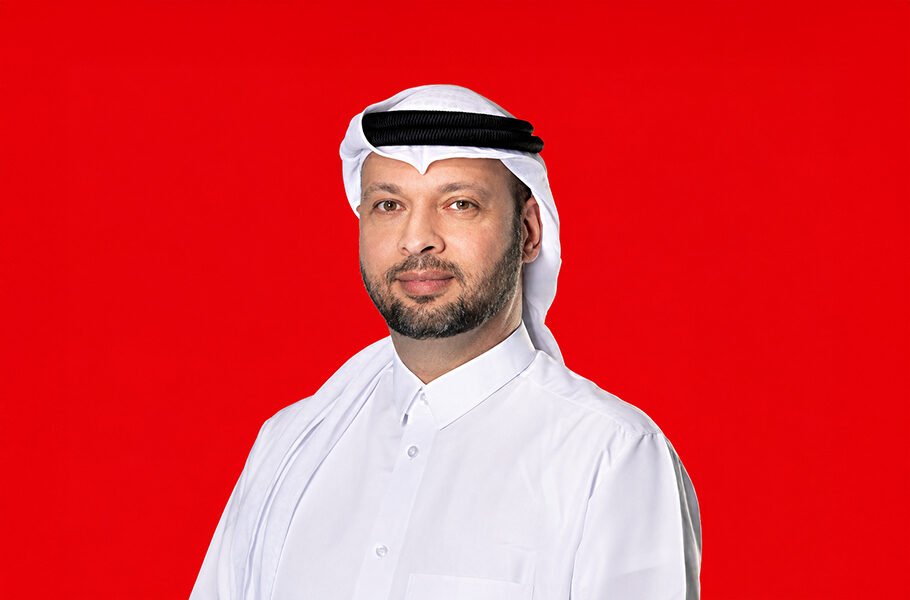
Ooredoo Group’s tower infrastructure subsidiary, Al Abraj Qatar, has appointed Khalid Barzak as its new General Director, reinforcing the company’s leadership team as telecom infrastructure operators play an increasingly strategic role in supporting network expansion, digital connectivity, and next-generation communications services.
The appointment comes at a time when telecom tower companies are becoming critical enablers of digital transformation across the Middle East. As operators accelerate investments in 5G, fiber backhaul, enterprise connectivity, and emerging digital services, the role of independent and operator-owned infrastructure providers continues to expand beyond traditional site management.
Al Abraj Qatar serves as a key infrastructure platform within Ooredoo Group’s ecosystem, supporting the deployment and operation of telecommunications infrastructure across the country. The company’s assets help facilitate mobile network coverage, capacity expansion, and the delivery of connectivity services required by consumers, enterprises, and public sector organizations.
Barzak brings extensive experience in telecommunications and infrastructure management, with his appointment expected to support Al Abraj Qatar’s ongoing efforts to optimize infrastructure utilization and strengthen its role in Qatar’s digital economy. Leadership changes at infrastructure companies are increasingly significant as the telecom sector shifts toward shared infrastructure models that improve efficiency while reducing capital expenditure requirements for operators.
The tower industry has undergone substantial transformation over the past decade. Infrastructure assets that were once viewed primarily as operational necessities are now regarded as strategic platforms supporting mobile broadband growth, enterprise digitalization, Internet of Things deployments, and future smart city applications.
Across the Gulf region, operators are actively exploring infrastructure-sharing models, tower carve-outs, and specialized infrastructure businesses to unlock operational efficiencies and support expanding network demands. These strategies have become increasingly important as mobile data consumption continues to rise and operators seek cost-effective approaches to expanding coverage and capacity.
In Qatar, telecommunications infrastructure remains a key component of broader national digital transformation objectives. Investments in connectivity, cloud services, digital government initiatives, smart infrastructure, and emerging technologies depend on resilient and scalable telecom networks capable of supporting growing data traffic and increasingly sophisticated digital applications.
The appointment also comes as telecom infrastructure providers face evolving requirements linked to 5G deployment, edge computing, enterprise connectivity, and future AI-driven network operations. Infrastructure companies are increasingly expected to provide flexible, scalable, and technologically advanced platforms that can support multiple operators and service providers.
As demand for high-performance connectivity continues to increase, leadership within infrastructure organizations will play an important role in determining how effectively telecom ecosystems can adapt to changing market requirements and support long-term digital growth.
Editor’s Note
While executive appointments often receive limited attention outside corporate circles, leadership changes within telecom infrastructure companies can have broader strategic implications for the digital economy.
Tower companies are becoming some of the most important assets in modern telecommunications ecosystems. The success of 5G deployment, enterprise connectivity expansion, private networks, Internet of Things services, and future edge computing environments depends heavily on the availability and efficient management of physical infrastructure.
For Ooredoo Group, strengthening leadership at Al Abraj Qatar reflects the growing importance of infrastructure specialization within telecom operations. Globally, operators are increasingly separating network infrastructure from retail service operations to improve efficiency, attract investment, and accelerate network deployment.
The appointment also highlights a broader trend across the Middle East, where telecom infrastructure is evolving into a strategic investment class. Tower assets are attracting increased attention because they provide long-term, recurring value while serving as foundational enablers of national digital transformation agendas.
As governments pursue smart city initiatives, AI adoption strategies, cloud expansion, and advanced digital services, infrastructure companies such as Al Abraj Qatar will play a central role in ensuring that the underlying connectivity layer can support future demand. In this context, leadership decisions are not simply organizational changes; they are part of the broader effort to build resilient and scalable digital infrastructure capable of supporting the next phase of economic and technological development.