








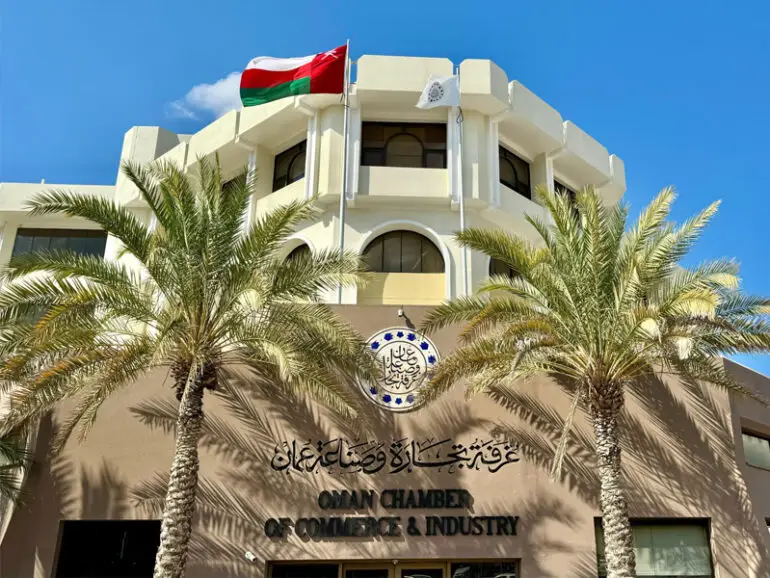
Oman is placing greater emphasis on freelancing and independent digital work as part of its broader digital economy ambitions, with the Oman Chamber of Commerce and Industry (OCCI) set to host a forum focused on emerging opportunities in the rapidly evolving digital workforce landscape.
The event will bring together stakeholders from government, business, and the technology sector to explore how freelancing can contribute to employment generation, entrepreneurship, and economic diversification. As digital technologies reshape labor markets worldwide, policymakers are increasingly examining how freelance and platform-based work can support national workforce development strategies.
The forum comes as Oman continues to advance initiatives aimed at strengthening digital transformation, fostering innovation, and expanding opportunities for youth participation in the knowledge economy. With growing access to digital platforms, cloud-based collaboration tools, and remote work technologies, professionals are increasingly able to offer services to clients and businesses beyond their local markets.
Freelancing has evolved from a niche employment model into a significant component of the global digital economy. Professionals in fields such as software development, digital marketing, cybersecurity, design, content creation, artificial intelligence, consulting, and data analytics are increasingly participating in cross-border digital work, creating new income streams and business opportunities.
For Oman, the growth of freelance work aligns with wider economic diversification objectives. As Gulf economies seek to reduce dependence on traditional sectors and develop knowledge-based industries, digital employment models are becoming an important mechanism for creating flexible workforce opportunities while supporting entrepreneurship and innovation.
The expansion of freelancing is also being supported by broader investments in digital infrastructure. High-speed broadband networks, cloud services, digital payment systems, and secure online platforms have lowered barriers to entry for individuals seeking to participate in global digital markets. These capabilities enable professionals to work remotely, collaborate internationally, and access clients across multiple geographies.
At the same time, governments are increasingly examining policy frameworks that can support freelance workers through training, digital skills development, financial inclusion initiatives, and regulatory structures that balance flexibility with economic security. Building a sustainable freelance ecosystem requires not only connectivity and technology access but also supportive business environments and access to digital tools.
The OCCI forum is expected to examine both opportunities and challenges associated with the freelance economy, including skills development, platform participation, income generation, and the role of emerging technologies in shaping future employment models. Discussions are likely to focus on how digital transformation is creating new forms of work that differ significantly from traditional employment structures.
The initiative reflects a growing recognition that workforce development strategies must evolve alongside technological change. As businesses increasingly adopt digital operating models, demand for specialized skills and project-based expertise is expected to continue growing across sectors.
By encouraging dialogue around freelancing and digital work, Oman is seeking to position its workforce to take advantage of new economic opportunities emerging from the global shift toward digital services and remote collaboration.
Editor’s Note
The significance of this initiative extends beyond freelancing itself. Across the Middle East, governments are increasingly viewing the digital economy as a mechanism for creating employment opportunities that are less dependent on geography, physical infrastructure, or traditional labor market structures.
Freelancing represents one of the most accessible entry points into the digital economy. Unlike large-scale industrial projects or capital-intensive technology ventures, participation often requires digital skills, connectivity, and access to online platforms. This makes it particularly relevant for youth employment, entrepreneurship, and workforce inclusion strategies.
For Oman, the discussion is closely tied to the future of work. Advances in artificial intelligence, automation, cloud computing, and digital collaboration tools are transforming how organizations source talent. Companies are increasingly building hybrid workforce models that combine full-time employees with specialized independent professionals who can be engaged on demand.
The broader opportunity lies in creating a digitally skilled workforce capable of exporting services beyond national borders. Countries that successfully develop freelance and digital talent ecosystems can generate new sources of income, strengthen innovation capacity, and increase participation in the global digital economy.
As digital transformation accelerates across the region, workforce readiness will become as important as infrastructure investment. The ability to equip citizens with marketable digital skills and connect them to global opportunities may ultimately prove to be one of the most important drivers of long-term economic competitiveness and diversification.