






The Karachi Metropolitan Corporation (KMC) will become Pakistan’s first municipal institution to implement a fully digital payment system through the State Bank of Pakistan’s Raast platform, marking a significant step in the digital transformation of public sector financial management.
Beginning with the 2026-27 financial year in July, all payments to vendors, contractors and approved beneficiaries will be processed electronically through Raast, eliminating traditional manual payment methods and introducing a cashless municipal payment framework.
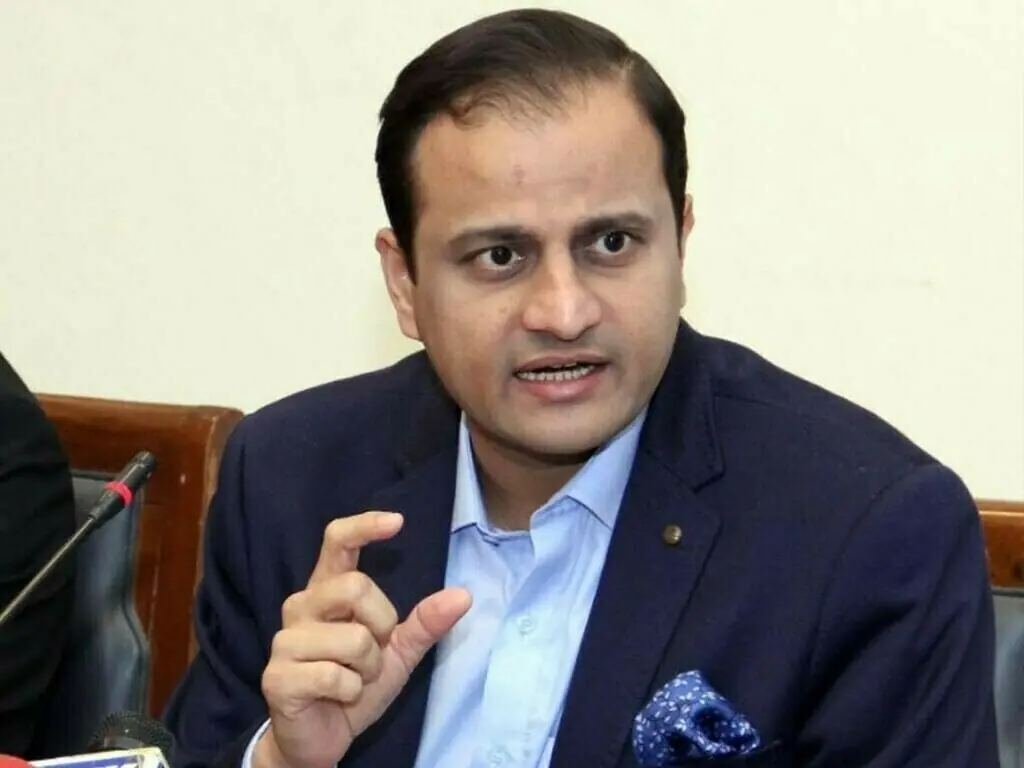
The initiative aligns with Karachi Mayor Barrister Murtaza Wahab’s broader vision of digitizing municipal operations and strengthening financial governance through technology.
KMC Adopts Cashless Municipal Payments
Under the new system, approved payments will be transferred directly to recipients’ bank accounts using Raast, Pakistan’s instant digital payment infrastructure developed by the State Bank of Pakistan.
The transition is expected to replace paper-based workflows and manual payment processes with real-time electronic transactions, reducing administrative delays and improving operational efficiency.
According to city officials, the move will help modernize KMC’s financial management systems while providing greater visibility into municipal expenditures and payment flows.
The framework has been approved by the Accountant General Sindh, making KMC the first local government institution in Pakistan to implement a fully cashless payment model at scale.
Digital Governance and Transparency Take Center Stage
Municipal administrations handle large volumes of payments related to infrastructure projects, public services, procurement and vendor management.
By digitizing these transactions, KMC aims to strengthen financial oversight, improve accountability and reduce the risks associated with manual processing.
The adoption of Raast is expected to provide faster settlement, enhanced transaction traceability and improved auditability, all of which are increasingly important components of modern public sector governance.
Digital payments can also help reduce administrative costs while improving the accuracy and efficiency of financial operations.
Public Sector Digital Transformation Gains Momentum
The initiative reflects a broader trend across Pakistan’s public sector, where government institutions are increasingly adopting digital platforms to improve service delivery and operational effectiveness.
As digital payment infrastructure matures, government agencies are exploring ways to integrate real-time payment systems into procurement, disbursement and citizen service workflows.
The use of Raast by a major municipal authority demonstrates how national digital payment infrastructure is beginning to move beyond consumer transactions and into institutional financial management.
Industry observers note that public sector adoption can play an important role in accelerating trust and usage of digital payment systems across the wider economy.
Building on Pakistan’s Digital Payments Ecosystem
Pakistan has invested heavily in expanding digital financial infrastructure in recent years, with Raast emerging as a key component of the country’s financial inclusion and digital economy strategy.
The platform enables instant account-to-account payments and supports a growing ecosystem of banks, fintech providers and government institutions.
Municipal adoption of Raast could create a blueprint for other local governments seeking to modernize financial processes and improve governance outcomes through digital technologies.
As governments increasingly prioritize transparency and efficiency, digital payment systems are expected to become a standard component of public financial management frameworks.
Why This Matters
Digital payments can significantly improve public sector efficiency, transparency and accountability. By moving to a fully electronic payment model, KMC aims to reduce delays, strengthen financial controls and modernize municipal operations.
For Pakistan, the initiative demonstrates how digital payment infrastructure can support government modernization beyond consumer banking and fintech applications. It also highlights the growing role of instant payment systems in improving public sector governance.
Editor’s Note
The significance of KMC’s Raast adoption extends beyond municipal finance. Around the world, governments are increasingly digitizing financial operations to improve transparency, reduce administrative overhead and enhance accountability. Karachi’s move demonstrates how digital payment infrastructure can become a foundational tool for public sector modernization. As Pakistan continues to expand its digital economy, the integration of platforms such as Raast into government workflows may prove just as important as consumer adoption in driving long-term digital transformation.