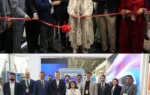

Expro has commenced operations under a four-year contract worth approximately $380 million with a major North African operator, providing production optimisation and well management services across multiple fields in Algeria.
The agreement is one of Expro’s largest contracts in North Africa and will see the energy services company deploy advanced production technologies and integrated solutions aimed at improving efficiency, sustaining output and supporting Algeria’s broader production ambitions.
Contract spans multiple field developments
The four-year agreement covers several projects across key developments in Algeria.
Expro will be responsible for rapidly mobilising equipment, specialist expertise and production technologies across multiple locations.
The work will focus on well management, production optimisation and operational support, with an emphasis on safety, efficiency and maintaining sustainable production levels.
Production technologies aimed at maximising uptime
Expro said the contract will use integrated production solutions designed to improve field performance and reduce operating costs.
The company’s role will include helping the operator sustain output, maximise equipment and well uptime, and respond more quickly to changing operational conditions.
Chief Operating Officer Alistair Geddes said the contract builds on more than a decade of cooperation with the client.
“This platform builds on more than a decade of collaboration with our client and reflects the strength of our partnership in delivering safe, efficient production solutions,” Geddes said.
“We’re proud to continue supporting Algeria’s energy ambitions with systems designed to sustain output, maximise uptime and reduce operating costs.”
Rapid mobilisation is key part of delivery
The contract requires Expro to deploy equipment and technical expertise quickly across several projects.
That capability is important in mature or complex producing fields, where production losses can result from well integrity issues, equipment downtime or inefficient operating conditions.
Integrated well management and production optimisation services can help operators identify those issues earlier and improve recovery from existing assets without relying solely on new field development.
Geddes said the award also reflects Expro’s ability to adapt to changing market and operational requirements across North Africa.
Algeria remains important regional market
The contract strengthens Expro’s position in Algeria and expands its role across the wider Middle East and North Africa energy market.
Algeria is one of the region’s most important hydrocarbon producers, making production efficiency and field optimisation strategically important as operators seek to maximise output from existing infrastructure.
The scale and duration of the contract also suggest that production optimisation is becoming a longer-term operational priority rather than a short-term intervention.
Why this matters
The significance of the agreement lies in its focus on extracting more value from existing producing assets.
For Algeria, increasing production does not depend only on discovering and developing new fields. It also requires better management of mature wells, improved uptime and tighter operational control across existing developments.
A four-year, $380 million contract gives Expro a substantial role in that process and provides the operator with a structured platform for deploying production optimisation technologies across multiple fields.
Editor’s note
The strategic angle here is operational efficiency.
Large energy producers are increasingly looking to digital tools, integrated well management and advanced production systems to improve output without proportionally increasing costs.
The real measure of this contract will therefore be whether Expro can deliver sustained gains in uptime, production efficiency and operating cost performance across the covered fields. If those improvements are achieved at scale, the project could become a strong reference point for similar optimisation programmes across North Africa.