
Sri Lanka to roll out digital ID in phases with focus on security and privacy
Sri Lanka will roll out its digital ID system in phases, focusing on security, transparency, and improved access to public services.

Technology news and insights in the Middle East, South Asia, and Africa
Technology News and insights in the Middle East, South Asia, and Africa
Technology news and insights in the Middle East, South Asia, and Africa
Technology News and insights in the Middle East, South Asia, and Africa










Sri Lanka will roll out its digital ID system in phases, focusing on security, transparency, and improved access to public services.

Liberia has launched the GREAT project, aimed at expanding its national digital ID and improving public services. Funded by the World Bank, the initiative will enroll two million citizens and enhance the digital infrastructure, creating a streamlined digital government ecosystem to increase service accessibility and accountability.
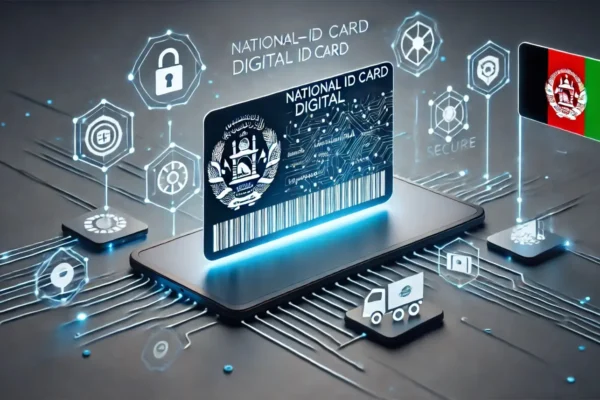
Afghanistan’s National Information and Statistics Authority is expanding e-Tazkira digital ID distribution centers to increase access. Over 15 million digital IDs have been issued, and mobile teams are also assisting in remote areas. The NSIA is also collaborating with UNFPA on an upcoming national population census for accurate data.

The “MY KUWAIT ID” app introduces three verification levels: Medium, High, and Verified, each offering different features based on the registration method. These levels provide users with secure access to services such as civil ID, document verification, authentication, and electronic signatures, ensuring a high standard of data protection.

Jordan has partnered with IrisGuard and VFS Global to provide expatriates with access to government services using iris recognition technology. The national digital ID service (Sanad) is now available in the U.S. and Canada, allowing over 200,000 Jordanians to access services without returning to Jordan.