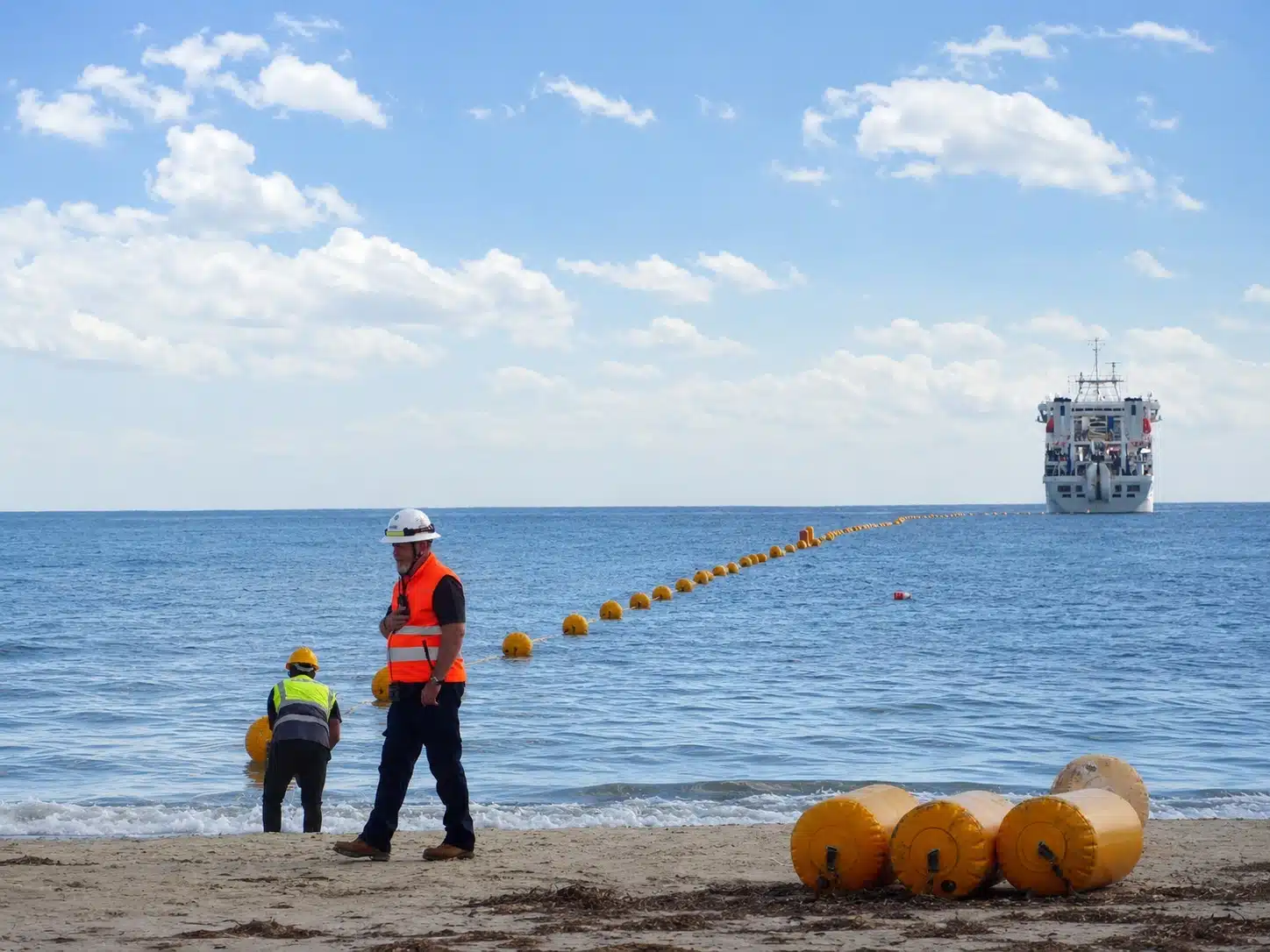










The ViaTunisia submarine cable has officially entered service, marking a significant milestone in digital infrastructure development and enhancing connectivity between Europe and North Africa.
The activation of the new cable is expected to increase international bandwidth capacity, improve network resilience, and support growing demand for data-intensive services across the region. The project strengthens Tunisia’s position within the Mediterranean connectivity ecosystem while providing additional routes for international data traffic between Europe and Africa.
Submarine cable systems form the backbone of the global internet, carrying the vast majority of international data traffic. As demand for cloud services, artificial intelligence, streaming platforms, digital commerce, and enterprise applications continues to rise, countries are investing heavily in new connectivity infrastructure to ensure sufficient capacity and redundancy.
The ViaTunisia cable is designed to support the growing digital requirements of businesses, telecommunications operators, cloud providers, and public sector organizations. By increasing international connectivity options, the system is expected to improve service reliability and reduce dependency on a limited number of routes.
For Tunisia, the project represents another step in its efforts to strengthen digital infrastructure and position itself as a strategic connectivity gateway linking Africa, Europe, and the broader Mediterranean region. Enhanced international connectivity is increasingly viewed as a critical enabler of digital transformation, supporting sectors ranging from financial services and technology to education and government services.
The launch also comes at a time when North Africa is attracting growing interest from hyperscalers, cloud providers, and digital infrastructure investors seeking locations with strong connectivity, competitive operating environments, and proximity to European markets.
Across Africa, submarine cable investments have accelerated as governments and private-sector players work to expand broadband access, improve international connectivity, and support growing digital economies. New cable systems are helping address capacity constraints while creating opportunities for data centers, cloud services, and digital innovation ecosystems.
Industry experts note that resilient international connectivity is becoming increasingly important as AI workloads, cloud adoption, and cross-border digital services drive unprecedented growth in global data traffic.
Editor’s Note
The launch of ViaTunisia is significant because it highlights a critical shift in how countries compete within the digital economy. Connectivity is no longer simply about internet access. It is about becoming part of the global data infrastructure that powers cloud computing, AI, digital trade, and international business operations. For Tunisia, the cable strengthens its strategic position between Europe and Africa at a time when digital traffic volumes are growing exponentially. More broadly, submarine cables are becoming essential national assets, underpinning economic competitiveness, digital sovereignty, and future technology investments. As North Africa seeks to attract data centers, cloud providers, and AI infrastructure projects, international connectivity will increasingly determine which markets emerge as regional digital hubs.