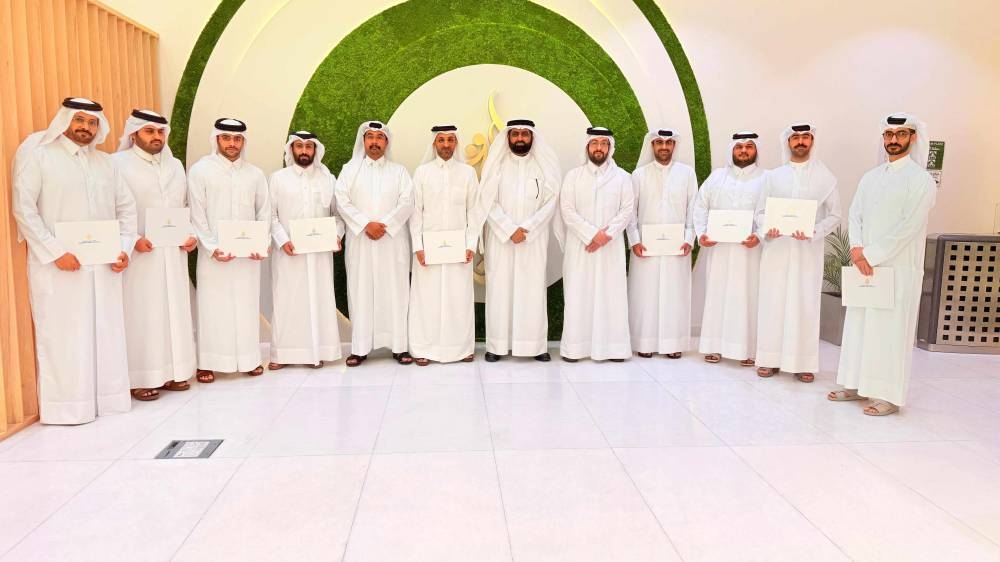










Ooredoo Kuwait has organized a blood donation campaign as part of its ongoing community engagement and social responsibility initiatives focused on public health and social welfare.
The campaign was aimed at encouraging employee and community participation in supporting national healthcare needs through voluntary blood donation. Corporate-led health initiatives have become an increasingly visible part of broader sustainability and social impact strategies across the Gulf region.
For telecom operators, community-focused programmes are playing a growing role in strengthening brand engagement while aligning with wider national objectives around public wellbeing and social development.
The initiative reflects how companies in the telecommunications sector are increasingly integrating health, education, and social support activities into broader corporate responsibility frameworks.
As Gulf economies continue prioritizing quality-of-life initiatives and social sustainability, private sector participation in public health campaigns is becoming more prominent.
The long-term impact of such initiatives depends on sustained engagement, public participation, and integration into wider community outreach programmes rather than one-off activities.
Editor’s Note
This is not just a CSR activity. It reflects how telecom brands increasingly position themselves within broader social infrastructure narratives.
The real story is corporate relevance beyond connectivity. Operators are seeking deeper engagement with communities through health, education, and social initiatives.
The opportunity is trust and long-term brand positioning. Consistent social programmes can strengthen public perception and stakeholder relationships.
The advantage is reach and visibility. Telecom operators possess broad customer and employee networks capable of mobilizing large-scale participation.
The challenge is maintaining authenticity. Community initiatives lose impact if perceived as purely promotional exercises.
The risk is short-term engagement cycles. Sustainable social impact requires continuity rather than isolated campaigns.
What to watch next is integration into broader ESG strategy. The real signal will be whether operators embed community health and social programmes into measurable long-term sustainability frameworks.