








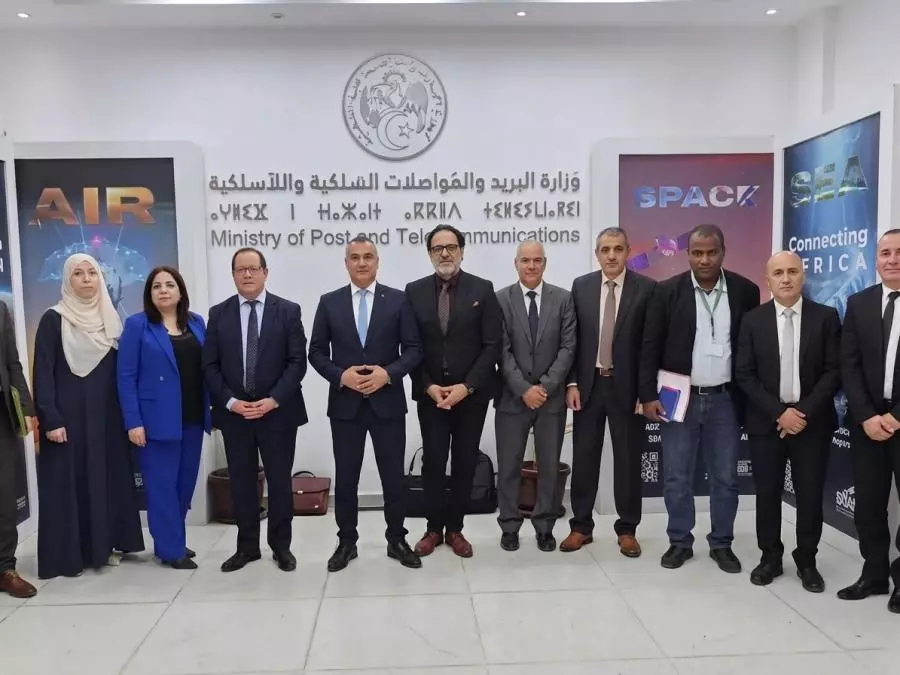
Algeria has established a new Permanent Sectoral Committee for Scientific Research and Technological Development aimed at strengthening innovation, advancing digital transformation, and aligning scientific research with the evolving needs of the telecommunications and technology sector.
The initiative was overseen by Minister of Post and Telecommunications Sid Ali Zerrouki as part of broader national efforts to promote research-driven innovation and strengthen Algeria’s digital and technological sovereignty.
According to the ministry, the committee will serve as a strategic coordination platform linking universities, research institutions, national experts, and sector stakeholders to support technological modernization and future digital economy development.
Algeria Strengthens Focus on Applied Research and Innovation
The newly formed committee is expected to play a central role in defining strategic research priorities tied to postal services, digital infrastructure, and emerging technologies.
Authorities stated that the initiative aims to bridge the gap between academic research and practical sector requirements while encouraging the development of locally driven technological solutions.
The committee includes representatives from sector institutions, research centers, and national scientific experts to help support innovation ecosystems and accelerate applied technology projects.
Officials emphasized the importance of transforming scientific knowledge into tangible economic and operational value capable of supporting citizens and broader national development objectives.
AI and Digital Sovereignty Identified as Strategic Priorities
Minister Zerrouki highlighted artificial intelligence as one of the most important technological transformations shaping the future global economy.
He stressed the need to invest in AI research and development while encouraging the creation of national AI-driven solutions capable of supporting Algeria’s digital transformation ambitions.
The initiative reflects growing recognition across North Africa and the wider Middle East that technological sovereignty increasingly depends on domestic innovation capabilities, research ecosystems, and advanced digital infrastructure.
Governments throughout the region are steadily increasing investments in AI, telecommunications modernization, and knowledge economy development to strengthen long-term competitiveness.
Linking Universities to National Digital Transformation Goals
A major objective of the committee is to create stronger integration between universities, research institutions, and economic sectors.
The government emphasized the need for practical, fast-impact projects that can directly benefit the telecommunications sector and support broader public service modernization efforts.
The initiative also aligns with Algeria’s wider push toward building a knowledge-based economy supported by innovation, digital capabilities, and locally developed technologies.
Editor’s Note
Scientific research and AI development are increasingly becoming central pillars of national digital sovereignty strategies. Countries investing in stronger links between academia, industry, and applied innovation ecosystems are positioning themselves more effectively to build domestic technological capability, reduce dependency on imported solutions, and compete within the future global digital economy.