




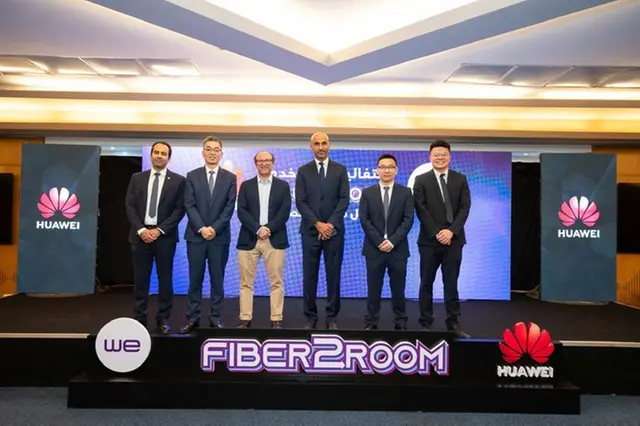
Telecom Egypt and Huawei have partnered to introduce Fiber-to-the-Room (FTTR) connectivity solutions for residential users in Egypt, marking a significant step in the country’s broadband modernization and smart home connectivity expansion.
The collaboration represents one of the first major FTTR deployments in the Egyptian market and reflects growing demand for ultra-high-speed, low-latency connectivity capable of supporting increasingly data-intensive digital lifestyles.
The initiative also highlights accelerating investment across the Middle East and Africa in next-generation fiber infrastructure and advanced home networking ecosystems.
FTTR Technology Expands Next-Generation Broadband Capabilities
Fiber-to-the-Room technology extends fiber connectivity deeper inside homes, delivering high-capacity internet access directly to multiple rooms and connected devices.
Unlike traditional broadband systems that rely heavily on Wi-Fi or copper-based internal distribution, FTTR architecture improves network stability, speed consistency, and coverage throughout residential environments.
The growing use of streaming platforms, cloud gaming, smart home devices, AI applications, remote work systems, and connected entertainment ecosystems is driving increased demand for more advanced home connectivity infrastructure.
Telecommunications operators globally are increasingly exploring FTTR deployments as consumer bandwidth requirements continue rising rapidly.
Egypt Accelerates Fiber Infrastructure Modernization
The partnership aligns with Egypt’s broader push toward telecommunications modernization and digital infrastructure development.
Telecom Egypt has continued expanding investments in fiber networks, broadband infrastructure, and advanced connectivity ecosystems to support growing internet consumption and digital economy growth.
Huawei remains a major infrastructure technology partner across emerging markets, supporting broadband deployment, cloud ecosystems, enterprise transformation, and smart infrastructure initiatives.
The expansion of high-capacity residential fiber infrastructure is becoming increasingly important for supporting digital public services, education platforms, online commerce, and connected household environments.
Smart Homes and Digital Lifestyles Driving Connectivity Demand
Consumer internet usage patterns are evolving rapidly as households become increasingly dependent on connected devices and cloud-based services.
Advanced fiber infrastructure is becoming critical for supporting smart home ecosystems, AI-enabled consumer technologies, high-definition streaming, and future immersive digital experiences.
The deployment of FTTR solutions also reflects wider industry movement toward more intelligent and scalable residential connectivity environments.
Editor’s Note
The future of digital economies increasingly depends on the quality and scalability of residential connectivity infrastructure. As households become central hubs for work, education, entertainment, and AI-powered services, next-generation fiber technologies such as FTTR are emerging as critical foundations for future smart living ecosystems and high-capacity digital lifestyles.