








Pakistan plans to expand fibre-to-the-home (FTTH) coverage to 10 million household passes in the coming years, doubling the country’s current footprint as the government accelerates efforts to strengthen digital infrastructure, expand digital inclusion and prepare the workforce for an AI-driven economy.
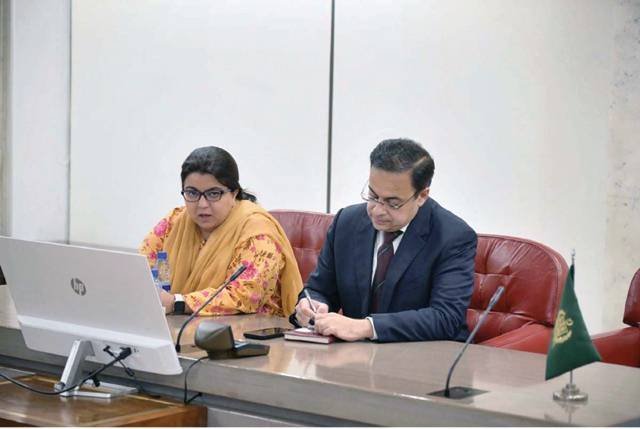
The target was announced by Federal Minister for Information Technology and Telecommunication Shaza Fatima Khawaja during a community-focused connectivity forum, where she outlined the government’s broader vision for digital transformation, connectivity expansion and skills development.
According to the minister, Pakistan’s FTTH coverage has already grown from approximately 3 million household passes to more than 5 million, reflecting increasing investment in fixed broadband infrastructure. Expanding coverage to 10 million homes would significantly improve access to high-speed and reliable internet services, supporting growing demand for digital services, remote work, online education and digital commerce.
The announcement comes as governments worldwide place increasing emphasis on fibre infrastructure as a foundation for digital economies. While mobile broadband remains the primary internet access channel for many users, fibre networks provide the high-capacity connectivity required to support cloud services, smart applications, AI adoption and future digital growth.
Alongside connectivity expansion, Pakistan is also advancing an ambitious digital skills agenda. The government aims to train one million people in artificial intelligence and digital technologies, extending beyond traditional technology professionals to include workers in agriculture, manufacturing, healthcare, legal services and other sectors.
The initiative reflects a growing recognition that AI literacy and digital skills are becoming essential across the broader economy. As automation and AI technologies reshape industries, governments are increasingly investing in workforce development to ensure citizens can participate in emerging digital opportunities.
The minister also highlighted ongoing reforms aimed at accelerating telecommunications infrastructure deployment, including the removal of right-of-way charges and legislative measures designed to improve policy continuity and encourage long-term investment in connectivity projects.
Such reforms are particularly important for fibre rollout, where permitting processes and infrastructure costs have historically slowed network expansion. Industry stakeholders have long argued that streamlined regulations are essential to achieving nationwide broadband coverage goals.
Digital inclusion remains another key pillar of Pakistan’s strategy. The government reported progress in narrowing the gender digital divide through targeted interventions focused on digital literacy, mobile connectivity and access to online services. Millions of women have already received digital skills training, while additional free training programmes continue to be offered through public and private sector partnerships.
Collaboration with organizations such as Ignite and international partners is also supporting advanced digital training programmes covering technical, entrepreneurial and soft skills development. These initiatives aim to prepare young people for opportunities in the digital economy while strengthening Pakistan’s technology talent pipeline.
The government is also leveraging digital platforms to improve financial inclusion. Digital wallets have enabled millions of women to receive financial assistance electronically while providing access to broader financial services, including bill payments, mobile top-ups and online commerce.
These efforts align with a broader multi-stakeholder approach involving government agencies, telecom operators, development organizations and civil society groups. Policymakers increasingly view connectivity, digital skills and financial inclusion as interconnected pillars of economic development.
Why This Matters
Pakistan’s fibre expansion target reflects a shift from basic connectivity toward building the high-capacity digital infrastructure needed to support future economic growth. Fibre networks are increasingly essential for cloud adoption, digital government services, AI applications and advanced enterprise technologies.
The parallel focus on AI skills and digital inclusion highlights the understanding that infrastructure alone is not enough. Maximizing the benefits of digital transformation requires both widespread connectivity and a digitally skilled population capable of participating in the evolving economy.
Editor’s Note
Pakistan’s strategy reflects a broader trend across emerging markets where digital transformation is increasingly being built around three pillars: connectivity, skills and inclusion. Expanding fibre infrastructure provides the foundation, but long-term economic impact depends on ensuring citizens can effectively use digital technologies and participate in AI-enabled industries. The combination of broadband expansion, workforce development and financial inclusion initiatives suggests Pakistan is positioning digital transformation not merely as a technology agenda, but as a broader economic development strategy.