








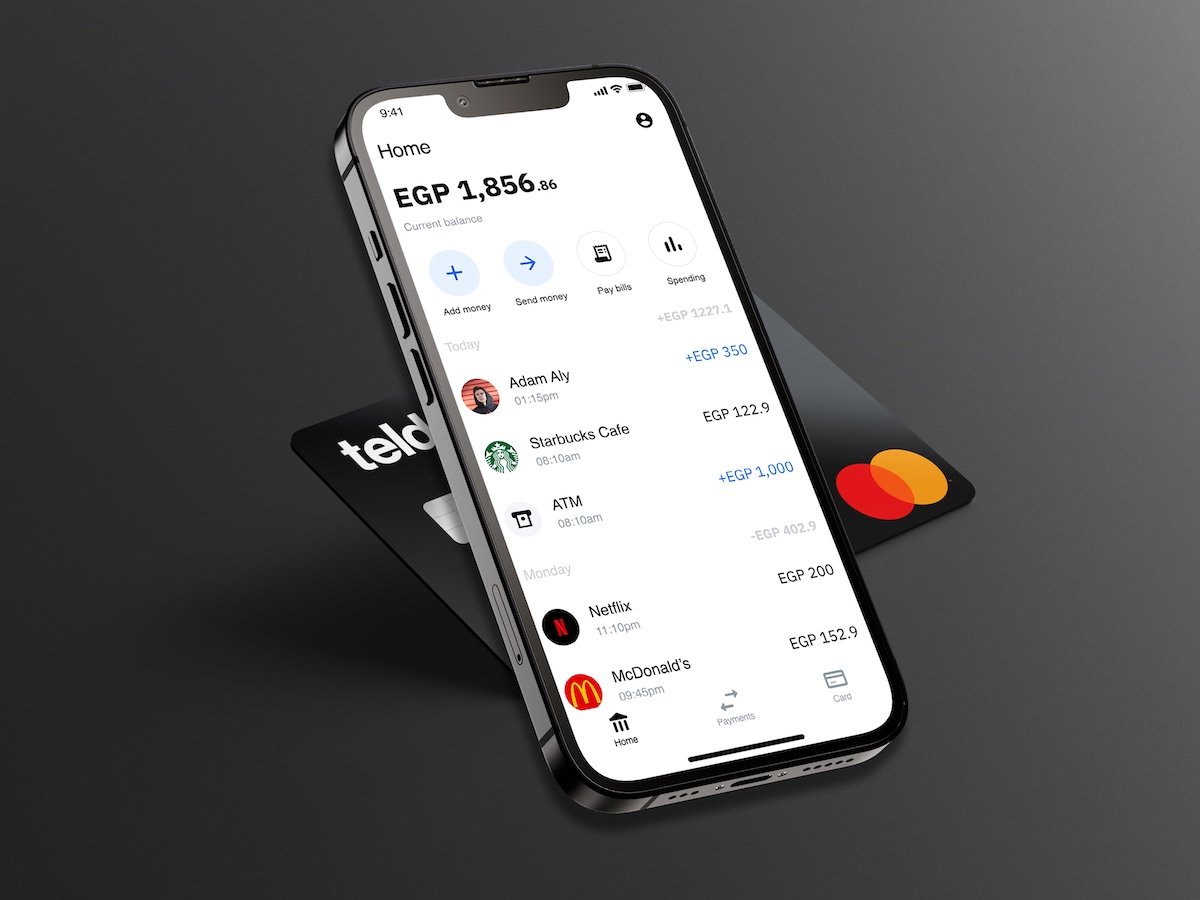
Mastercard and Egyptian fintech platform Telda have partnered to introduce new digital investment capabilities, reflecting the growing convergence of payments, fintech, and wealth-building services in one of the Middle East and North Africa’s fastest-growing digital finance markets.
The collaboration is designed to make investing more accessible to a broader segment of Egypt’s population by integrating investment functionality into digital financial services that consumers already use for payments and money management. The move highlights how fintech platforms are evolving beyond basic transactions to offer a wider range of financial products, including savings, investing, and wealth management tools.
The initiative comes as Egypt’s fintech ecosystem continues to expand rapidly, supported by rising smartphone adoption, increasing use of digital payments, a growing young population, and government efforts to advance financial inclusion. Digital platforms are increasingly being viewed as a means of widening access to financial services that have traditionally been available only through conventional banking and brokerage channels.
For Telda, the partnership represents another step in the evolution of fintech super-app models that combine payments, spending, saving, and investing within a single digital environment. Such platforms are gaining traction globally as consumers seek more convenient and integrated approaches to managing their finances.
Mastercard’s involvement reflects the changing role of payment networks within the financial ecosystem. Beyond facilitating transactions, global payment providers are increasingly supporting innovation in digital banking, embedded finance, investment services, and financial inclusion initiatives. Partnerships with fintech companies have become an important strategy for extending financial access and accelerating the adoption of digital financial services.
The introduction of digital investment capabilities aligns with a broader trend toward the democratization of investing. Technology platforms are lowering barriers to entry by simplifying onboarding processes, reducing minimum investment requirements, and providing user-friendly interfaces that make investment products more accessible to first-time investors.
Across the Middle East and Africa, fintech companies are expanding their focus from payments toward comprehensive financial ecosystems. Digital wallets, savings products, lending services, insurance offerings, and investment tools are increasingly being integrated into single platforms, creating more seamless financial experiences for consumers.
The development is also significant from a financial inclusion perspective. Access to investment products has historically been limited for many individuals due to cost, complexity, or lack of access to traditional financial institutions. Digital platforms have the potential to broaden participation by making investment opportunities more accessible and easier to understand.
As digital finance adoption continues to grow in Egypt, partnerships between fintech innovators and global financial technology providers are expected to play a central role in shaping the future of consumer financial services.
Editor’s Note
The Mastercard-Telda partnership reflects a broader shift taking place across emerging financial markets: financial inclusion is moving beyond access to payments and banking toward access to wealth creation.
For much of the past decade, fintech innovation focused on enabling digital payments, mobile wallets, and basic banking services. While these remain important, the next phase of fintech development is increasingly centered on helping consumers save, invest, and build long-term financial resilience.
This evolution is particularly relevant in Egypt, where a large, digitally connected population is becoming more comfortable with mobile-first financial services. As fintech adoption matures, demand is naturally expanding from transactional services to products that support financial growth and investment participation.
The initiative also highlights the rise of embedded finance. Consumers increasingly expect financial services to be integrated into digital platforms they already use, rather than requiring separate institutions or complex processes. Investing is becoming another service layer within broader digital financial ecosystems.
From a digital economy perspective, expanding access to investment products can have wider economic implications. Greater participation in capital markets can support financial literacy, encourage long-term savings, and deepen engagement with formal financial systems. These outcomes contribute to broader economic development and financial sector maturity.
The partnership further underscores the growing role of fintech companies as gateways to financial inclusion. The most successful platforms are no longer those that simply facilitate transactions, but those that help users manage, grow, and optimize their financial lives.
As digital finance ecosystems continue to evolve across the Middle East and Africa, the integration of investing into everyday financial platforms is likely to become a defining trend in the next phase of fintech growth.