






Lebanon’s Ministry of Telecommunications has announced plans to begin deploying a fiber-optic network in the southern city of Saida, marking another step in the country’s efforts to modernize fixed broadband infrastructure and improve access to high-speed internet services.
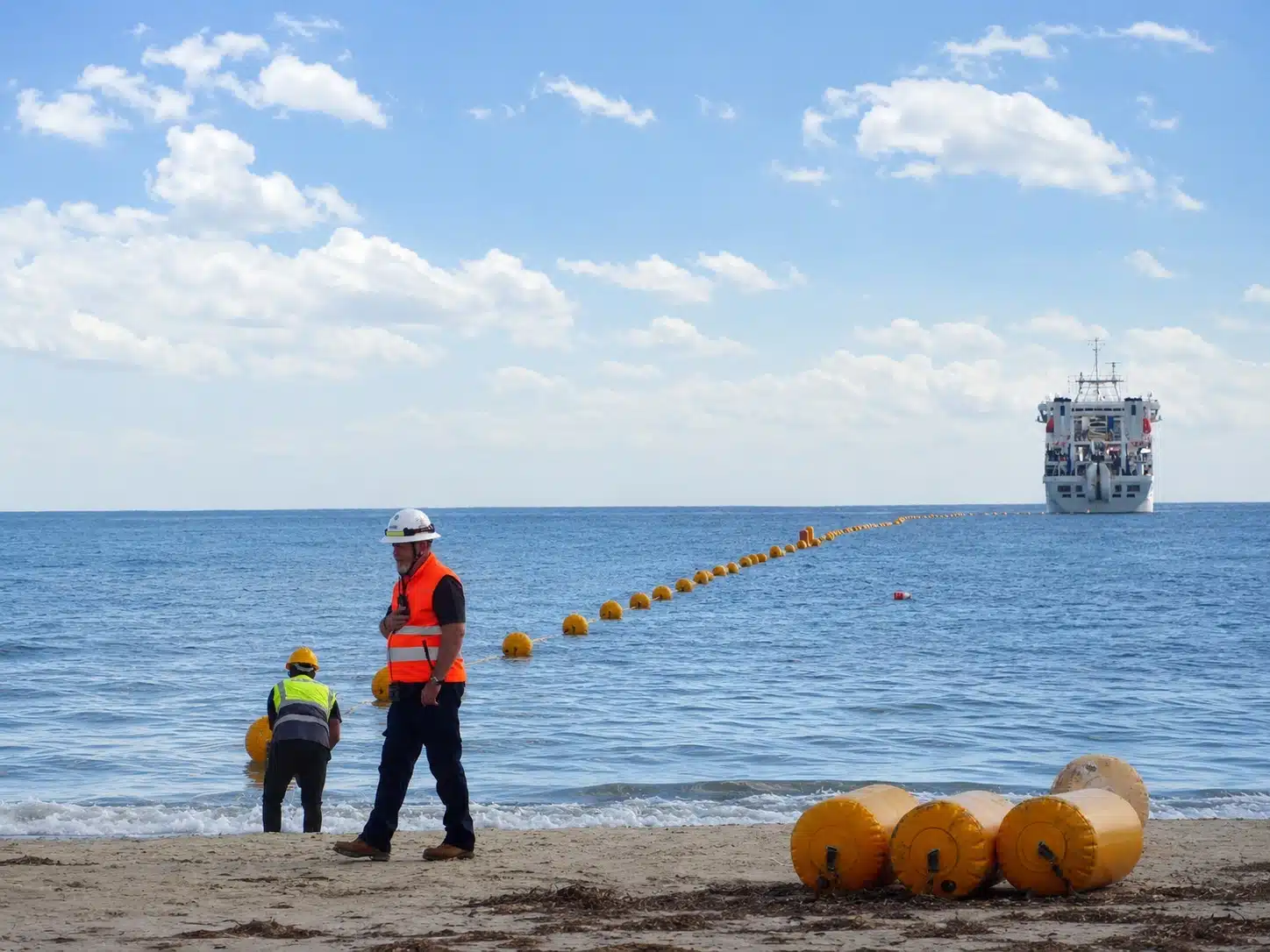
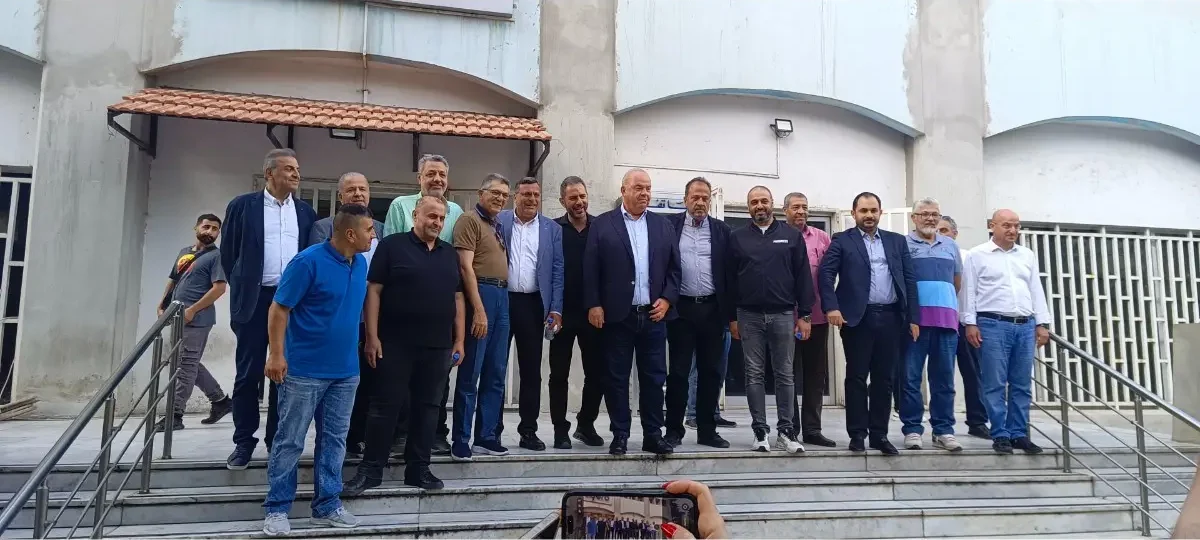
The announcement was made by Telecommunications Minister Charles Hajj during a visit to Saida, where he outlined plans to expand fiber connectivity to homes, businesses and public institutions. The rollout forms part of Lebanon’s broader strategy to strengthen digital infrastructure, enhance internet performance and support economic recovery through improved connectivity.
Expanding fiber broadband is expected to improve service quality while creating the digital foundation required for cloud services, digital businesses and future smart city applications.
Fiber Networks Form the Backbone of Digital Economies
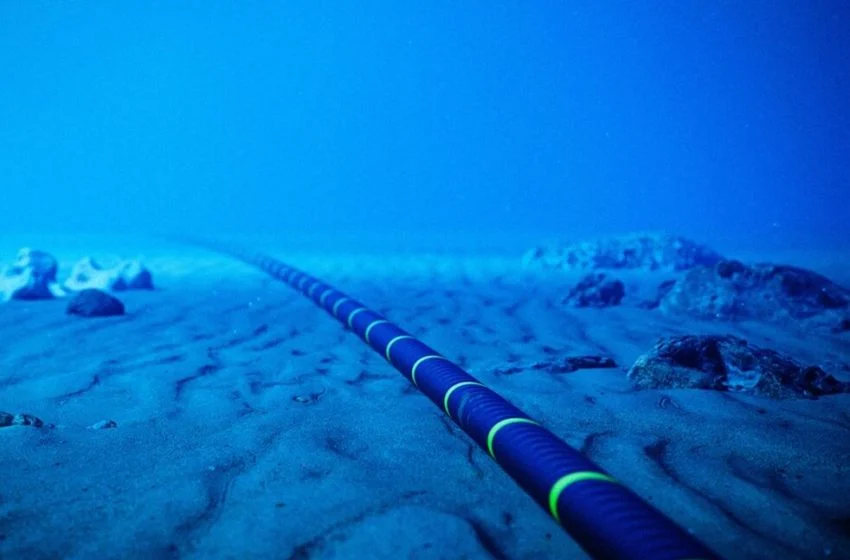
Fiber-optic infrastructure remains the gold standard for high-speed broadband, providing significantly higher bandwidth, lower latency and greater reliability than legacy copper networks.
Deploying fiber enables households and businesses to access faster internet services while supporting bandwidth-intensive applications such as cloud computing, video conferencing, digital education and enterprise connectivity.
For telecommunications operators, fiber also serves as the essential backhaul infrastructure required to support 5G networks and future digital services.
Industry analysts consider nationwide fiber expansion a prerequisite for long-term digital competitiveness.
Broadband Infrastructure Supports Economic Recovery
Reliable high-speed connectivity has become essential infrastructure for economic development.
Improved broadband access enables businesses to adopt digital technologies, supports entrepreneurship and expands access to online education, healthcare and government services.
In cities such as Saida, fiber deployment can stimulate local economic activity by improving digital access for SMEs, startups and public institutions while attracting future investment.
Expanding broadband infrastructure is increasingly viewed as a catalyst for regional development.
Lebanon Continues Digital Infrastructure Modernization
The planned deployment reflects Lebanon’s ongoing efforts to modernize its telecommunications sector despite broader economic challenges.
Upgrading fixed broadband infrastructure complements wider initiatives aimed at improving network resilience, expanding digital services and strengthening the country’s long-term digital transformation agenda.
As demand for cloud applications, AI services and digital commerce continues to grow, robust fiber infrastructure will play an increasingly important role in supporting national connectivity.
Fiber Investment Prepares for Future Technologies
Modern fiber networks create the capacity needed for next-generation technologies, including AI-powered services, smart city platforms, Internet of Things (IoT) deployments and advanced enterprise connectivity.
Countries investing in fiber today are better positioned to support future digital innovation while improving service quality for consumers and businesses.
For Lebanon, expanding fiber infrastructure represents a strategic investment in the country’s long-term digital resilience and competitiveness.
Why This Matters
Fiber-optic networks are foundational digital infrastructure, enabling high-speed broadband, supporting enterprise innovation and preparing countries for future technologies such as 5G, AI and smart city applications. Expanding fiber access also improves digital inclusion and strengthens economic competitiveness.
For Lebanon, the planned fiber-optic rollout in Saida represents another step toward modernizing the country’s broadband infrastructure and improving digital connectivity. For the Middle East’s telecommunications sector, the initiative highlights the continued importance of fiber investment as governments and operators build resilient, high-capacity networks capable of supporting the next generation of digital services.
Editor’s Note
While much of the industry’s attention is focused on AI and 5G, fiber remains the critical infrastructure that underpins both technologies. High-capacity fixed networks are essential for supporting cloud computing, hyperscale data centers, enterprise connectivity and future mobile networks. Lebanon’s planned deployment in Saida reflects a broader regional recognition that long-term digital transformation begins with robust broadband infrastructure. As countries continue investing in next-generation digital economies, expanding fiber coverage will remain one of the most effective ways to improve connectivity, attract investment and enable sustainable digital growth.