








Algeria is accelerating the deployment of Cell Broadcast technology to deliver location-based emergency warnings directly to mobile phones, as authorities strengthen disaster preparedness and telecommunications resilience following recent wildfires.
Minister of Post and Telecommunications Sid Ali Zerrouki ordered the urgent deployment of the system during a meeting on Tuesday, positioning Cell Broadcast as part of a broader national framework for responding to natural disasters and other major emergencies.
The initiative will be accompanied by measures to improve communications continuity, including strategic reserves of mobile network equipment and a unified system for monitoring infrastructure damage and coordinating restoration.
Cell Broadcast enables location-based mass alerts
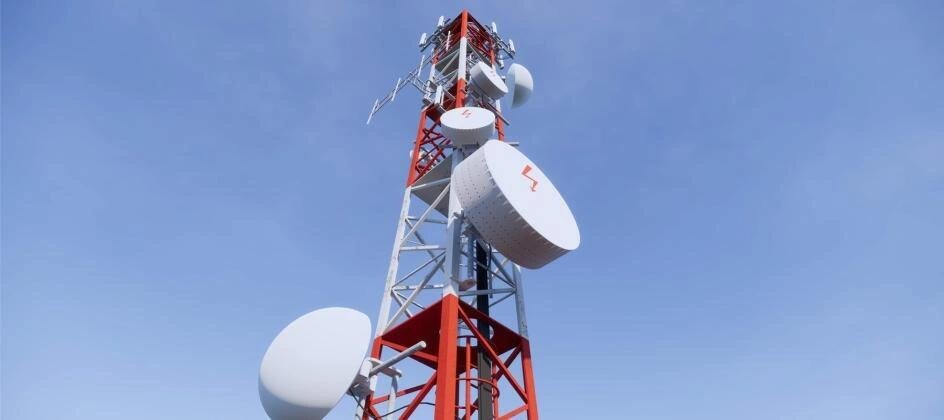
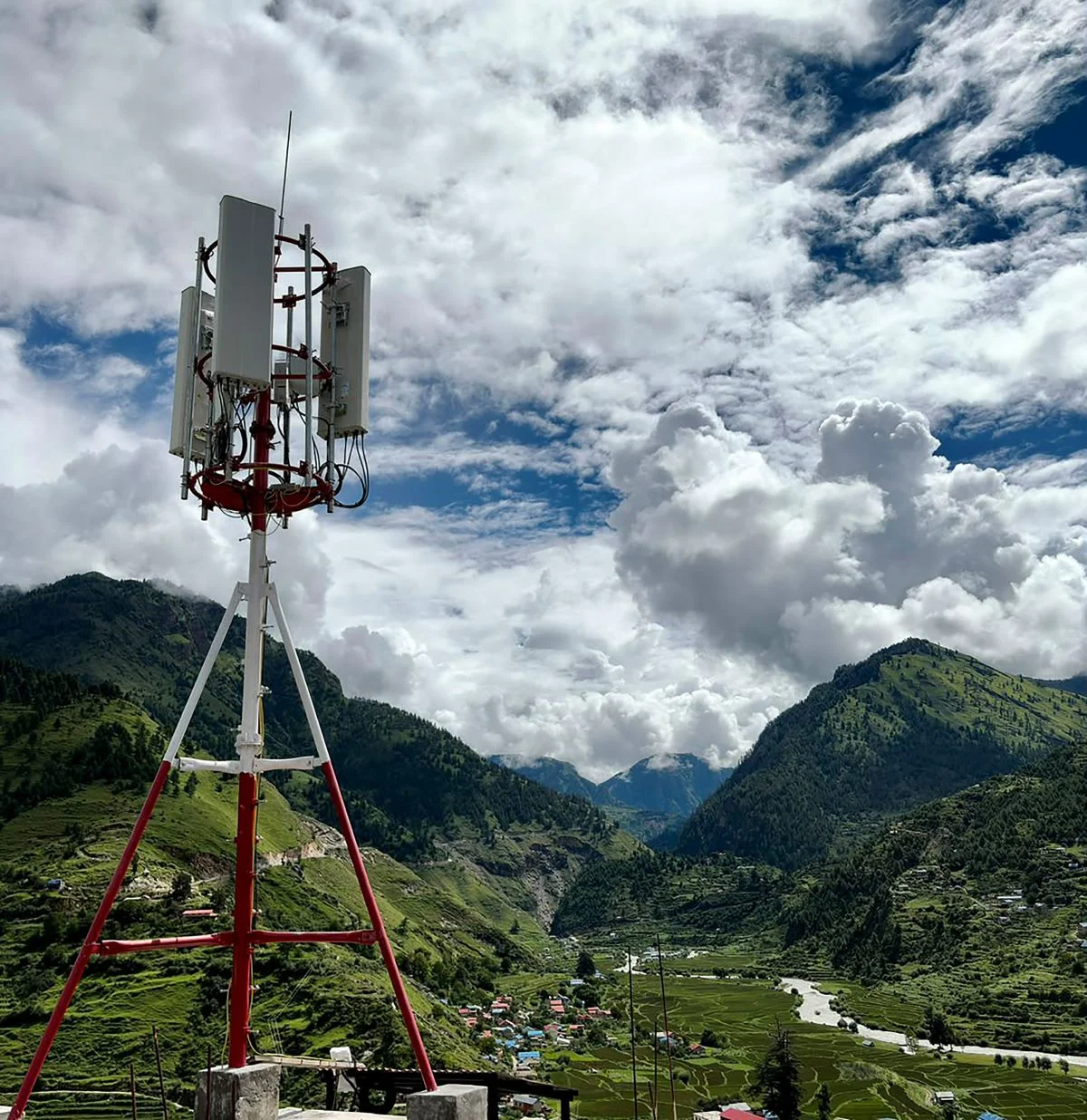
Cell Broadcast allows authorities to send emergency notifications simultaneously to compatible mobile devices connected to selected cellular towers within a defined geographic area.
Unlike conventional SMS, alerts are broadcast to devices rather than individually addressed and delivered to each subscriber.
This architecture makes the technology particularly suitable for large-scale emergencies because authorities can distribute warnings rapidly without generating the same signalling and messaging load associated with sending millions of individual text messages.
Alerts can also be geographically targeted, allowing authorities to warn people within areas directly affected by an incident rather than sending notifications nationwide.
Messages can appear as high-priority notifications accompanied by a distinctive warning signal intended to attract immediate attention.
System could support wildfire and flood warnings
Algeria could use Cell Broadcast across multiple emergency scenarios.
Potential applications include evacuation instructions during wildfires, warnings as fires approach populated areas, flood alerts, shelter instructions and notifications relating to industrial accidents or other major hazards.
Geographic targeting becomes particularly important during fast-moving incidents because the areas requiring evacuation or other protective measures can change as conditions develop.
Authorities can use cellular coverage areas to direct messages towards populations considered at immediate risk.
The technology also provides an additional communications channel when conventional networks are under pressure.
During major emergencies, sudden increases in calls and messaging can congest telecommunications networks. Cell Broadcast operates differently from person-to-person messaging, allowing emergency information to be distributed without depending on individual SMS delivery.
Wildfires increase urgency around emergency communications
The push follows extensive damage caused by recent wildfires, which have increased the government’s focus on communications resilience and emergency-response capabilities.
Telecommunications infrastructure can play two critical roles during such incidents.
Networks must remain operational so emergency services, government agencies and citizens can communicate, while the same infrastructure can also become a mechanism for distributing warnings before conditions deteriorate further.
Deploying Cell Broadcast would strengthen the second capability by allowing authorities to use mobile networks as part of a national public-warning system.
Algeria plans strategic reserve of mobile network equipment
Cell Broadcast is only one component of a wider emergency action plan being developed for Algeria’s telecommunications sector.
Authorities also plan to establish a strategic reserve of mobile stations and technical support equipment.
The reserve is intended to enable operators and response teams to restore or reinforce communications more rapidly when fixed infrastructure is damaged or disrupted during a disaster.
Maintaining access to deployable network equipment can be particularly important when fires, floods or other emergencies damage base stations, transmission infrastructure or power supplies.
Unified system to monitor network damage and restoration
The emergency roadmap also calls for a unified information system capable of monitoring damage to telecommunications infrastructure.
The platform is expected to track the scale of disruption, monitor restoration progress and support coordination of immediate-response operations.
Bringing this information into a common system could provide authorities and operators with greater visibility during emergencies, helping resources and technical teams prioritise locations where connectivity is most urgently required.
The Ministry of Post and Telecommunications is seeking to establish more proactive and unified crisis-management procedures built around preparedness, coordination and rapid intervention.
Telecom resilience becomes part of disaster preparedness
The strategy represents a broader shift from restoring communications after infrastructure has failed towards using telecommunications networks throughout the emergency-management cycle.
That includes maintaining network availability, detecting disruption, coordinating restoration and delivering information directly to affected populations.
Mobile networks are particularly valuable for public warning because phones are already widely carried by citizens and do not require people to actively monitor a separate emergency application or information service.
However, the effectiveness of Cell Broadcast ultimately depends on factors including network implementation, handset compatibility, geographic targeting and clearly defined procedures determining which authorities can issue alerts.
Why this matters
Cell Broadcast could give Algeria a substantially more effective mechanism for reaching large numbers of people during fast-moving emergencies.
Its main advantage over conventional SMS is architectural. Because the same message can be broadcast simultaneously through selected mobile cells, the system is designed for mass communication without requiring millions of separately addressed messages.
That makes it particularly relevant during wildfires, floods and other emergencies where telecommunications networks may already be experiencing unusually high demand.
The wider resilience programme is equally important. Combining public alerts with deployable mobile infrastructure and centralised monitoring could allow Algeria to address both sides of emergency telecommunications: keeping networks operational and using those networks to protect the population.
Editor’s note
The decision to accelerate Cell Broadcast after the latest wildfires highlights an important change in how Algeria is approaching telecommunications resilience. Connectivity during a disaster is not simply a matter of restoring damaged infrastructure after an event. Networks can become part of the emergency-response infrastructure itself.
The critical test will now be implementation. Algeria will need coordination between government agencies and mobile operators, clear alert-authorisation procedures, compatible devices and regular testing to ensure warnings reach the right areas without creating confusion or alert fatigue.
The next milestones to watch are the deployment timetable, operator integration, geographic coverage and whether Algeria introduces national testing and public-awareness procedures. Those elements will determine whether Cell Broadcast develops into a dependable national warning system rather than remaining primarily a technical capability.