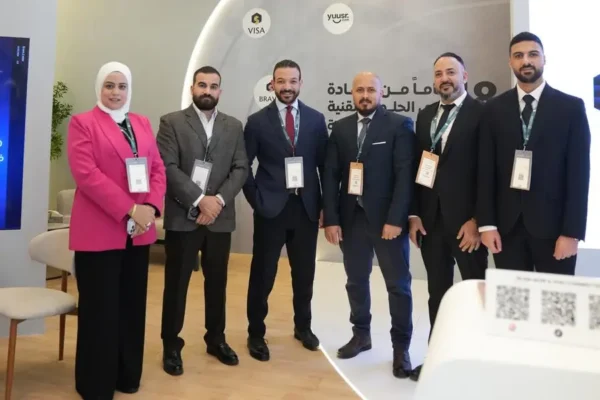
Safa Soft brings AI-driven Umrah booking platform to Madinah forum as sector digitises
Saudi technology company Safa Soft is showcasing YUSUR.COM, an AI-driven Umrah package booking platform, at the Umrah and Ziyarah Forum…

Technology news and insights in the Middle East, South Asia, and Africa
Technology News and insights in the Middle East, South Asia, and Africa
Technology news and insights in the Middle East, South Asia, and Africa
Technology News and insights in the Middle East, South Asia, and Africa










Saudi technology company Safa Soft is showcasing YUSUR.COM, an AI-driven Umrah package booking platform, at the Umrah and Ziyarah Forum…

Nepal’s digital platforms are evolving into integrated ecosystems, combining content, interaction, and payments to meet rising mobile-first user expectations and drive continuous engagement.

Egypt is modernising 30 culture palaces as part of a nationwide initiative to expand cultural access, integrate digital technology with heritage, and strengthen creative engagement across communities.

Morocco signed three agreements to boost digital offshoring through training incentives, Tech Valleys hubs, and high value projects. The sector employs 148,500 people and generates 26.2 billion dirhams in exports. Authorities aim to double jobs and exports by 2030 through higher value digital services.

QIC will appear as a Diamond Sponsor at Web Summit Qatar 2026, unveiling its insurance-powered digital ecosystem through a dedicated pavilion, partnerships, and thought leadership. The showcase highlights QIC’s transformation into a single-platform digital provider aligned with Qatar’s national vision and financial sector strategy.

Bangladesh has launched e-learning in 12 schools across the Chattogram hill districts, with plans to expand to 149 institutions, as Chief Adviser Muhammad Yunus pledged to bridge digital, education, and healthcare gaps in remote communities.

Saudi Arabia has launched a digital system to manage Ramadan iftar at the Grand Mosque and the Prophet’s Mosque. Built with Ehsan and Nusuk, the platform enables online registration, secure payments, and permit issuance, ensuring transparent, efficient, and well-governed meal distribution.

Bangladesh’s internet penetration remains at 53 percent, with sharp gender and rural gaps limiting digital inclusion. An ADB report highlights stalled interoperability, weak digital identity coverage, and fragmented governance, while pointing to mobile finance, health platforms, and rural digital centres as foundations for leapfrogging toward 2030 goals.

Africa’s mobile money and digital economy boom is colliding with an escalating wave of cybercrime. With billions lost annually and attacks targeting banks, telecoms and governments, experts warn fragmented policies and external dependence are leaving the continent exposed. Sustainable growth now hinges on building strong, homegrown cybersecurity capacity.

The two countries discuss their respective digital transformation strategies and goals for tech sector development.