
Yango Tech launches Industrial AI Agents to accelerate UAE’s digital workforce agenda
Yango Tech has launched AI agents that function as digital employees, enabling enterprises and governments to automate operations and scale AI-driven productivity.

Technology news and insights in the Middle East, South Asia, and Africa
Technology News and insights in the Middle East, South Asia, and Africa
Technology news and insights in the Middle East, South Asia, and Africa
Technology News and insights in the Middle East, South Asia, and Africa









Yango Tech has launched AI agents that function as digital employees, enabling enterprises and governments to automate operations and scale AI-driven productivity.

Solutions by STC has secured a $37M contract with Aramco to build high-performance computing infrastructure for advanced oil and gas analytics.

Mindware and SUSE have partnered to drive enterprise open source adoption in MENA, offering scalable, sovereign, and cost-effective infrastructure solutions.

A new Rwanda-based initiative aims to boost Africa’s cyber resilience by training one million professionals and expanding collaboration across the continent.

QBurst has appointed a regional head in Dubai to accelerate its Middle East expansion, aiming to bridge AI adoption gaps and support enterprises with scalable digital transformation solutions.
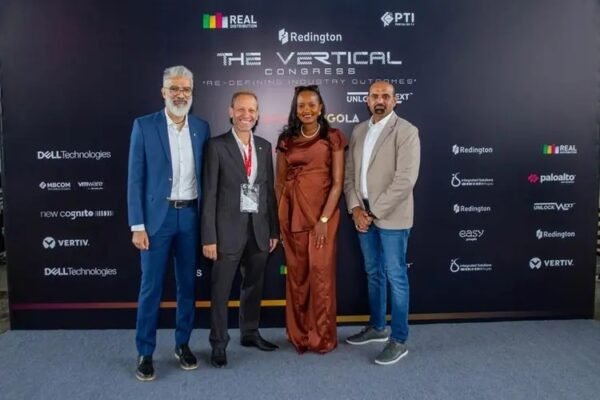
Redington convened public and private sector leaders in Angola to accelerate digital transformation through infrastructure, AI, and cybersecurity initiatives, highlighting the importance of partnerships and ecosystem collaboration across key industries.

Sri Lanka Telecom’s SmartChat Mega 2026 empowers SMEs with AI, cloud, and digital tools, accelerating business transformation and strengthening competitiveness in a rapidly evolving digital landscape.

Morocco’s cybersecurity market is expected to reach $238 million by 2031, driven by the Digital Morocco 2030 strategy, cloud adoption, and growing demand for advanced security solutions.

Jordan launches a €1.83 million EU-backed ReTour initiative to enhance digital readiness and resilience among tourism SMEs across six Mediterranean countries. The 30-month project will introduce AI, blockchain, smart tools, and training to support sustainability and business continuity.
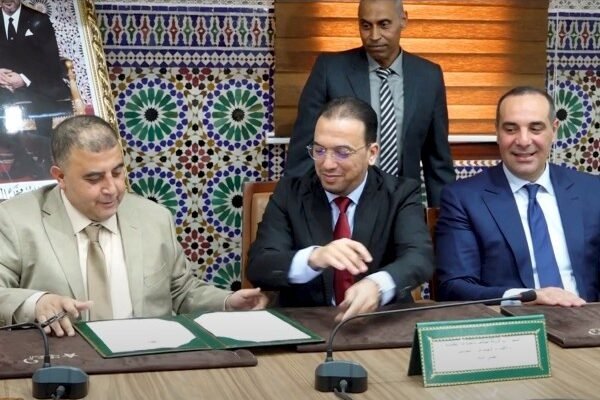
Morocco is investing $3.9 million to digitize its handicrafts sector, introducing an artisan ID card, national registry, and online services. The reform aims to improve efficiency, expand market access, and strengthen competitiveness. The sector employs 22% of the workforce and contributes 7% to national GDP.