







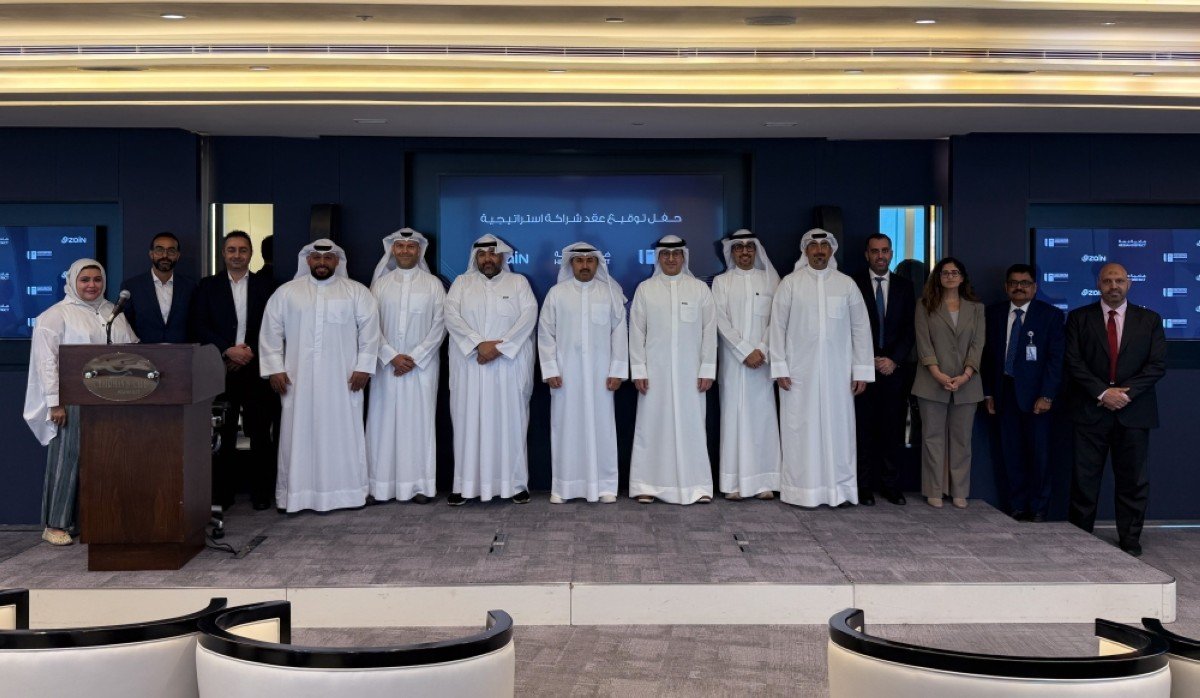
Zain Kuwait and United Real Estate Company (URC) have entered into a strategic partnership aimed at embedding advanced digital infrastructure into urban development projects, reflecting the growing convergence of telecommunications, smart city technologies, and real estate development across the Gulf region.
The collaboration seeks to enhance the digital capabilities of URC’s developments by integrating connectivity solutions and smart infrastructure designed to support modern residential, commercial, and mixed-use environments. The initiative aligns with broader efforts across the region to create digitally enabled urban spaces capable of supporting evolving consumer, business, and government requirements.
As cities become increasingly connected, digital infrastructure is emerging as a critical component of urban planning. High-speed connectivity, smart building technologies, IoT-enabled systems, and intelligent service platforms are becoming essential features of modern developments, helping improve efficiency, sustainability, and user experience.
The partnership reflects a growing recognition that digital infrastructure must be considered alongside traditional utilities such as electricity, water, and transportation. Developers are increasingly incorporating connectivity and technology capabilities at the planning stage to ensure that properties can support future digital services and changing occupancy needs.
For Zain, the agreement represents an opportunity to extend its role beyond conventional telecommunications services and participate more directly in the development of smart urban environments. Telecom operators across the Gulf are increasingly positioning themselves as digital infrastructure partners capable of supporting smart city initiatives, enterprise digitization, and connected communities.
The collaboration is expected to support a range of digital services and technologies that can enhance property management, tenant experiences, operational efficiency, and sustainability outcomes. Modern urban developments are increasingly leveraging digital platforms to enable smart access systems, connected security solutions, energy management, parking services, and integrated customer experiences.
Kuwait’s urban development sector is undergoing significant transformation as developers seek to align projects with broader national objectives related to digitalization, economic diversification, and smart city development. Integrating advanced digital infrastructure into new developments helps create environments capable of supporting future technologies and evolving market demands.
The initiative also reflects wider trends across the Middle East, where governments and private sector organizations are investing in smart infrastructure as part of long-term modernization strategies. Connectivity and data-driven services are becoming central to how cities operate, manage resources, and deliver services to residents and businesses.
As demand for digital services continues to grow, partnerships between telecommunications providers and real estate developers are likely to become increasingly common. Such collaborations help ensure that urban environments are designed to support emerging technologies while creating more connected and efficient communities.
Editor’s Note
This partnership highlights a significant shift in how urban development is being approached across the Gulf region. Digital infrastructure is increasingly being treated as foundational infrastructure rather than an optional enhancement added after construction is completed.
Historically, connectivity was viewed as a service delivered to buildings. Today, it is becoming an integral component of how buildings and communities are designed. The most competitive urban developments are increasingly those that can support seamless connectivity, smart services, and data-driven operations from the outset.
For Kuwait, initiatives such as this support broader ambitions around smart cities and digital transformation. As governments seek to improve urban efficiency, sustainability, and quality of life, the integration of telecommunications infrastructure into development planning becomes increasingly important.
The collaboration also illustrates the expanding role of telecom operators in the digital economy. Companies such as Zain are evolving from network providers into strategic digital infrastructure partners supporting sectors ranging from real estate and transportation to healthcare and industrial operations.
The long-term significance extends beyond individual projects. Smart buildings and connected communities generate valuable data that can improve resource management, enhance operational efficiency, and support more responsive urban services. As artificial intelligence, IoT, and automation technologies become more prevalent, developments with strong digital foundations will be better positioned to leverage these capabilities.
Ultimately, the future of urban development will be shaped not only by physical construction but also by the quality of the digital infrastructure embedded within it. Partnerships between telecom operators and developers are becoming essential to building the connected cities that will underpin future economic growth and digital innovation.