





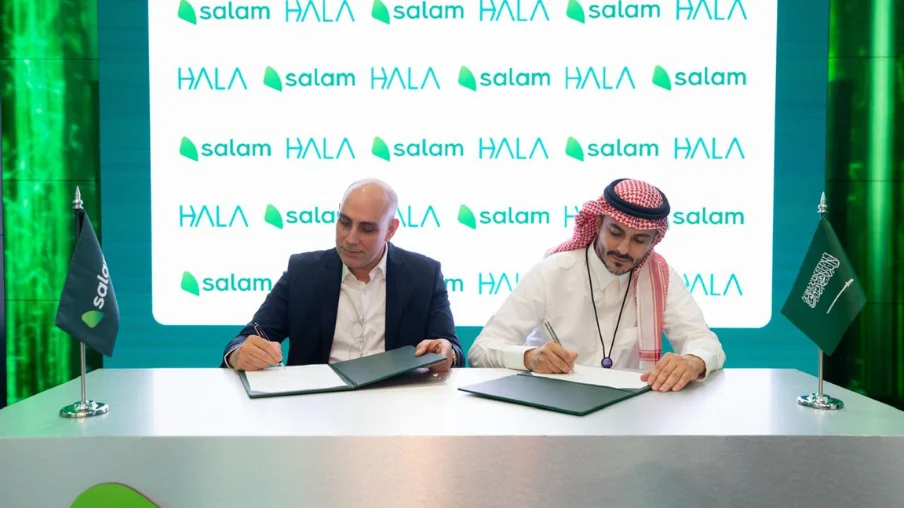
Saudi Arabia’s Etihad Salam Telecom Company has partnered with fintech firm HALA and e-commerce platform Zid to launch SOHO, an integrated digital services ecosystem combining connectivity, payments, financial services and online commerce for freelancers and independent professionals.
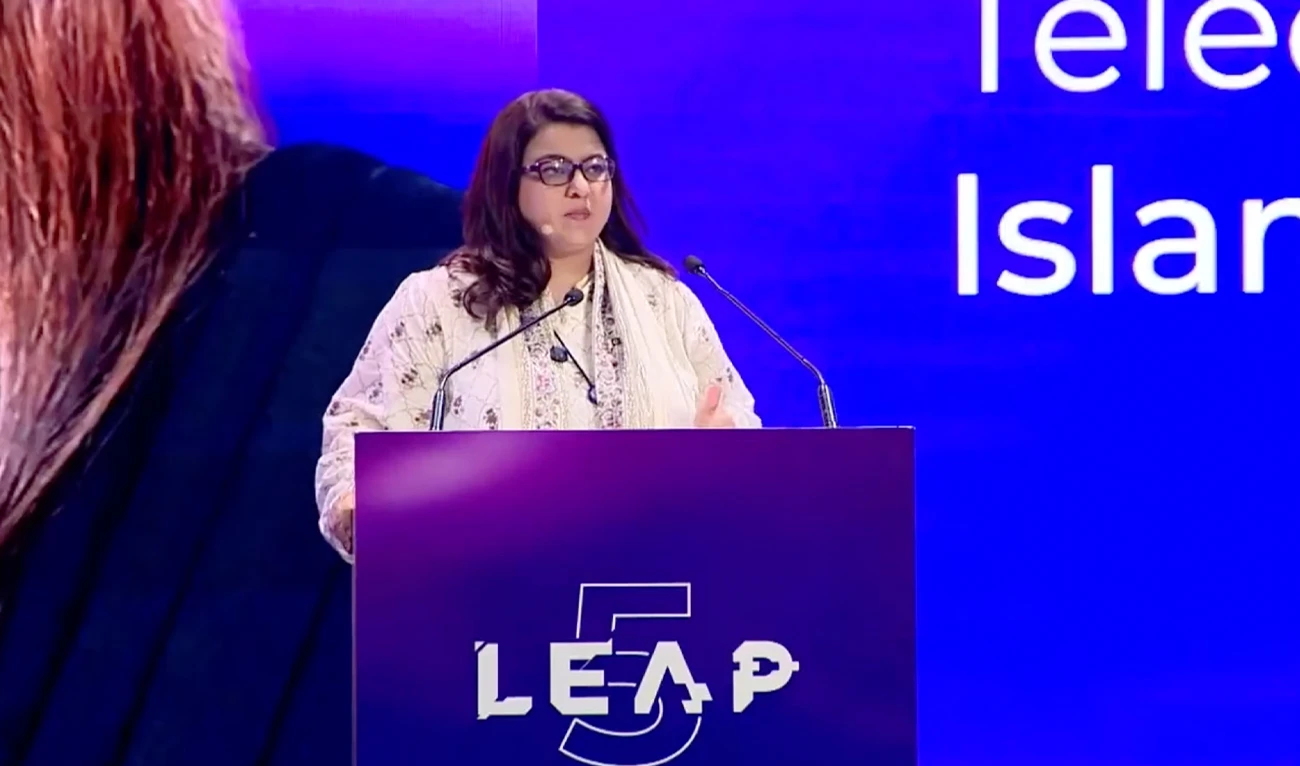
The agreements were announced at LEAP 2026 and represent the first partnerships in a wider ecosystem that Salam plans to expand with additional service providers.
Salam is also collaborating with Future Work, a Saudi company focused on the freelance economy, to support freelancer licence validation and integration with the Kingdom’s flexible work ecosystem.
SOHO targets more than two million registered freelancers
Salam is targeting a segment that has grown significantly as Saudi Arabia expands flexible and independent employment models.
More than two million individuals are registered on official freelance platforms in the Kingdom, according to figures cited by the company.
Salam believes these independent professionals are underserved by existing technology products, which are often designed either for individual consumers or substantially larger businesses.
SOHO is intended to bridge that gap by packaging professional digital infrastructure and business services around the requirements of freelancers and small independent operations.
HALA adds payments and financial services
HALA will provide the financial services component of the ecosystem.
Through the partnership, freelancers will be able to access a dedicated IBAN account and debit cards while accepting payments both online and in person.
The services are intended to give independent professionals better visibility into transactions and provide tools for managing business cash flow.
HALA Payments CEO Yasser Al Mussirii said combining payment capabilities with Salam’s telecom services would create a more connected operating environment for freelancers.
The objective is to allow independent professionals to work, receive payments and manage their businesses through services designed around their operating model.
Zid provides e-commerce capabilities
Zid will add an e-commerce layer to SOHO, allowing freelancers to establish online stores and manage digital sales.
The integration is intended to reduce the technical complexity involved in creating an online commercial presence and provide independent professionals with a simpler route to reaching customers.
Combining Zid with HALA’s financial services and Salam’s connectivity creates a broader proposition spanning the core functions needed to operate a small digital business.
Future Work supports freelancer verification
Future Work will support the ecosystem through Freelance Work Certificate verification.
Its involvement connects SOHO with Saudi Arabia’s wider framework for formalising and supporting freelance work.
The collaboration is intended to create a more unified customer journey in which eligibility verification, connectivity, payments, financial tools and digital commerce can work together rather than requiring freelancers to assemble services independently.
Salam moves beyond standalone telecom products
SOHO also represents a shift in Salam’s enterprise and small-business strategy.
Rather than competing primarily through connectivity or individual digital products, the company is assembling services from specialist partners into an integrated proposition for a specific customer segment.
Salam Chief Commercial Officer Amr El Dessouky said the company sees freelancers as a market that has traditionally fallen between consumer and enterprise offerings.
“The SOHO segment is where much of the Kingdom’s freelance economy is being built, and until now it has been served by tools designed either for large enterprises or for consumers,” El Dessouky said.
He added that HALA and Zid are the first partners in the ecosystem, with additional companies expected to join.
More partners planned for SOHO ecosystem
Salam has not disclosed which additional service categories or partners it plans to add.
The current structure, however, suggests an ecosystem approach in which third-party capabilities can be integrated around the operational needs of independent businesses.
That could potentially allow SOHO to expand as freelancers require more sophisticated tools as their businesses grow.
The company is positioning the proposition around both convenience and value, arguing that an integrated package can provide professional-grade capabilities at a lower overall cost than sourcing multiple services separately.
Why this matters
Saudi Arabia’s freelance economy is creating a distinct digital customer segment with requirements that extend beyond conventional mobile or broadband connectivity.
Independent professionals increasingly need many of the same capabilities as small businesses, including payments, banking tools, e-commerce and reliable digital infrastructure, but without the complexity or cost of enterprise-grade systems.
SOHO gives Salam an opportunity to use connectivity as the foundation for a wider services relationship while HALA and Zid gain access to a growing pool of digitally active independent businesses.
Editor’s note
The strategically interesting part of SOHO is the ecosystem model rather than any individual service.
Telecom operators have long tried to increase their share of small-business spending by adding digital products around connectivity. Salam is taking a more targeted approach by building around the specific operating requirements of Saudi Arabia’s freelance economy and using specialist partners rather than attempting to provide every capability itself.
The next test will be integration. If freelancers can move seamlessly from verification and connectivity to receiving payments and selling online through a genuinely unified experience, SOHO could become more valuable than a conventional bundle of partner discounts. Future partner additions, adoption levels and evidence that users remain within the ecosystem as their businesses grow will indicate whether Salam can turn the model into a scalable digital platform.